Categories
Uncategorised

Hearing Aid Trials: A Comprehensive Success Guide

Last Updated on 24/05/2025 by Admin

Understanding the Crucial Importance of Hearing Aid Trials for Enhanced Auditory Wellbeing

What Are Hearing Aid Trials and Why Are They Essential for Users?

Hearing aid trials provide a pivotal opportunity for individuals experiencing <a href=”https://www.earwaxremoval.net/family-support-in-hearing-loss-a-comprehensive-guide/”>hearing loss</a> to test and assess various devices before committing financially. This trial phase allows users to identify the most effective hearing aids that meet their specific physiological needs while also accommodating their lifestyle preferences. By trying different models in everyday scenarios, users can experience the full spectrum of a hearing aid’s functionalities, including sound clarity, comfort, and usability in various environments. This thorough exploration guarantees that their final selection is informed and personalised.

The significance of hearing aid trials extends beyond simply testing a device; it represents a thorough evaluation aimed at understanding individual auditory requirements. Whether navigating the hustle and bustle of city life or enjoying the serenity of home, a comprehensive trial enables users to assess how well each device operates in diverse sound environments. This critical testing phase builds confidence in users’ decisions, facilitating a smoother integration of hearing aids into their daily lives and significantly improving their overall auditory experiences.

Worldwide, many countries and clinics are adopting hearing aid trial practices, acknowledging that these devices constitute a significant financial investment that should not be made lightly. By allowing users to explore various models, they can make informed decisions based on personal experiences rather than solely on specifications or professional advice, ultimately leading to greater satisfaction with their selections.

How Do Hearing Aid Trials Benefit Users?

Engaging in hearing aid trials offers numerous benefits that can greatly enhance the user experience. A primary advantage is the opportunity to evaluate comfort levels. As hearing aids are worn throughout the day, their fit can heavily influence users’ perception of sound and overall satisfaction. Testing various devices allows users to discover which styles and designs provide optimal comfort, thereby reducing the likelihood of returns due to discomfort or fitting issues.

Sound quality is a vital consideration for individuals with hearing impairments. During trial periods, users can engage in conversations, listen to music, and assess diverse auditory environments to evaluate the clarity and richness of sound. This hands-on testing empowers users to choose hearing aids that effectively address their unique auditory needs, ensuring they invest in devices that enhance their listening experiences rather than lead to frustration.

Another significant benefit of these trials is the chance for users to assess their overall satisfaction with the devices. This trial period fosters a sense of ownership and confidence, as users actively participate in the selection process. With the right hearing aid, individuals can reclaim their auditory experiences, leading to improved social interactions, increased engagement in activities, and ultimately, a richer quality of life.

What Are the Key Processes Involved in Hearing Aid Trials?

Understanding the mechanics of hearing aid trials is essential for prospective users. Typically, the process begins with a professional consultation where audiologists assess the user’s distinct needs, preferences, and lifestyle factors. Following this evaluation, users are provided with hearing aids that align with their requirements, often for a designated trial period, allowing for comprehensive assessment and adjustments.

During the trial, users are encouraged to wear the hearing aids in various settings, including social gatherings, quiet reading sessions, or outdoor activities. Testing the devices in diverse environments is crucial, as it allows users to evaluate performance under real-world conditions where factors such as background noise and distance can significantly impact sound quality and clarity.

User feedback plays a vital role in the trial experience. Users are often invited to share their insights, covering aspects ranging from sound clarity to comfort levels. Audiologists utilise this feedback to implement necessary adjustments, optimising the hearing aids for the user’s specific needs. This collaborative approach not only enhances user satisfaction but also strengthens the relationship between audiologists and users, improving outcomes in hearing care.

Enhancing User Experience Through Personalised Hearing Aid Trials

How Can Hearing Aids Be Tailored to Meet Individual Needs?

One of the most significant benefits of participating in hearing aid trials is the ability to customise devices based on personal preferences. Every individual’s experience with hearing loss is unique, influenced by factors such as age, environmental exposure, and personal tastes. Hearing aid trials empower users to work closely with audiologists to adjust their devices according to specific auditory needs, ensuring a tailored approach to hearing health.

Customisation can encompass fine-tuning settings for various environments—whether enhancing speech recognition in crowded places or minimising background noise during quieter activities. Users can request modifications based on their experiences, transforming the process of finding the ideal hearing aid into a bespoke experience. For example, if a user finds certain frequencies hard to hear, adjustments can be made to amplify those sounds without compromising overall sound quality, significantly enhancing the user’s experience.

This individualised approach not only improves immediate comfort but also fosters greater long-term satisfaction. When users feel empowered and confident with a device that caters to their unique hearing profiles, they are more likely to integrate it smoothly into their lives, thus enhancing their overall auditory experiences and quality of life.

Assessing Performance in Everyday Situations

Real-world evaluation of hearing aids during trial periods is a fundamental aspect that cannot be overstated. Users gain the chance to gauge how well their devices perform in authentic situations, which can vary significantly from one environment to another. For example, while a hearing aid may perform excellently in a quiet room, it may struggle in a busy café filled with chatter and background noise.

By using the devices in daily scenarios, users can identify both strengths and weaknesses in performance. They can observe how effectively the hearing aids facilitate conversations, enhance music enjoyment, or alert them to alarms and notifications. This level of practical evaluation empowers users to determine how technology can genuinely improve their daily interactions, making the trial period invaluable for informed decision-making regarding their hearing solutions.

Real-world testing instills confidence in users as they learn to navigate various auditory landscapes. They can experiment with settings and adjustments, becoming adept at managing their hearing aids to suit different situations. This hands-on experience is crucial—users leave the trial not just with a device, but also with the skills and knowledge required to utilise it effectively, ensuring they are well-equipped to thrive in diverse auditory environments.

Why Is User Feedback and Adjustment Critical in Trials?

Feedback is the cornerstone of the hearing aid trial process, serving as an essential communication channel between users and audiologists. As users interact with their hearing aids, they gather insights that inform necessary adjustments. Open conversations about their experiences can highlight various issues, from discomfort to sound quality concerns, providing audiologists with a clear understanding of what changes are needed.

This iterative process is vital, as hearing aids are not a one-size-fits-all solution. Continuous feedback enables audiologists to implement precise adjustments, tailoring the devices to meet user expectations. This process may involve fine-tuning amplification settings, modifying frequency responses, or even exploring different styles and models to find the best fit.

The trial period encourages users to take an active role in their auditory health. By articulating their needs and preferences, they transition from being passive recipients of technology to active participants in the decision-making process. This empowerment significantly enhances the likelihood of satisfaction with their final choice, leading to a more fulfilling auditory experience and better overall outcomes.

What Support Services Are Available During Hearing Aid Trials?

The support provided during the trial period is crucial in ensuring that users feel at ease and confident with their hearing aids. Audiologists and associated support staff offer personalised services that assist users in navigating various challenges, from technical issues to the adjustment phase of using new devices.

Dedicated support serves as a safety net for users, alleviating concerns and addressing common questions that arise during trials. Whether a user feels overwhelmed by the device’s features or is struggling to adjust to new sounds, professional guidance can significantly enhance their experience. This tailored support not only builds trust but also creates a more fulfilling journey for users as they become comfortable with managing their auditory health.

This personalised service can educate users on the importance of regular maintenance and care for their hearing aids. Audiologists can provide essential tips for cleaning, storing, and troubleshooting devices, ensuring that users maintain optimal functionality and longevity. This proactive approach to support boosts user confidence, allowing them to navigate their auditory journeys with assurance.

How Do Hearing Aid Trials Foster Continuous Improvement?

The concept of continuous improvement during hearing aid trials highlights the dynamic nature of auditory technology. As hearing aids evolve, users can benefit from ongoing trials that expose them to the latest developments and enhancements in hearing solutions. This is particularly relevant in a fast-paced technological landscape, where innovations continually optimise user experiences.

Trial periods create unique opportunities for users to experience these advancements firsthand. For instance, as new features become available—such as improved noise-cancellation capabilities or seamless integration with smart devices—users can evaluate them in real-world scenarios. This exposure enriches their auditory experience and ensures they remain informed about the latest advancements in hearing technologies.

Ongoing trials enable audiologists to gather valuable data and feedback, which can inform future product development. The insights obtained from users can assist manufacturers in refining their offerings, creating devices that align more closely with user needs. This cycle of feedback and improvement fosters a collaborative ecosystem where users, professionals, and manufacturers work together to continually enhance hearing solutions.

Exploring Cutting-Edge Innovations in Hearing Aids

What Are the Latest Technological Advancements in Hearing Aids?

The realm of hearing aids is in a constant state of flux, with technological advancements transforming the field. Hearing aid trials serve as an excellent gateway for users to access the latest innovations, allowing them to experience state-of-the-art features designed to enhance sound quality and user comfort.

For example, many modern hearing aids utilise artificial intelligence that adapts to the user’s environment, automatically adjusting settings for optimal sound clarity. During a trial, users can observe how these intelligent features respond in various situations, significantly enhancing their overall auditory experiences. This integration of advanced technology ensures that devices are not only functional but also intuitive, catering to real-time auditory needs.

Innovations such as rechargeable batteries and Bluetooth connectivity mark significant advancements in hearing aid design. Users can explore the convenience of wireless connectivity, enabling them to stream audio directly from their smartphones or other devices. This added functionality enriches the user experience, making it easier for individuals to stay connected with their surroundings without compromising sound quality.

By exploring these latest technologies during trials, users are empowered to make informed decisions about their hearing aids. By experiencing the full range of capabilities available, they can select devices that best align with their lifestyles, ensuring they are well-prepared to navigate their auditory environments effectively.

How Can Users Compare Different Hearing Aid Models for Informed Decisions?

One of the most significant benefits of hearing aid trials is the opportunity to compare different models directly. Users can assess multiple devices side by side, evaluating critical factors such as sound quality, comfort, and available features. This comparative analysis is essential for making educated decisions in a marketplace filled with numerous options.

As users test various models, they can identify which designs best suit their unique auditory profiles. For instance, some may prioritise discreetness and opt for smaller in-canal models, while others may prefer behind-the-ear styles that offer additional power and features. A trial period allows individuals to experience each option firsthand, determining which aligns with their aesthetic preferences and auditory needs.

Comparing models enables users to evaluate emerging technologies and their functionalities. For example, one model may excel in noise cancellation, while another may provide superior connectivity with smart devices. By weighing the advantages and disadvantages of each option, users can make decisions that balance technology, comfort, and individual preferences, ultimately leading to greater satisfaction.

This comparative aspect of trials not only supports the decision-making process but also fosters a sense of empowerment. Users emerge from the experience feeling informed, confident, and ready to embrace their new auditory solutions, significantly enhancing their overall quality of life.

How Can Hearing Aids Be Future-Proofed?

Investing in hearing aids is a significant decision, and ensuring that these solutions are future-proof is a critical consideration. Trials assist users in selecting devices that can adapt to future technological advancements. The rapid pace of innovation in the hearing aid market means that users seek assurance that their investment will continue to meet their needs as technology evolves.

During trial periods, users can explore features that emphasise longevity and adaptability, such as software updates and compatibility with emerging technologies. For instance, hearing aids with Bluetooth capabilities can seamlessly connect to new devices, ensuring ongoing access to the latest audio experiences and enhancements in hearing technology.

Trials can help users identify models designed with upgradability in mind. Many manufacturers offer devices that can be customised or enhanced over time, allowing users to evolve their hearing solutions alongside advancements in the field. This foresight ensures that individuals will not encounter the disappointment of obsolescence shortly after their purchase.

Ultimately, the capability to future-proof hearing solutions fosters peace of mind. Users can invest in devices that not only fulfil their current needs but also accommodate their evolving auditory landscape, ensuring continued satisfaction and effective hearing support over time.

What Are the Benefits of Integrating Hearing Aids with Smart Devices?

The integration of hearing aids with smart devices represents an exciting frontier in auditory technology. Trials provide users the opportunity to explore how these innovative features can enhance their everyday experiences. By testing hearing aids that seamlessly connect with smartphones, tablets, and other smart devices, users can enjoy a more connected and enriched lifestyle.

For example, many contemporary hearing aids enable users to stream music, phone calls, and other audio directly from their devices. During a trial, users can assess how well these features perform in real-world scenarios, evaluating sound quality and user-friendliness. This connectivity not only enhances the auditory experience but also encourages active participation in social situations, allowing users to engage fully without missing critical auditory information.

Smart device integration often allows for remote adjustments and personalised settings. Audiologists can modify hearing aid configurations remotely based on user feedback, ensuring optimal performance without the need for an office visit. This convenience is particularly valuable for individuals facing mobility challenges or those residing in remote areas.

The chance to explore these integrations during trials empowers users to witness firsthand how technology can enrich their daily lives. This exploration facilitates a smoother transition to hearing aids, as users acclimatise to the advanced functionalities that significantly enhance their auditory experiences.

Financial Considerations Surrounding Hearing Aid Trials

How Can Users Evaluate the Cost-Effectiveness of Hearing Aid Trials?

The financial implications of purchasing hearing aids can be daunting, making the cost-effectiveness of trials an essential factor to consider. By allowing users to test devices before making a commitment, trials help prevent costly mistakes and ensure that individuals select the appropriate hearing aid right from the outset.

Understanding personal preferences and auditory requirements is essential for making informed choices. When users engage in trials, they significantly reduce the risk of investing in a device that does not meet their expectations or necessitates re-purchasing. This proactive approach can lead to substantial long-term savings, as users avoid unnecessary costs associated with returns or replacements.

Trials enable users to evaluate the value of different models. This assessment empowers individuals to weigh the benefits of various features against their price points, allowing them to make informed decisions that align with their budgets. They can determine whether opting for a premium model is justified or if a more economical alternative would suffice for their hearing needs.

Trial periods frequently come with flexible financing options that can further ease financial pressures. Audiologists or institutions may offer payment plans, making it more accessible for users to acquire hearing aids without incurring substantial upfront costs. This accessibility fosters a sense of empowerment, ensuring that users can make choices based on their needs rather than their financial limitations.

How Can Users Navigate Insurance Coverage for Hearing Aid Trials?

Understanding insurance coverage for hearing aids can be complex, but it is essential to explore options related to trial periods. Some insurance plans include provisions that cover trial periods, making hearing aids more accessible to users. This coverage can significantly alleviate the financial burden associated with acquiring hearing solutions, empowering individuals to engage in trials without the fear of incurring exorbitant costs.

When users have insurance that supports trial periods, they can experiment with multiple devices with reduced financial risk. This support makes it easier to prioritise personal auditory health without worrying about the potential costs of multiple purchases. It fosters a more positive experience, allowing users to concentrate on finding the right solution for their needs.

Understanding insurance coverage empowers users to ask informed questions during consultations with audiologists. They can inquire about specific plans, available coverage options, and any potential out-of-pocket expenses tied to trials. This proactive approach ensures that users navigate their options effectively, maximising the benefits of their insurance plans while securing the support they need.

By leveraging insurance benefits and exploring trial opportunities, individuals can enhance their accessibility to hearing aids, ensuring they receive the necessary support without facing overwhelming financial strain.

What Are the Long-Term Financial Benefits of Making Smart Choices?

Selecting the right hearing aid through a trial can lead to significant long-term financial savings. By engaging in trials, users are less likely to make impulsive decisions that could result in repeated purchases or upgrades. By carefully evaluating their options and choosing devices that meet their auditory needs, individuals can avoid the financial pitfalls associated with ineffective choices.

The right hearing aid contributes to improved auditory health, which can positively impact users’ quality of life. With enhanced hearing capabilities, individuals are more likely to remain active, socially engaged, and participate in activities they enjoy. This engagement can lead to reduced healthcare costs related to isolation, depression, and other health issues linked to untreated hearing loss.

Long-term savings can also be realised through reduced maintenance and replacement expenses. Users who select durable, high-quality devices during their trials are less likely to incur additional costs for repairs or replacements. By investing in reliable hearing aids, they ensure a longer lifespan for their devices, maximising their initial investment and contributing to greater financial stability over time.

Ultimately, the economic advantages of hearing aid trials extend well beyond immediate costs. By making informed choices, users can secure long-term savings while simultaneously enhancing their quality of life and auditory experiences.

How Can Users Explore Financial Assistance Programs for Hearing Aids?

Financial assistance programmes play a crucial role in improving access to hearing aids for eligible users. Numerous organisations and nonprofits offer subsidies or financial aid to individuals who may struggle with the upfront costs associated with acquiring hearing solutions. These programmes help bridge the gap for those who might otherwise forego necessary auditory support due to financial constraints.

Users can investigate various financial assistance options available in their regions, which may include local foundations, government programmes, or charitable organisations dedicated to hearing health. Many communities worldwide are increasingly recognising the importance of auditory health, leading to the establishment of initiatives aimed at providing support for individuals in need.

Trial periods can complement these financial assistance programmes, allowing users to engage with hearing aids without immediate financial commitment. When assistance is provided alongside the opportunity to test devices, individuals can make informed decisions about which models to pursue further, ensuring they select options that not only meet their needs but also align with their financial situations.

This holistic approach to funding ensures that more individuals can access essential hearing aids, thereby enhancing their auditory health and overall quality of life. Financial programmes combined with trial opportunities empower users to navigate their choices effectively, providing pathways for support that can lead to more equitable access to hearing health resources.

Exploring the Psychological and Social Benefits of Hearing Aid Trials

How Do Hearing Aid Trials Boost User Confidence?

Participating in hearing aid trials can significantly enhance users’ confidence in their auditory capabilities. For many individuals, the initial step toward seeking auditory support can feel daunting, often accompanied by feelings of vulnerability and uncertainty. Engaging in a trial not only normalises the experience but also empowers users to take charge of their auditory health and reclaim their confidence.

When users find the right hearing aids, they frequently experience a transformative boost in self-esteem. The ability to engage in conversations without straining to hear or feeling isolated due to hearing loss can greatly enhance users’ self-assurance in social settings. This newfound confidence encourages individuals to actively participate in family gatherings, community events, and other social interactions without the fear of missing vital auditory cues or feeling excluded.

The act of wearing hearing aids during trials can help users acclimatise to the devices, reinforcing their confidence. As they learn to navigate various environments with their new aids, they develop a sense of mastery over their hearing challenges. This empowerment leads to a more positive self-image and a willingness to engage with others, fostering connections that enhance their overall quality of life.

Ultimately, the confidence gained from successful trials can have a ripple effect, influencing various aspects of users’ lives, including personal relationships, professional pursuits, and leisure activities. This psychological impact highlights the transformative potential of hearing aids, reinforcing their importance in enhancing user experiences and overall wellbeing.

How Are Hearing Aid Trials Challenging the Stigma of Hearing Loss?

Hearing loss often carries a stigma that discourages individuals from seeking the support they need. Hearing aid trials play a pivotal role in reducing this stigma by creating an environment where wearing hearing aids is normalised and accepted. By participating in trials, users can become more comfortable with their devices, fostering a sense of pride in addressing their auditory health.

The visibility of hearing aids during trials can help challenge misconceptions and societal attitudes regarding hearing loss. As more individuals openly embrace wearing hearing aids, it becomes easier for others to recognise that seeking support is a proactive step towards improving their quality of life. This shift in perception can significantly diminish the stigma associated with hearing aids, cultivating a more inclusive environment for those with auditory impairments.

The encouragement and support from audiologists and professionals during the trial period can reinforce the message that hearing aids are tools for empowerment rather than symbols of weakness. Users can receive validation and encouragement as they navigate their auditory health journeys, fostering a positive association with their devices. This supportive atmosphere encourages users to embrace their hearing aids and share their experiences with others, promoting open discussions about hearing loss and its implications.

Reducing the stigma surrounding hearing aids benefits not only individuals but also contributes to greater awareness and understanding in society. As more people become educated about hearing loss and the importance of auditory health, the narrative surrounding hearing aids continues to evolve, fostering acceptance and support for those in need of assistance.

How Do Hearing Aids Enhance Overall Quality of Life?

The ultimate aim of hearing aids is to enhance users’ overall quality of life, and trials are vital in ensuring that individuals find the right solutions for their auditory needs. When users engage in trials, they are empowered to select devices that genuinely align with their requirements, resulting in improved listening experiences and deeper connections with their surroundings.

Effective hearing aids can significantly enhance social interactions, allowing users to engage fully in conversations and maintain meaningful relationships with family and friends. Improved sound quality leads to more fulfilling interactions, reducing feelings of isolation and loneliness that can accompany hearing loss. By choosing the right devices through trials, users can positively influence their emotional wellbeing and cultivate a more active lifestyle.

The psychological impacts of successfully using hearing aids extend beyond social interactions. Users often report heightened satisfaction in both personal and professional spheres, as they can participate more fully in various activities. Whether enjoying music, attending events, or engaging in hobbies, effective hearing aids can enrich overall experiences, leading to holistic improvements in users’ quality of life.

The long-term benefits of improved auditory health are significant. Individuals who navigate their hearing challenges successfully through trials are likely to experience increased confidence, diminished social stigma, and better overall health outcomes. This interconnected web of benefits highlights the profound impact that hearing aids can have on users’ lives, emphasising the critical significance of engaging in trials to discover the most suitable solutions.

What Role Do Audiologists Play in Hearing Aid Trials?

The Essential Contribution of Audiologists to the Trial Process

Audiologists are instrumental in guiding users through the hearing aid trial process, ensuring optimal results and overall satisfaction. Their expertise is crucial in assessing individual needs, interpreting hearing tests, and recommending appropriate devices. This professional support is especially important for new users who are navigating the complexities of hearing aids for the first time.

During initial consultations, audiologists gather comprehensive information about users’ hearing profiles, preferences, and lifestyles. This detailed understanding enables them to tailor recommendations effectively. By presenting a range of options that align with user needs, audiologists help alleviate the overwhelming nature of the decision-making process and facilitate informed choices.

Audiologists possess extensive knowledge regarding the latest technological advancements in hearing aids. They can educate users about available features, benefits, and potential drawbacks of different models, empowering individuals to make well-informed decisions. This personalised guidance cultivates trust and confidence, making it easier for users to embrace their auditory health journeys.

Throughout the trial process, audiologists remain accessible for support, troubleshooting, and adjustments. Their ongoing involvement ensures that users feel empowered to provide feedback and address any concerns as they engage with their devices. This collaborative relationship enhances the likelihood of success in finding the most appropriate hearing aids, ultimately leading to improved user satisfaction and outcomes.

Why Is Continuous Support Vital During Hearing Aid Trials?

Ongoing support during hearing aid trials is essential for maximising the benefits of user experiences. Audiologists and support staff provide continual guidance and reassurance, ensuring that individuals feel equipped to navigate any challenges they encounter while utilising their devices. This support is particularly valuable, as users may experience an adjustment period while learning to adapt to their new hearing aids.

Regular follow-ups throughout the trial phase allow audiologists to gather feedback and implement necessary adjustments. Users can communicate their experiences, discussing aspects such as comfort, sound quality, and functionality. This iterative process empowers audiologists to fine-tune settings based on individual preferences, ensuring that users find the optimal configuration for their hearing needs.

Continual support fosters a sense of community and connection among users. They are encouraged to ask questions, voice concerns, and celebrate successes. This open dialogue boosts confidence and reinforces the importance of proactive engagement in auditory health. Users who feel supported throughout their trial periods are more likely to embrace their hearing aids, promoting long-term satisfaction and successful outcomes.

Ongoing support encourages users to develop a deeper understanding of their hearing aids. As they learn to adjust settings, manage features, and troubleshoot issues, they become empowered to take charge of their auditory health. This proactive approach fosters a sense of ownership, ensuring that users feel confident in their ability to navigate their hearing experiences effectively.

What Does Post-Trial Support Entail for Lasting Success?

Post-trial assistance is a crucial component of the hearing aid experience, ensuring that users continue to receive optimal care after their trial periods conclude. Audiologists remain available to provide ongoing support, addressing any questions or concerns users may have regarding their devices. This continued relationship fosters a sense of trust and reassurance, reinforcing users’ commitment to their auditory health.

Following the trial, audiologists often conduct follow-up appointments to assess users’ experiences with their selected hearing aids. This feedback loop is vital for ensuring that devices continue to meet users’ evolving needs. If adjustments are required, audiologists can recommend fine-tuning settings or exploring alternative models that may offer enhanced performance.

Post-trial assistance can encompass educational resources that help users maximise the potential of their hearing aids. Audiologists can provide guidance on maintenance, cleaning, and troubleshooting, equipping users with the knowledge to care for their devices effectively. This support is critical for ensuring that hearing aids remain functional and deliver optimal performance over time.

Users can benefit from continuous access to audiologists for consultations and evaluations. This open line of communication fosters a proactive approach to auditory health, ensuring that users feel empowered to seek assistance whenever necessary. post-trial support contributes to long-term user satisfaction and success, underscoring the importance of comprehensive care throughout the auditory health journey.

Why Is Accessing Expert Advice Important for Optimal Hearing Solutions?

Users seeking hearing aids should recognise the significance of having access to expert advice throughout their journeys. Audiologists serve as invaluable resources, offering insights and guidance that can greatly enhance the hearing aid experience. Their expertise enables users to navigate the complexities of hearing loss and make informed decisions about their auditory health.

Consulting with audiologists is particularly important during the trial process, as they can address specific concerns and provide tailored recommendations. Users can inquire about device features, integration with technology, and optimal use in various environments. This level of access to expert advice empowers users to feel confident in their choices while enhancing their understanding of their hearing aids.

Ongoing communication with audiologists allows users to stay informed about technological advancements and innovations in the field. As new features and models emerge, audiologists can provide insights into how these developments may benefit users. This proactive approach ensures that individuals remain equipped with the latest information, fostering a sense of empowerment in their auditory health journeys.

In essence, access to expert advice is a cornerstone of the hearing aid experience. Users who engage with audiologists throughout their trials and beyond can maximise the benefits of their devices, leading to improved outcomes and a greater overall quality of life. This collaborative relationship between users and professionals highlights the importance of comprehensive care in navigating the complexities of hearing health.

Common Questions Regarding Hearing Aid Trials

What is a hearing aid trial?

A hearing aid trial is an opportunity for users to test various hearing aids before making a purchase, ensuring they choose the most suitable option for their individual auditory needs.

How long do hearing aid trials typically last?

Hearing aid trials usually last from a few days to several weeks, depending on the provider and the specific needs of the user.

Can insurance cover hearing aid trials?

Some insurance plans do provide coverage for hearing aid trials, making it more accessible for users to explore their options without incurring significant out-of-pocket expenses.

What should I expect during a hearing aid trial?

During a trial, you will wear the hearing aids in various environments to assess comfort and sound quality, while receiving support and making adjustments as necessary.

Are different types of hearing aids available for trials?

Yes, multiple types of hearing aids, including in-the-ear and behind-the-ear models, are typically available for trial, enabling users to compare options based on their individual preferences.

Can I request changes to the hearing aids during the trial?

Absolutely! Users are encouraged to provide feedback and request adjustments to optimise their hearing aids for comfort and performance throughout the trial period.

What if I find that I don’t like any of the hearing aids I try?

If none of the hearing aids meet your needs, audiologists can assist in exploring additional options or models that may be a better fit for you.

How can I determine which hearing aid is best suited for me?

The most suitable hearing aid for you will depend on your individual hearing profile, lifestyle, and preferences, all of which can be assessed during the trial process.

Is ongoing support available after the trial period ends?

Yes, audiologists typically offer ongoing support and follow-up consultations after the trial period to ensure your hearing aids continue to meet your specific needs.

Why are hearing aid trials considered important?

Hearing aid trials are crucial as they allow users to experience devices firsthand, ensuring they make informed decisions that enhance comfort and satisfaction with their chosen hearing aids.

Explore our journey on X!

The post Hearing Aid Trials: Your Essential Guide for Success appeared first on The Microsuction Ear Wax Removal Network.

Originally posted 2025-05-25 03:19:09.

The post Hearing Aid Trials: A Comprehensive Success Guide appeared first on Healthcare Marketing Service.

Categories
Uncategorised

Hearing Aids: Understanding Their Function and Advantages

A Detailed Guide to Different Types of Hearing Aids

Explore the Advantages of Behind-the-Ear (BTE) Hearing Aids

Behind-the-ear (BTE) hearing aids are versatile devices that sit comfortably behind the ear. They connect to a custom-fitted earpiece using a slim tube, making them suitable for various degrees of <a href=”https://www.earwaxremoval.net/family-support-in-hearing-loss-a-comprehensive-guide/”>hearing loss</a>, from mild to profound. A key advantage of BTE hearing aids is their strong amplification power, significantly improving sound clarity and volume. This feature is particularly beneficial for those who find it difficult to hear in noisy environments. BTE models are designed for ease of use, making them a popular choice among seniors and those who might struggle with more complex devices.

Many BTE hearing aids come with state-of-the-art features such as Bluetooth connectivity, enabling users to stream audio directly from smartphones, televisions, and other devices. This functionality is especially useful for those who enjoy multimedia entertainment but have trouble hearing through standard speakers. the larger design of BTE hearing aids usually allows for a longer battery life compared to smaller models, ensuring users have reliable functionality throughout their day.

Beyond technological advancements, BTE hearing aids offer extensive customisation options. Users can choose from a wide array of colours and styles, enabling them to express their personal style while benefiting from improved hearing capabilities. BTE hearing aids not only serve a practical purpose but also empower users to maintain their individuality.

Enjoy the Subtlety of In-the-Ear (ITE) Hearing Aids

In-the-ear (ITE) hearing aids are expertly designed to fit snugly within the outer ear, providing a discreet solution for those experiencing varying degrees of hearing loss, from mild to severe. Each device is custom-made to match the unique shape of the wearer’s ear, ensuring comfort and aesthetic appeal. This embedded design facilitates ease of use while reducing the visibility of the hearing aid, making it an excellent choice for individuals who prioritise discretion without compromising functionality.

Modern ITE hearing aids are equipped with cutting-edge technologies that significantly enhance sound quality. Many contemporary models feature noise reduction technology, which effectively filters out unwanted background noise, thereby improving speech clarity in bustling or noisy settings. This capability is particularly advantageous in social situations, where users rely on clear communication without distractions. ITE models often include directional microphones, enabling users to pinpoint the source of sounds, further enriching their listening experience and making conversations more engaging.

Another considerable benefit of ITE hearing aids is their intuitive controls, which can be easily adjusted by the user. Some models offer programmable settings, allowing users to fine-tune their hearing experience based on specific environments, such as quiet rooms or lively restaurants. This level of customisation ensures that wearers enjoy an enhanced auditory experience that aligns with their individual lifestyles and preferences.

Discover the Benefits of Completely-in-Canal (CIC) Hearing Aids

Completely-in-canal (CIC) hearing aids are celebrated for their nearly invisible design, as they fit deeply within the ear canal. This discreet placement makes them an attractive choice for individuals who value aesthetics while still requiring considerable auditory support. CIC devices cater to those with mild to moderate hearing loss, and their custom fit ensures comfort and stability during daily activities, allowing users to navigate their lives with confidence.

Despite their compact size, CIC hearing aids do not compromise on functionality. Many of these devices are equipped with advanced features, including digital signal processing and feedback cancellation, which provide users with clear sound while minimising unwanted whistling noises. CIC hearing aids benefit from their proximity to the eardrum, enhancing sound quality and delivering a more natural listening experience, making day-to-day interactions more enjoyable.

Potential users should be aware that CIC hearing aids have certain limitations. Their small design may restrict some features available in larger models, such as Bluetooth connectivity or extended battery life. it is vital for users to evaluate their specific requirements and preferences when selecting a hearing aid style. Consulting with a qualified hearing specialist can help determine whether a CIC model aligns with their individual hearing needs.

Examine the Versatility of Receiver-in-Canal (RIC) Hearing Aids

Examine the Versatility of Receiver-in-Canal (RIC) Hearing Aids Receiver-in-canal (RIC) hearing aids represent a harmonious blend of the advantages offered by both BTE and ITE models. They feature a compact behind-the-ear component linked to a receiver that sits within the ear canal. This design fosters a discreet appearance while delivering exceptional sound quality and amplification capabilities. RIC hearing aids are suitable for a broad spectrum of hearing loss levels, making them a flexible option for a diverse group of users seeking effective auditory solutions.

Receiver-in-canal (RIC) hearing aids combine the benefits of both BTE and ITE models. They consist of a compact behind-the-ear component connected to a receiver that resides within the ear canal. This design promotes a discreet appearance while delivering exceptional sound quality and amplification capabilities. RIC hearing aids are suitable for a wide range of hearing loss levels, making them a versatile option for users seeking effective auditory solutions.

One of the standout features of RIC hearing aids is their superior sound quality. The receiver positioned within the ear canal captures sound more naturally, enhancing the overall listening experience. many RIC models incorporate advanced technologies, such as automatic sound adjustment systems that tailor the hearing aid’s performance to surrounding noise levels. This functionality ensures users enjoy an optimal auditory experience, whether they are at home, in a busy café, or attending a lively concert.

RIC hearing aids also embrace modern connectivity options. Numerous models support Bluetooth technology, allowing users to stream audio directly from compatible devices. This feature meets the growing demand for seamless integration with smartphones, tablets, and televisions. the open-ear design of RIC aids often creates a more natural sound environment, enabling users to engage in conversations without feeling isolated or disconnected from their surroundings.

Key Components of Hearing Aids Demystified

The Vital Role of Microphones in Hearing Aids

The microphone serves as a fundamental component of hearing aids, acting as the primary interface between the user and their auditory surroundings. It captures sound waves from the environment and converts them into electrical signals for further processing. The quality and strategic placement of microphones significantly influence the device’s performance, as they must accurately detect a wide array of sounds, from soft whispers to loud noises.

Most modern hearing aids feature multiple microphones to enhance sound capture capabilities. Directional microphones, in particular, are invaluable as they focus on sounds coming from in front of the user while minimising background noise from other directions. This design proves especially beneficial in challenging listening environments, such as crowded restaurants or busy streets, where users need to concentrate on conversations without distraction.

The integration of advanced technologies has led to the development of adaptive microphones capable of adjusting their sensitivity based on the user’s environment. For instance, in quieter settings, the microphones may pick up softer sounds, while in louder scenarios, they may prioritise speech, ensuring that users experience optimal sound quality regardless of their surroundings. These innovations empower users to navigate diverse auditory landscapes, greatly enhancing their overall listening experience.

The Crucial Function of Amplifiers in Hearing Aids

The Crucial Function of Amplifiers in Hearing Aids The amplifier serves a crucial role in hearing aids by boosting the strength of electrical signals generated by the microphone. This amplification process is vital as it transforms the captured sounds into clear audio that users can hear. The effectiveness of the amplifier directly impacts the quality of sound reproduction, making it an essential component for individuals with hearing loss seeking clarity and understanding in their auditory experiences.

The amplifier plays a crucial role in hearing aids by boosting the strength of electrical signals generated by the microphone. This amplification process is vital as it transforms the captured sounds into clear audio that users can hear. The effectiveness of the amplifier directly impacts the quality of sound reproduction, making it an essential component for individuals with hearing loss seeking clarity and understanding in their auditory experiences.

Modern hearing aids utilise sophisticated amplification technologies that allow for customisable settings tailored to individual preferences and needs. Users can adjust amplification levels according to their specific hearing loss patterns, ensuring they receive the appropriate amount of sound enhancement. This level of personalisation is key to ensuring that users feel comfortable and confident while engaging with their auditory environment, enhancing their overall quality of life.

Advancements in digital signal processing have significantly improved amplifier functionality. Many devices now feature automatic gain control, which adjusts amplification based on surrounding sound levels. This means users can enjoy a consistent auditory experience, whether they are in a quiet room or a bustling outdoor setting, resulting in improved clarity and comfort that allows them to participate in conversations and social interactions with greater ease.

Understanding the Function of Speakers in Hearing Aids

The speaker, often referred to as the receiver in hearing aids, is responsible for converting the amplified electrical signals back into sound waves that users can hear. This component is integral to the overall performance of hearing aids, as it determines the quality and clarity of the sound output. The positioning and type of speaker can significantly affect the listening experience, making it a crucial part of the device’s design and functionality.

Advanced hearing aids typically feature speakers designed to produce high-fidelity sound. These speakers are engineered to minimise distortion, ensuring users receive a natural and accurate representation of the sounds in their surroundings. The quality of the speaker directly influences how users perceive speech and other vital sounds, making it essential for effective communication and overall auditory satisfaction.

Many modern hearing aids incorporate multiple speakers to optimise sound delivery. This multi-speaker system enhances sound separation and clarity, particularly in challenging listening situations. Utilising innovative technologies such as feedback cancellation systems further improves speaker performance, ensuring users enjoy a pleasant auditory experience without the discomfort of whistling or distortion, allowing for more natural and enjoyable conversations.

Understanding How Hearing Aids Function: A Comprehensive Analysis

The Mechanism of Sound Processing in Hearing Aids

Sound processing is a fundamental aspect of how hearing aids function, transforming incoming sounds into clear auditory signals. The primary aim of sound processing is to enhance speech intelligibility while effectively reducing background noise. This capability is particularly crucial for individuals with hearing loss, as they may struggle to distinguish speech in noisy environments, making it challenging to engage in conversations.

Modern hearing aids utilise sophisticated sound processing algorithms that analyse incoming sounds in real-time. These algorithms identify various sound patterns, allowing the device to prioritise speech frequencies while filtering out less relevant noises. For example, in a bustling café, the hearing aid can focus on the voice of a conversation partner while minimising the clatter of dishes and background chatter, thereby providing users with a significantly improved listening experience.

Advanced sound processing capabilities enable hearing aids to adapt seamlessly to different acoustic environments. Many devices come equipped with automatic settings that adjust sound processing based on the user’s surroundings. This means that whether the user is at home, in a meeting, or attending a concert, the hearing aid can optimise its performance for the best auditory experience. Such versatility is essential for fostering effective communication and social engagement among users with hearing loss, enriching their interactions with the world around them.

Investigating Digital Signal Processing (DSP) in Hearing Aids

Digital signal processing (DSP) technology has revolutionised the functionality of hearing aids, enabling them to analyse and modify sound signals in real-time. DSP allows hearing aids to perform complex calculations swiftly, enhancing sound quality and user experience. This technology is particularly valuable for individuals with hearing loss, as it effectively addresses various auditory challenges.

One of the primary advantages of DSP is its capacity to create customised sound profiles based on individual hearing needs. Through thorough audiological assessments, audiologists can programme hearing aids to match the user’s unique hearing loss characteristics, ensuring that the amplification provided is tailored specifically to their requirements. This level of personalisation significantly enhances speech clarity and overall auditory comfort, allowing users to engage more fully with their environments.

DSP technology facilitates advanced features such as noise reduction and feedback cancellation. Noise reduction algorithms can effectively minimise background sounds, enabling users to focus on speech and other important auditory signals. Meanwhile, feedback cancellation systems work to eliminate the annoying whistling sounds that can occur when sound escapes the ear canal and re-enters the microphone. By addressing these common auditory issues, DSP enhances the overall performance of hearing aids, making them more user-friendly and effective.

The Significance of Feedback Cancellation in Hearing Aids

Feedback cancellation is a vital aspect of hearing aid technology that enhances the user experience by preventing unwanted whistling or feedback sounds. This phenomenon occurs when sound escapes the ear canal and is picked up again by the microphone, creating a feedback loop that results in a high-pitched noise. Such feedback can be distracting and uncomfortable for users, making effective feedback cancellation essential for a pleasant auditory experience.

Modern hearing aids utilise sophisticated digital feedback cancellation algorithms that detect and neutralise these feedback loops in real-time. By continuously monitoring sound levels, the hearing aid can identify potential feedback occurrences and adjust its settings accordingly. This proactive approach ensures that users enjoy a seamless auditory experience without the annoyance of whistling sounds, enhancing their overall listening comfort.

The effectiveness of feedback cancellation can significantly impact the user’s comfort and confidence. By minimising the likelihood of these disruptive noises, users can engage more freely in conversations and social situations, thereby enhancing their overall quality of life. the integration of feedback cancellation technology allows for greater flexibility in fitting styles, as users can feel assured wearing hearing aids without the fear of feedback issues affecting their auditory experience.

The Functionality of Directional Microphones in Hearing Aids

Directional microphones are a key feature in many modern hearing aids, designed to enhance the user’s ability to hear speech in noisy settings. Unlike omnidirectional microphones, which capture sound from all angles, directional microphones focus on sounds coming from a specific direction, typically from the front. This design is particularly beneficial for individuals who frequently find themselves in crowded or noisy environments, such as restaurants, social events, or public transport.

By prioritising sounds from the front, directional microphones significantly improve speech intelligibility, allowing users to engage more effectively in conversations. This feature is especially important for individuals with hearing loss, who may struggle to discern speech amidst background noise. The ability to focus on speech amidst surrounding sounds can greatly improve the quality of social interactions and overall communication.

To enhancing speech recognition, directional microphones can be adjusted based on the user’s environment. Many hearing aids featuring this capability allow users to switch between directional and omnidirectional modes, providing flexibility for varying listening situations. For instance, users may prefer omnidirectional mode in quiet settings where background noise is minimal, while switching to directional mode in louder environments for improved clarity. This adaptability ensures that users can enjoy an optimal listening experience tailored to their specific needs and preferences.

The Importance of Automatic Gain Control in Hearing Aids

Automatic gain control (AGC) is a crucial feature in hearing aids that automatically adjusts the volume based on surrounding sound levels. This technology ensures that users receive an appropriate level of amplification, regardless of their environment. For individuals with hearing loss, this adaptability is essential for maintaining auditory comfort and clarity across various listening situations.

When users enter a noisy environment, AGC technology automatically increases amplification to help them hear important sounds and speech. Conversely, in quieter settings, the hearing aid reduces amplification to prevent overwhelming the user with excessive sound. This dynamic adjustment enhances overall listening comfort and ensures that users can engage effectively in conversations without straining to hear what others are saying.

AGC technology plays an integral role in preserving the longevity of hearing aids. By preventing sudden spikes in volume that can lead to discomfort, AGC minimises the likelihood of feedback and distortion, contributing to a more enjoyable auditory experience. This feature is particularly beneficial for users who frequently transition between different environments, such as moving from a quiet home setting to a bustling public space, ensuring seamless auditory adaptation.

The Multifaceted Benefits of Using Hearing Aids

Enhancing Communication for Meaningful Connections

Utilising hearing aids significantly enhances communication abilities, allowing users to engage more fully in conversations. For individuals with hearing loss, effective communication is often hindered by the inability to hear speech clearly, leading to misunderstandings and feelings of isolation. Hearing aids bridge this communication gap by amplifying sound and improving speech intelligibility, fostering meaningful interactions across various social contexts.

The social implications of enhanced communication are profound. Individuals who wear hearing aids frequently report stronger relationships with family, friends, and colleagues. By actively participating in conversations without the constant strain of trying to hear, users can enjoy richer social experiences that contribute to their emotional well-being. This improved ability to connect with others directly correlates with reduced feelings of loneliness and isolation, which often accompany hearing loss.

Improved communication extends beyond personal interactions. Many users find that their professional lives also benefit from the clarity and confidence that hearing aids provide. Whether in meetings, collaborating with team members, or engaging with clients, the ability to hear clearly enhances performance and productivity in various work settings. the benefits of improved communication powered by hearing aids extend across personal and professional dimensions, enriching users’ lives in multifaceted ways.

Enhancing Personal Safety Through Better Auditory Awareness

The impact of hearing aids on personal safety is substantial. By improving the ability to hear warning signals, alarms, and other important sounds, hearing aids significantly enhance overall awareness and safety in daily life. For individuals with hearing loss, the inability to hear these critical sounds can pose serious risks, particularly in emergency situations where timely responses are essential.

Many users report feeling more secure when wearing hearing aids, as they can better detect sounds like car horns, sirens, or smoke alarms. This heightened awareness enables them to respond promptly to potential dangers, effectively reducing the likelihood of accidents or injuries. Whether navigating busy streets, crossing intersections, or simply being aware of one’s surroundings at home, hearing aids play a vital role in facilitating a safer living environment for users.

The benefits of enhanced safety extend to caregivers and family members of individuals with hearing loss. Knowing that their loved ones can hear essential sounds fosters peace of mind, allowing for a more relaxed and supportive living environment. This sense of security empowers users to engage in daily activities with greater confidence, ultimately contributing to a higher quality of life.

Boosting Confidence Through Enhanced Hearing

Wearing hearing aids often leads to a significant boost in confidence for individuals with hearing loss. The ability to hear clearly enhances self-esteem, allowing users to engage more fully in conversations and social settings. This newfound confidence can transform how individuals interact with others, leading to more fulfilling personal and professional relationships that enrich their lives.

Many users share inspiring stories of how hearing aids have helped them reclaim their social lives. With improved communication abilities, they feel more comfortable participating in group discussions, attending events, and reconnecting with friends and family. This revitalisation of social engagement acts as a catalyst for broader changes in life, encouraging users to pursue new interests and activities they may have previously avoided due to hearing challenges.

Increased confidence positively impacts mental health. Users who feel more connected to their surroundings and relationships report lower levels of anxiety and depression associated with hearing loss. The empowerment that comes from effectively communicating with others fosters a sense of belonging and acceptance that is crucial for overall well-being and happiness.

Supporting Cognitive Health Through Improved Hearing

Research has established a strong connection between hearing loss and cognitive decline, indicating that untreated hearing loss can contribute to conditions such as dementia. Hearing aids play a pivotal role in maintaining cognitive health by reducing the cognitive load required to process sounds. When individuals can hear clearly, they expend less mental effort struggling to understand speech and other auditory signals, allowing them to fully engage in interactions and experiences.

By alleviating this cognitive burden, hearing aids may help preserve cognitive function over time. Users often find they can engage in conversations and activities without experiencing mental fatigue, promoting a healthier mental state. the social engagement facilitated by hearing aids can further stimulate cognitive activity, reinforcing neural connections and supporting overall brain health, thus creating a positive feedback loop for cognitive wellness.

Wearing hearing aids can help stave off feelings of isolation that may lead to depression and cognitive decline. By maintaining social connections and actively participating in conversations, users keep their minds active and engaged. This holistic approach to hearing health not only improves auditory experiences but also contributes to a more vibrant and fulfilling life for those with hearing loss.

Adjusting to Life with Hearing Aids

Managing Initial Discomfort with Hearing Aids

For many new users, the experience of wearing hearing aids can come with a degree of initial discomfort. This may manifest as a sensation of fullness in the ear or slight pressure as the device is fitted. Such discomfort is a common part of the adjustment process and typically subsides over time as users become accustomed to the feeling of wearing hearing aids daily.

Recognising that initial discomfort is a normal part of the experience can help users remain patient during the adaptation period. Many audiologists recommend gradually increasing the number of hours spent wearing hearing aids to allow the user’s ears and brain to adjust to the amplified sounds. By starting with shorter periods and progressively extending wear time, users can ease into the experience and reduce the likelihood of overwhelming discomfort.

It’s also essential for new users to communicate openly with their audiologists about their experiences with discomfort. Audiologists can make necessary adjustments to the hearing aids to improve fit and comfort, ensuring that users can enjoy the benefits of their devices without unnecessary discomfort. This collaborative approach fosters a positive experience and encourages users to embrace their hearing aids as valuable tools for enhancing their quality of life.

Understanding the Adaptation Period for Hearing Aids

The adaptation period is a critical phase for individuals adjusting to hearing aids, involving both physical acclimatisation and cognitive adjustments. It typically takes time for the brain to process amplified sounds accurately, especially for those who have experienced hearing loss for an extended period. During this time, users may need to exercise patience and commitment to fully reap the benefits of their devices.

As users begin to hear sounds they may have long forgotten—such as the rustling of leaves, the chirping of birds, or the subtlety of conversations—they may initially feel overwhelmed. This heightened awareness is a positive indicator that the hearing aids are functioning effectively and signifies the start of a new auditory journey. Users should embrace this phase as an opportunity to rediscover the richness of their environment and the sounds that surround them.

Engaging in regular practice and gradually exposing oneself to different listening environments can aid in the adaptation process. Users might benefit from participating in group conversations, attending events, or simply enjoying quiet time in nature. The more they interact with varying soundscapes, the more comfortable they will become with their hearing aids, ultimately leading to a more fulfilling auditory experience that enhances their daily lives.

The Value of Professional Support in Adjusting to Hearing Aids

Ongoing support from audiologists is invaluable for individuals adjusting to hearing aids. Audiologists play a pivotal role in ensuring that hearing aids meet the user’s needs and preferences, providing professional guidance throughout the process. Regular check-ups allow for adjustments and fine-tuning of the hearing aids, enhancing the overall user experience.

During follow-up appointments, audiologists can assess the user’s experience, address any concerns, and make necessary modifications. This may include adjusting amplification settings or fine-tuning specific features to ensure optimal performance tailored to the user’s lifestyle. Users should feel empowered to communicate openly with their audiologists, sharing feedback about their experiences and any challenges they encounter along the way.

Audiologists can provide education and resources to help users navigate common issues associated with hearing aids, such as maintenance and care. By fostering a collaborative relationship, users can feel confident that they have the support they need to maximise the benefits of their hearing aids, ultimately enhancing their quality of life and auditory experiences.

Critical Maintenance and Care for Hearing Aids

Implementing a Daily Cleaning Regimen for Hearing Aids

Regular cleaning of hearing aids is essential for maintaining optimal performance and ensuring longevity. Over time, earwax, moisture, and debris can accumulate on the devices, potentially affecting sound quality and functionality. Users should establish a daily cleaning regimen to keep their hearing aids in top condition, ensuring that they continue to deliver clear sound.

Daily cleaning should involve gently wiping down the exterior of the hearing aids with a soft, dry cloth to remove any surface dirt or moisture. Special attention should be paid to the microphone and speaker openings, as these areas can be particularly susceptible to blockage. Many manufacturers provide specific cleaning tools designed to assist in maintaining hearing aids, making the process straightforward and highly effective for users.

To daily cleaning, users should schedule regular professional servicing to ensure their hearing aids receive comprehensive care. Audiologists can conduct thorough inspections, identify potential issues, and perform necessary repairs or adjustments. This proactive approach to maintenance helps extend the lifespan of hearing aids and ensures that users enjoy consistent, high-quality auditory experiences that enhance their daily lives.

Efficient Battery Management for Hearing Aids

Proper battery management is crucial for the uninterrupted use of hearing aids. Many models utilise disposable batteries, while others are rechargeable, each requiring specific care to ensure optimal performance. Users should be aware of their hearing aid’s battery type and implement best practices for effective battery management.

For disposable batteries, it’s essential to monitor battery life and replace them promptly to avoid unexpected outages. Users are advised to keep spare batteries on hand, especially when travelling or in situations where access to replacements may be limited. Storing batteries in a cool, dry place can also help extend their lifespan, ensuring that users can consistently rely on their hearing aids throughout the day.

Rechargeable hearing aids offer the convenience of eliminating the need for frequent battery replacements. Users should ensure they charge their devices fully each night and follow the manufacturer’s guidelines for battery care and longevity. Regularly cleaning the charging ports and ensuring that connections are secure can help prevent charging issues, ensuring that hearing aids are ready for use whenever needed.

The Significance of Professional Servicing for Hearing Aids

Regular professional servicing is key to ensuring the longevity and effectiveness of hearing aids. Audiologists play a vital role in maintaining the performance of these devices, conducting comprehensive check-ups that address potential issues before they escalate. Users should schedule regular appointments to ensure that their hearing aids continue to function optimally and meet their auditory needs.

During servicing appointments, audiologists can perform thorough inspections to identify any signs of wear or damage. This proactive approach allows for timely repairs and adjustments, ensuring that users benefit from the latest technologies and features available in hearing aids. By maintaining an ongoing relationship with their audiologists, users can stay informed about advancements in hearing aid technology and make necessary updates as needed.

Professional servicing extends beyond technical adjustments. Audiologists can provide valuable insights into the user’s experience, offering personalised recommendations for optimising hearing aids based on specific lifestyle needs. This collaborative approach ensures that users receive comprehensive support for their auditory health and well-being, leading to a more fulfilling life enhanced by effective hearing.

Safeguarding Hearing Aids from Moisture Damage

Protecting hearing aids from moisture is essential for preventing damage and ensuring functionality. Excessive moisture can affect the internal components of hearing aids, leading to malfunctions or reduced performance. Users should implement strategies to safeguard their devices from moisture exposure, particularly in humid environments or during physical activities that may cause sweating.

One effective method of moisture protection is to store hearing aids in a dehumidifying container or drying kit overnight. These products are designed to absorb excess moisture, keeping hearing aids dry and functioning optimally. users can consider using moisture-proof covers or protective sleeves when wearing their devices in damp conditions, providing an added layer of protection against moisture-related issues.

It’s also important for users to avoid wearing hearing aids while swimming or engaging in activities that may expose them to excessive moisture. By taking proactive measures to protect hearing aids from moisture, users can extend their lifespan and maintain the quality of their auditory experiences, ensuring that their hearing aids remain reliable and effective.

Best Practices for Handling and Storing Hearing Aids

Proper handling and storage of hearing aids when not in use are essential for preventing physical damage and prolonging their lifespan. Users should develop a routine for safely storing their devices, ensuring they are protected from potential hazards such as pets, children, or accidental drops that can cause damage.

When not wearing hearing aids, users should store them in a designated case or container to prevent dust accumulation and physical damage. The storage location should be cool and dry, away from direct sunlight or excessive heat, which can adversely affect the performance of the devices. Following these best practices helps ensure that hearing aids remain in excellent condition for reliable use.

Users should handle hearing aids with care, avoiding unnecessary pressure or twisting when inserting or removing them. Taking time to learn the correct techniques for handling hearing aids can prevent physical damage and ensure a comfortable fit. By prioritising proper handling and storage, users can enjoy the longevity and effectiveness of their hearing aids, enhancing their overall auditory experience.

Common Questions About Hearing Aids

What are hearing aids?

Hearing aids are electronic devices specifically designed to amplify sound for individuals with hearing loss. They consist of several components, including a microphone, amplifier, and speaker, working together to effectively enhance the user’s ability to hear and comprehend sounds in their environment.

How do hearing aids work?

Hearing aids function by capturing sound through a microphone, converting it into electrical signals, amplifying those signals, and then delivering the amplified sound through a speaker into the ear canal. This intricate process allows users to hear sounds more clearly and engage more fully in conversations.

What types of hearing aids are available on the market?

There are various types of hearing aids, including behind-the-ear (BTE), in-the-ear (ITE), completely-in-canal (CIC), and receiver-in-canal (RIC) models. Each type offers unique features and benefits tailored to the wearer’s specific needs and preferences.

How do I choose the most suitable hearing aid for my needs?

Choosing the right hearing aid involves considering factors such as the degree of hearing loss, lifestyle, and personal preferences. It’s essential to consult with a qualified audiologist who can provide guidance and recommend the best options based on individual requirements and auditory needs.

What is the typical lifespan of hearing aids?

The lifespan of hearing aids can vary based on factors such as usage, care, and technological advancements. Generally, hearing aids last between three to seven years. Regular maintenance and professional servicing can extend their longevity, ensuring they continue to provide optimal performance.

Can I wear hearing aids while exercising or engaging in physical activities?

Yes, many hearing aids are designed to be worn during physical activities; however, it’s crucial to protect them from moisture. Users should consider using moisture-resistant covers or storing them in a secure place during excessive sweating or swimming to maintain their functionality.

What are the best practices for maintaining my hearing aids?

Maintaining hearing aids involves regular cleaning, effective battery management, professional servicing, moisture protection, and careful handling and storage when not in use. Following these practices can significantly enhance performance and the overall longevity of the devices.

Will hearing aids provide relief from tinnitus symptoms?

While hearing aids are primarily designed to amplify sound, many users report experiencing relief from tinnitus symptoms. By enhancing external sounds, hearing aids can help mask the internal sounds associated with tinnitus, providing a more comfortable listening experience for users.

Do I need a prescription to obtain hearing aids?

Yes, a prescription from an audiologist or hearing care professional is typically required to obtain hearing aids. An assessment of hearing loss is necessary to determine the appropriate type and settings for the devices, ensuring they meet the user’s specific needs.

Are hearing aids covered by insurance plans?

Coverage for hearing aids varies widely among insurance plans. Some plans may cover part or all of the costs associated with hearing aids, while others may not provide any coverage. It’s essential to check with the insurance provider for specific details regarding coverage and financial support.

Join us on our journey on X!

The post Hearing Aids Explained: How They Work and Their Benefits appeared first on The Microsuction Ear Wax Removal Network.

Originally posted 2025-05-25 03:19:08.

The post Hearing Aids: Understanding Their Function and Advantages appeared first on Healthcare Marketing Service.

Categories
Uncategorised

Hearing Aids Storage: Key Tips for Longevity

Last Updated on 22/05/2025 by Admin

Establish an Ideal Storage Environment for Your Hearing Aids

To maximise the lifespan and performance of your hearing aids, creating an ideal storage environment is vital. Knowing the best practices for storing hearing aids involves regulating several factors, including temperature, humidity, and exposure to detrimental elements that may compromise their functionality over time. By ensuring a proper storage environment, you can significantly prolong the durability of your hearing aids and guarantee optimal performance for years ahead.

What Temperature Should You Maintain for Storing Hearing Aids?

Maintaining a consistent, moderate temperature is crucial for protecting the delicate components of hearing aids. Extreme temperatures, whether excessively high or low, can inflict irreversible damage on these devices. Storing hearing aids in areas prone to temperature fluctuations, such as near radiators, windows, or other heat sources, can negatively impact their electronic components and battery longevity. The recommended temperature range for storing hearing aids is between 40°F and 85°F (4°C to 29°C), which helps ensure they remain reliable and functional.

Consideration of seasonal changes is also essential, especially for those living in climates with extreme variations. During colder months, it may be necessary to find a stable indoor location that mimics a more temperate environment. This is particularly important for individuals residing in areas with dramatic temperature shifts, such as polar or desert climates, as these fluctuations can significantly affect device performance.

Grasping the scientific principles behind temperature control reinforces its importance. For instance, excessive heat can distort the plastic casing of hearing aids, while extreme cold may adversely affect battery efficiency. maintaining a stable environment is essential for preserving both the physical integrity and operational efficacy of these vital devices.

How to Manage Humidity Levels to Safeguard Hearing Aids

Humidity poses a subtle yet serious threat to hearing aids, as moisture is a leading cause of device malfunctions. To prevent moisture-related issues such as corrosion or mould, storing hearing aids in a dry environment is crucial. Elevated humidity levels, common in tropical regions or during rainy seasons, can lead to moisture accumulation inside the devices, posing a significant risk to their functionality.

Using silica gel packets or electronic dehumidifiers in storage areas can effectively manage humidity levels, as these tools absorb excess moisture and create a protective barrier against the harmful effects of humid air. When travelling or facing unpredictable weather, consider using portable dehumidifying cases to ensure your hearing aids remain protected and operational.

Educating users about the impact of humidity on hearing aids can greatly enhance maintenance practices. For example, individuals residing in coastal areas with high humidity should prioritise the use of desiccants and routinely inspect their devices for signs of moisture damage, ensuring their hearing aids function optimally.

How Can You Reduce Light Exposure to Prolong Hearing Aid Lifespan?

Direct sunlight and ultraviolet (UV) light can degrade hearing aid components, particularly affecting the casing and electronic circuits. Minimising exposure to these harmful elements can significantly extend the life of your devices. Always store hearing aids in a protective case that shields them from sunlight, keeping them away from direct light sources to avert damage.

The choice of storage location is equally important. Avoid placing hearing aids on a bedside table facing a window; instead, opt for a closet or drawer where light cannot penetrate. Users in sunny regions, such as parts of Australia or the Mediterranean, should be particularly cautious about light exposure, as it can lead to premature deterioration of the devices.

Understanding the mechanisms behind light damage highlights the need for protective measures. UV light can break down materials used in hearing aids, resulting in potential failures over time. ensuring a dark and dry storage environment is a critical strategy for maintaining these essential devices effectively.

How to Ensure Clean Air Quality for Optimal Hearing Aid Function?

A clean, modern hearing aid storage case on a white shelf with cleaning supplies, ensuring a dust-free environment.

A clean storage environment is paramount for maintaining the performance and longevity of hearing aids. Dust, lint, and other debris can accumulate over time, interfering with the delicate components of these devices. it is essential to keep hearing aids in a clean, contamination-free area to prevent such buildup from hindering their efficiency.

Regularly cleaning the storage area can help prevent the accumulation of particles that may compromise hearing aid performance. Users should make it a habit to routinely wipe down shelves or compartments where the devices are stored, ensuring no contaminants can infiltrate and damage the equipment.

Utilising specialised storage containers can help mitigate exposure to air pollutants. In densely populated urban areas where air quality may be compromised, the impact on hearing aids can be considerable. Users should consider investing in air-purifying systems or using sealed containers to further protect their devices from environmental pollutants.

Why Invest in Specialized Storage Containers for Hearing Aids?

Using designated cases or containers is one of the most effective strategies for protecting hearing aids from physical damage and environmental factors. Investing in high-quality storage solutions that offer both protection and convenience is essential for implementing best practices for hearing aid storage.

Specialised cases designed specifically for hearing aids not only provide a safe haven but often include features such as moisture-absorbing materials and cushioning to prevent impact damage. Portable options can be particularly beneficial for individuals on the go, ensuring hearing aids remain secure, whether at home or while travelling.

Understanding the diverse range of storage options available can enhance user experience. For example, users might consider hard-shell cases for travel and softer, flexible cases for everyday use. The choice of materials and design significantly impacts how well hearing aids are stored, underscoring the importance of selecting the right container for specific situations.

Adopt Daily Storage Practices for Your Hearing Aids

Establishing consistent daily storage practices not only preserves the functionality of hearing aids but also enhances their overall lifespan. Effective battery management and regular cleaning routines are essential for ensuring optimal performance and longevity of the devices.

Why Remove Batteries to Prevent Corrosion?

Taking batteries out of hearing aids during storage is a crucial step in preventing corrosion. Over time, batteries can leak, causing significant damage to the internal components of the devices. Users should develop a routine of removing batteries each night or whenever they anticipate not using their hearing aids for extended periods, safeguarding the devices from potential harm.

It is also essential to consider the type of batteries used. While rechargeable batteries offer convenience, they can still contribute to corrosion if left in the device for too long when not in use. Regularly inspecting the battery compartment for any signs of leakage or corrosion is equally important, as early intervention can prevent further damage and ensure the devices remain functional.

Educating users on proper battery care can significantly enhance maintenance practices. For instance, users should be informed about the life expectancy of different types of batteries, as this knowledge aids in making informed decisions about when to remove or replace batteries. Understanding the relationship between battery management and device maintenance can help users significantly improve the longevity of their hearing aids.

How to Establish a Cleaning Routine Before Storage?

Daily cleaning of hearing aids is crucial to remove earwax and debris before storage. Over time, buildup can adversely affect sound quality and overall device performance. A straightforward cleaning routine may involve using a soft, dry cloth or specialised cleaning tools designed for hearing aids to ensure they remain in optimal condition.

Educating users on correct cleaning techniques is vital for maintaining device integrity. For example, users should be made aware of the importance of avoiding water or harsh chemicals that could harm the devices. Instead, gentle wipes or brushes specifically designed for hearing aids are recommended for effective cleaning without causing damage.

Reminding users of their cleaning routine can help prevent issues down the line. Establishing a consistent schedule—such as cleaning the devices at the same time each day—reinforces the practice, ensuring that hearing aids remain in excellent condition and function properly.

How Can Protective Cases Enhance Safety During Storage?

Storing hearing aids in protective cases can shield them from dust and physical damage. These cases are specifically designed for hearing aids, often featuring compartments that keep the devices secure and prevent them from colliding with one another, which could cause damage.

Selecting the right case is crucial for effective storage. Look for cases made from moisture-resistant materials to further enhance protection against environmental factors. For instance, cases that include silica gel packets or other desiccants can provide added assurance against humidity, ensuring your devices remain safe and functional.

Educating users on the advantages of protective cases can encourage better adherence to these storage practices. Highlighting the long-term savings on repairs or replacements can motivate users to invest in quality storage solutions that effectively protect their hearing aids.

Why Control Humidity Levels for Optimal Storage?

Utilising desiccants or dehumidifiers in storage areas is an effective way to manage humidity levels around hearing aids. By absorbing excess moisture, these tools help protect hearing aids from humidity-related damage, especially in climates prone to high humidity levels.

Users should consider placing desiccant packs within their storage containers or cases for added protection. Regularly checking and replacing these materials is crucial to ensure that the storage environment remains dry, contributing to the overall care and maintenance of hearing aids.

In humid climates, such as tropical regions, taking proactive measures against humidity becomes even more critical. Users may also opt for electronic dehumidifiers that actively maintain low humidity levels in storage spaces, offering a higher level of protection for their devices.

Explore Long-Term Storage Solutions for Hearing Aids

When planning for long-term storage of hearing aids, strategic choices can significantly influence their condition over time. Implementing desiccants and utilising airtight containers ensures that devices are preserved properly, safeguarding them against various environmental stressors that could lead to damage.

How to Use Desiccants for Effective Moisture Control?

Incorporating desiccants within storage containers is fundamental for maintaining dryness and preventing mould growth. These materials effectively draw moisture from the air, creating a safe environment for hearing aids, which is vital for their longevity.

Users should familiarise themselves with the various types of desiccants available, such as silica gel or clay-based options, each offering unique benefits in moisture absorption. Regularly replenishing these desiccants is necessary to maintain their effectiveness, particularly in areas with persistently high humidity levels.

Educating users on the importance of moisture control not only protects their hearing aids but also fosters a sense of responsibility for device maintenance. By understanding how desiccants function and their role in keeping devices dry, users are more likely to be diligent in maintaining a dry storage environment.

Why Select Airtight Containers for Maximum Protection?

Storing hearing aids in airtight containers provides robust protection against environmental factors. These containers create a barrier against dust, moisture, and pests, ensuring that hearing aids remain safe and functional during extended periods of inactivity.

Choosing high-quality airtight containers is essential for effective storage. Look for options featuring secure seals and made from durable materials to enhance longevity. For instance, consider containers constructed from impact-resistant plastics, which can withstand accidental drops or impacts while stored.

Users should be informed about best practices for utilising airtight storage solutions. Regularly checking seals for wear and replacing containers when necessary will help ensure continued effectiveness in protecting hearing aids from potential damage.

How to Schedule Periodic Checks for Stored Hearing Aids?

Conducting periodic checks on stored hearing aids is crucial to ensure they remain in good condition. Users should establish a schedule for these inspections, allowing them to identify potential issues early and take corrective action as needed.

During these inspections, users should check the physical condition of the devices, assess the state of the storage environment, and evaluate the effectiveness of desiccants. If any signs of damage or deterioration are identified, immediate action should be taken to address them, whether through cleaning, repairs, or replacement of the devices.

Creating awareness around the significance of these periodic checks fosters a proactive attitude toward hearing aid maintenance. Users who prioritise regular inspections are likely to experience fewer complications and enjoy a longer lifespan for their devices.

What Should You Consider When Travelling with Hearing Aids?

Travelling with hearing aids requires careful planning to ensure their safety and functionality throughout your journey. Taking the right precautions can make the experience seamless and stress-free, allowing users to enjoy their travels without the worry of potential device damage.

How to Choose Portable Storage Options for Travel?

Utilising compact, portable cases for hearing aids during travel is essential to ensure their safety and protection. These cases should be lightweight yet durable, providing adequate protection without adding unnecessary bulk to your luggage.

Selecting a travel case with compartments can help organise hearing aids, spare batteries, and cleaning tools effectively. This organisation ensures that everything remains in one place, making it easy to access your devices when needed during your travels.

Educating users about the importance of travel-specific storage solutions can significantly enhance their travel experience. Encouraging them to invest in high-quality portable cases can prevent potential mishaps and ensure that devices remain protected throughout their journeys.

How to Ensure Security for Hearing Aids During Travel?

Keeping hearing aids secure and easily accessible during travel is crucial for protecting against loss or damage. Users should consider wearing their hearing aids during transitory stages, such as on flights or during long road trips, to reduce the risk of misplacement or damage.

Travel bags should include designated sections for hearing aids, ensuring they remain secure while also providing easy access. Users may also want to carry essential accessories, such as cleaning tools and spare batteries, to address any potential issues that may arise while away from home.

Fostering awareness around these security measures helps users remain vigilant. By prioritising the safe storage of hearing aids, users can travel with confidence, minimising potential risks associated with their devices.

How to Adapt to Different Climates While Travelling?

Travelling to diverse climates necessitates adjustments to storage practices for hearing aids. Users should be prepared to adapt their methods based on local weather conditions, as factors such as humidity and temperature can significantly influence the performance and safety of their devices.

For example, those travelling to humid locations may need to utilise additional desiccants or dehumidifiers in their cases to prevent moisture buildup. Conversely, in colder climates, maintaining warmth around the devices can help prevent battery issues and ensure they function optimally.

Encouraging users to research their destination’s climate can help them plan ahead effectively. Understanding how local conditions can impact hearing aids fosters greater responsibility in care practices, ensuring devices remain protected in various environments.

What Essential Items to Pack for Hearing Aids When Travelling?

Including spare batteries, cleaning tools, and a small repair kit in your travel bag is crucial for maintaining hearing aids while on the go. These essentials ensure that users are prepared for any situation, offering peace of mind during their travels.

Users should create a checklist of necessary items before embarking on their travels to ensure nothing is overlooked. For instance, consider carrying a small toolkit for minor repairs, which can be invaluable during extended trips away from home.

Educating users on the significance of packing these essentials can enhance their travel experience. Knowing they have the necessary tools to address potential issues allows users to focus on enjoying their adventures rather than worrying about their devices.

How to Navigate Air Travel with Hearing Aids?

Informing airport security about the presence of hearing aids and requesting pat-downs can help avoid potential damage from x-ray machines. Users should be proactive in communicating their needs to ensure a smooth screening process, alleviating any concerns regarding their devices.

Understanding the airport screening process can help users feel more prepared. Educating them on what to expect, such as potential inspections of hearing aids, can foster confidence during travel.

Offering practical tips for navigating air travel can enhance overall user experiences. Encouraging users to arrive early and ensure their hearing aids are easily accessible can prevent stress and create a more enjoyable travel experience.

How to Implement Specialized Storage Solutions for Different Types of Hearing Aids?

Not all hearing aids are created equal, and their storage requirements can vary significantly based on their design and function. Understanding the unique needs of different types of hearing aids is essential for ensuring their longevity and optimal performance.

What Care is Needed for Behind-the-Ear (BTE) Models?

Behind-the-ear (BTE) models require careful storage to protect their delicate components. These devices often contain precise electronics housed within a protective casing, making them vulnerable to impacts if mishandled or stored improperly.

When storing BTE hearing aids, ensure they are kept in a case that provides adequate cushioning and protection. Avoid placing them in areas where they might fall or be subjected to pressure from other items, as this could lead to damage or malfunction.

Educating users on the specific needs of BTE models fosters responsible storage practices. Emphasising the importance of careful handling can prevent accidents that could result in costly repairs or replacements, ensuring the devices remain functional for a longer period.

How to Protect In-the-Ear (ITE) Models from Moisture?

In-the-ear (ITE) hearing aids are more susceptible to moisture buildup and debris accumulation due to their design. Storing these devices in a clean, dry environment is vital for maintaining their functionality and performance over time.

Consider using a specialised case that incorporates moisture-absorbing features to provide additional protection for ITE models. Establishing regular cleaning routines can also help mitigate the accumulation of earwax and other debris, ensuring that hearing aids remain in optimal condition and continue to deliver quality sound.

Educating users about the unique challenges faced by ITE models can enhance their understanding of maintenance and care. By instilling knowledge about proper storage methods and cleaning techniques, users can maximise the lifespan and effectiveness of their devices.

What Specialized Care Guidelines Should Be Followed for Cochlear Implants?

Cochlear implants come with specific storage guidelines that differ from traditional hearing aids. These devices often include external components that require careful handling to ensure their functionality remains intact.

When storing cochlear implants, users should prioritise keeping them in their original packaging or in a protective case specifically designed for the device. Similar to other models, maintaining a dry and clean environment is crucial to avoid potential damage.

Understanding the importance of specialised care for cochlear implants fosters a sense of responsibility among users. By adhering to the proper storage practices, users can ensure the longevity and effectiveness of their devices, making them an integral part of their daily lives.

How to Integrate Maintenance with Storage Practices?

Regular maintenance and effective storage practices are intertwined, forming the backbone of hearing aid care. Users who engage in consistent upkeep are likely to experience fewer issues and a longer lifespan for their devices.

Why Engage in Regular Maintenance for Optimal Functionality?

Performing regular maintenance on hearing aids is essential for ensuring they remain in good condition for storage. This involves routine cleaning, checking for any signs of wear and tear, and addressing issues before they escalate into more significant problems.

Encouraging users to set maintenance schedules can improve adherence to these practices. For instance, suggesting weekly cleaning and checking of devices fosters a proactive approach to device care, ensuring that hearing aids remain functional and reliable.

Understanding the benefits of regular maintenance not only improves device longevity but also enhances user satisfaction. Educated users are more likely to appreciate the value of their hearing aids, motivating them to ensure optimal performance through consistent upkeep.

Why Seek Professional Servicing for Comprehensive Maintenance?

Scheduling professional servicing is crucial for keeping hearing aids in optimal working order before storage. Regular consultations with audiologists or hearing aid specialists can address underlying issues that may not be visible to users, ensuring the devices function as intended.

Users should consider developing a relationship with a trusted hearing care provider to receive tailored advice on maintenance and servicing. This collaboration can enhance their understanding of individual hearing needs and equipment management, ultimately leading to better device performance.

Emphasising the importance of professional servicing creates awareness of the complexities involved in maintaining hearing aids. Users who prioritise this aspect are likely to experience enhanced device functionality and longevity, ensuring they can rely on their hearing aids for years to come.

Why Store Hearing Aids Promptly After Maintenance?

Storing hearing aids immediately after maintenance is vital to ensure they remain in optimal condition. Users should develop the habit of placing their devices back in protective cases right after servicing, avoiding exposure to elements that could cause damage.

Creating awareness around the timing of storage can significantly improve user practices. For example, encourage users to establish a routine where devices are stored immediately after cleaning or servicing, reinforcing the importance of prompt storage to maintain performance and longevity.

By emphasising the need for timely storage, users can better protect their hearing aids, avoiding unnecessary wear and tear that can arise from improper handling and storage practices.

How to Empower Users with Educational Resources?

Education serves as a powerful tool in fostering responsible hearing aid management. Users who understand proper storage practices are more likely to engage with routines that protect their devices and ensure optimal performance over time.

Why Highlight the Importance of Proper Storage?

Educating users on why proper storage is critical for the longevity of hearing aids can significantly impact their device care routines. Understanding the relationship between storage practices and device performance empowers users to take responsibility for their hearing aids and engage in proactive maintenance.

Users should be made aware of various environmental factors that can affect hearing aids, such as humidity, temperature fluctuations, and exposure to light. Providing concrete examples of how these factors can lead to damage reinforces the need for vigilant storage practices and proper care.

Sharing success stories or testimonials from users who have implemented effective storage practices can enhance motivation. Real-life examples demonstrate the tangible benefits of responsible care, encouraging others to adopt similar habits and practices that promote device longevity.

How to Demonstrate Proper Storage Techniques?

Showing users the correct techniques for storing hearing aids can ensure they follow best practices for device care. Hands-on demonstrations can be particularly effective in reinforcing the importance of proper storage and maintenance routines.

Consider organising workshops or informational sessions where users can learn directly from experienced professionals about various topics, including cleaning techniques and appropriate storage solutions. These sessions allow users to practice what they learn in a supportive environment, enhancing their confidence in managing their devices.

Ultimately, empowering users with practical knowledge fosters confidence in handling their hearing aids. By mastering storage techniques and maintenance practices, users can better protect their investments, enhancing both the longevity and performance of their hearing aids.

Why Encourage Regular Reviews of Storage Practices?

Encouraging users to regularly review and update their storage practices contributes to optimal results in hearing aid care. Establishing a routine for periodic assessments allows users to identify any necessary changes in their storage environment or practices to enhance device protection.

Creating checklists or reminders can facilitate these reviews, ensuring users remain engaged with their hearing aid care. For instance, suggesting quarterly evaluations to assess the effectiveness of current storage methods can help users stay proactive in their maintenance routines.

By fostering a culture of continuous improvement, users are likely to remain proactive in their device management. Regular reviews help ensure that storage practices evolve alongside any changes in the user’s lifestyle or needs, ultimately enhancing the overall care of their hearing aids.

What Common Mistakes Should Be Addressed to Enhance Device Care?

Educating users on common storage errors and how to avoid them is essential for preventing damage to hearing aids. By understanding the most frequent mistakes, users can take proactive measures to protect their devices from potential harm.

Highlighting issues such as improper cleaning techniques, neglecting humidity control, or failing to remove batteries can raise awareness of potential pitfalls. Users can benefit from practical tips on avoiding these mistakes, reinforcing the need for vigilance in their care practices to ensure optimal device performance.

Sharing stories of common storage errors can resonate with users, making the message relatable and encouraging them to take action. Addressing these mistakes head-on cultivates a greater sense of responsibility towards device management and encourages users to adopt best practices for care and maintenance.

How to Utilize Specialized Storage Accessories for Enhanced Protection?

Informing users about the benefits of using specialised storage accessories can significantly enhance the protection of their hearing aids. Accessories such as cleaning kits, humidity control packs, and durable cases can provide additional layers of support in device care and maintenance.

Encouraging users to invest in quality accessories can prevent premature wear and tear on their devices. For instance, specialised cleaning tools designed to remove buildup without damaging sensitive components, along with robust storage cases, can prevent physical damage when devices are not in use.

By showcasing the advantages of utilising these accessories, users are more likely to adopt comprehensive storage practices that effectively protect their hearing aids. Educating users on the importance of proper tools ensures that they are equipped to manage their hearing aids effectively and responsibly.

Frequently Asked Questions About Hearing Aid Care

How often should I clean my hearing aids?

Cleaning your hearing aids daily is highly recommended to remove earwax and debris, ensuring optimal performance and longevity of the devices.

Can I store my hearing aids in the bathroom?

It’s best to avoid storing hearing aids in the bathroom due to high humidity levels, which can cause damage to the devices over time.

What is the best temperature for storing hearing aids?

The ideal storage temperature for hearing aids is between 40°F to 85°F (4°C to 29°C) to prevent potential damage and ensure device functionality.

Should I remove the batteries when storing hearing aids?

Yes, removing batteries during storage is crucial to prevent corrosion and potential damage to the hearing aids, ensuring they remain functional for longer.

How can I prevent moisture damage to my hearing aids?

Using silica gel packets or electronic dehumidifiers in storage areas can help prevent moisture buildup and protect your hearing aids from humidity-related damage.

What type of storage container is best for hearing aids?

A specialised protective case that is moisture-resistant and cushioned is ideal for securely storing hearing aids and preventing damage.

Can I travel with my hearing aids?

Yes, you can travel with your hearing aids by using portable storage cases and ensuring they are secure and easily accessible throughout your journey.

How can I keep my hearing aids safe during air travel?

Inform airport security about your hearing aids and request a pat-down to avoid potential damage from x-ray machines during the screening process.

What should I do if my hearing aids stop working?

If your hearing aids stop working, start by checking for battery issues, clean them thoroughly, or consult with a professional for servicing and repairs.

Is professional servicing necessary for hearing aids?

Yes, regular professional servicing is important to maintain the optimal working order of hearing aids and to address any underlying issues that may arise.

Explore more with us on X!

The post Store Hearing Aids Effectively: Essential Tips for Longevity appeared first on The Microsuction Ear Wax Removal Network.

Originally posted 2025-05-23 03:15:17.

The post Hearing Aids Storage: Key Tips for Longevity appeared first on Healthcare Marketing Service.

Categories
Uncategorised

Tinnitus Management Strategies and Underlying Causes

Last Updated on 21/05/2025 by Admin

In-Depth Analysis of Tinnitus and Effective Management Techniques

Tinnitus is a multifaceted condition characterised by the perception of sound in the absence of external noise, typically described as ringing, buzzing, hissing, or clicking. This affliction impacts millions globally, with its severity ranging from a faint whisper to a disruptive roar. Individuals living with tinnitus often find their daily lives significantly altered, as they struggle to engage in conversations or enjoy moments of quietude interrupted by an incessant noise that others cannot perceive. Gaining a thorough understanding of this condition is essential for devising effective management strategies and enhancing the quality of life for those affected.

It is essential for both patients and healthcare professionals to identify and comprehend the symptoms of tinnitus. Common symptoms encompass difficulties in concentration, sleep interruptions, and elevated anxiety levels, all of which can severely diminish one’s quality of life. Many sufferers report that the relentless sound disrupts their daily activities, making even the most straightforward tasks feel daunting. Current statistics reveal that around 15% to 20% of adults experience some degree of tinnitus, underscoring its prevalence. Notably, tinnitus is a condition that does not discriminate, affecting individuals regardless of age, gender, or background.

Tinnitus can be categorised into two primary types: subjective and objective. Subjective tinnitus is the most common form, where only the individual perceives the sound, often linked to physiological alterations in the auditory system, typically due to hearing loss or damage. Conversely, objective tinnitus is rare and can be detected by a clinician using specific tests, potentially indicating underlying medical issues such as vascular abnormalities or muscle spasms. Understanding these classifications is crucial for accurate diagnosis and personalised treatment plans.

The ramifications of tinnitus extend beyond mere auditory disturbances. Many patients report experiencing significant mental health issues, including depression and anxiety, as a direct consequence of their condition. The frustration of feeling misunderstood, combined with the anxiety surrounding potential hearing loss, can lead to a cycle of stress and emotional turmoil. the impact of tinnitus reaches beyond individual experiences, affecting families, workplaces, and communities, thereby highlighting the urgent need for improved understanding and management strategies.

Defining Tinnitus and Identifying Its Symptoms

Tinnitus is a complex auditory phenomenon that transcends the simple act of hearing sound; it encompasses a diverse array of experiences. While frequently described as ringing, the reality for those affected is far more intricate, involving sounds such as buzzing, hissing, roaring, or chirping. This variability presents a unique challenge for each individual, as their experiences are shaped by personal auditory systems and external environmental influences. In some scenarios, the noise may serve as a constant background distraction, interfering with daily tasks and mental focus, while at other times it may be intermittent, flaring up during stress or following exposure to loud sounds.

The manifestations of tinnitus can differ significantly, leading to substantial disruptions in daily life. Many individuals report challenges with concentration, as the continuous noise competes for their attention against other sounds. Sleep disturbances are another common issue, as the noise can obstruct both the ability to fall asleep and maintain sleep, resulting in fatigue and diminished cognitive performance during the day. the emotional toll of living with tinnitus can be considerable, with numerous individuals experiencing increased anxiety or depression while contending with the unpredictable nature and intensity of their symptoms.

Recognising the diverse symptoms of tinnitus is critical for effective management and treatment. For some, the sound may be faint, allowing for a relatively normal existence, whereas for others, it can be debilitating. This broad spectrum of experiences underscores the necessity for tailored treatment and coping strategies. Healthcare professionals frequently advise patients to maintain a symptom diary, which can aid in identifying potential triggers and patterns. This information is invaluable for crafting a personalised management plan that addresses the individual’s unique needs.

In conclusion, tinnitus is a complex condition that can have a profound impact on an individual’s quality of life. The wide range of symptoms demands a nuanced understanding and tailored management strategies. By recognising the complexities of tinnitus, individuals and healthcare providers can work together to establish effective coping techniques, ultimately improving the quality of life for those affected by this condition.

Examining the Types of Tinnitus

Exploring the various types of tinnitus reveals an intriguing yet complex aspect of this auditory condition. Tinnitus is primarily classified into two main categories: subjective and objective. Subjective tinnitus is the most widespread form, affecting a significant majority of individuals. In this case, the sounds are only perceived by the individual, making it inherently challenging to diagnose and treat. The subjective nature of this form means that healthcare providers must heavily rely on patient descriptions to grasp the severity and implications of the condition.

Conversely, objective tinnitus, though rarer, can be detected by healthcare professionals during examinations. This type may be linked to specific health issues, such as vascular concerns or muscle spasms, producing sounds that can be heard through specialised medical equipment. The presence of objective tinnitus often requires further investigation to identify the underlying cause, making it a more straightforward issue to address in certain instances.

The implications of these types extend beyond mere categorisation; they significantly influence the management strategies employed by healthcare providers. Subjective tinnitus typically necessitates a combination of lifestyle changes and therapeutic interventions, given its strong associations with psychological and auditory factors. In contrast, objective tinnitus may require more immediate medical interventions to address the underlying conditions causing the sound, which may include surgical options or medication.

Recognising the different types of tinnitus is essential for both sufferers and healthcare professionals. This understanding allows for a more customised approach to treatment, increasing the chances of symptom relief and improved quality of life. acknowledging the varying experiences of tinnitus validates the challenges faced by individuals living with the condition, reinforcing the necessity for compassionate, patient-centred care that considers the unique hurdles posed by each type of tinnitus.

Ultimately, categorising tinnitus into subjective and objective forms provides a framework for understanding this multifaceted condition. By identifying the distinct characteristics of each type, healthcare professionals can develop more effective management strategies, ultimately leading to better outcomes for those grappling with tinnitus.

Understanding the Prevalence and Wider Impact of Tinnitus

Tinnitus affects a significant portion of the global population, with estimates indicating that between 15% and 20% of adults experience some degree of tinnitus at various points in their lives. This prevalence highlights the condition’s commonality, marking it as a public health concern that warrants attention. Notably, experiences of tinnitus are not uniform; they vary widely among individuals due to factors such as age, gender, and overall health status.

The effects of tinnitus extend beyond auditory symptoms. Many individuals report that tinnitus negatively impacts their overall quality of life, hindering their ability to concentrate, sleep, and participate in social interactions. This multifaceted impact can lead to a host of psychological challenges, including heightened anxiety, depression, and feelings of isolation. As individuals contend with the persistent noise, it creates a ripple effect that alters their interactions with family, friends, and colleagues. This social and emotional strain underscores the necessity for comprehensive management strategies that address both the physical and psychological aspects of tinnitus.

Research indicates that the consequences of tinnitus can differ across demographic groups. For example, older adults are more likely to experience age-related hearing loss, which can intensify the severity of tinnitus symptoms. In contrast, younger individuals may develop tinnitus due to exposure to loud music or environments. This demographic disparity emphasises the importance of targeted prevention and intervention strategies tailored to specific age groups and risk factors.

The global community is increasingly recognising tinnitus as a significant health issue. Advocacy groups and awareness campaigns are actively working to educate the public about the condition, its causes, and potential management strategies. Educational resources are being developed worldwide to empower individuals with the knowledge they need to understand and navigate their tinnitus experiences. This growing awareness is vital for fostering a supportive environment for those affected by tinnitus and encouraging dialogue regarding effective coping mechanisms and treatment options.

Ultimately, the prevalence and impact of tinnitus are considerable, influencing not only individuals but also families and communities on a global scale. By addressing the multifaceted nature of tinnitus, healthcare providers and policymakers can collaborate to develop more effective strategies for prevention, diagnosis, and management, thereby enhancing the quality of life for those challenged by this condition.

Identifying Common Causes of Tinnitus

While many attribute tinnitus primarily to hearing loss, numerous factors contribute to this complex condition. Understanding the underlying causes is vital for effective management and prevention strategies. Among the most prevalent causes of tinnitus are exposure to loud noise, age-related hearing loss, various medical conditions, and certain medications. These factors highlight the intricate nature of tinnitus and underscore the need for tailored treatment approaches.

The Impact of Loud Noise Exposure on Tinnitus Development

Exposure to loud noise is a leading contributor to the onset of tinnitus, making it a significant concern in today’s sound-saturated world. Prolonged exposure to high-decibel environments, such as construction sites, live concerts, or even listening to music at high volumes through earbuds, can damage the delicate hair cells in the inner ear. Once these cells are compromised, the brain may misinterpret signals, resulting in the perception of sounds that do not exist in the external environment—this encapsulates the essence of tinnitus.

Research suggests that even brief exposure to loud sounds can lead to temporary or permanent auditory changes, laying the groundwork for tinnitus development. For instance, studies indicate that individuals working in noisy occupations, such as musicians or factory workers, face a heightened risk of developing tinnitus. This underscores the necessity of protective measures, such as using earplugs or noise-cancelling headphones, to mitigate the risk of auditory damage.

The global implications of noise-induced tinnitus are staggering. According to the World Health Organization, approximately 1.1 billion adolescents and young adults are at risk of hearing loss due to unsafe listening practices. This alarming statistic highlights the urgent need for awareness and education regarding safe listening habits to prevent the onset of tinnitus. Communities worldwide are beginning to recognise the significance of sound management, implementing programmes that promote responsible noise exposure, particularly among younger populations.

The psychological ramifications of living with noise-induced tinnitus cannot be underestimated. The constant ringing or buzzing can lead to frustration, anxiety, and feelings of isolation. Individuals may withdraw from social situations, fearing that the noise will disrupt conversations or activities. This psychological burden adds another layer to the challenge of managing tinnitus, necessitating a holistic approach that combines auditory protection with mental health support.

In summary, awareness of the risks associated with exposure to loud noise is critical for preventing tinnitus. Communities and individuals must prioritise sound management strategies to safeguard their auditory health. By fostering a culture of safe listening, we can significantly reduce the incidence of tinnitus, thereby improving the overall quality of life for those affected by this condition.

The Role of Age-Related Hearing Loss in Tinnitus

As individuals age, the natural deterioration of the auditory system becomes increasingly apparent, often leading to age-related hearing loss. This physiological decline is one of the most common causes of tinnitus, particularly among the elderly. Research indicates that nearly one-third of adults aged 65 to 74 experience significant hearing loss, with the incidence rising to nearly half for those aged 75 and older. The correlation between age-related hearing loss and tinnitus is evident, as the loss of auditory input can trigger the brain to generate phantom sounds, resulting in the perception of tinnitus.

The mechanisms underlying age-related hearing loss are complex and multifaceted. Over time, the hair cells in the inner ear gradually become damaged or lost, diminishing the ability to detect sound. This reduction in auditory input may provoke compensatory responses from the brain, manifesting as tinnitus. The brain’s attempt to fill the auditory void can create a constant perception of sound, leading to the distressing experience of tinnitus for many older adults.

To the physical changes associated with aging, the emotional and social implications of tinnitus can be profound. Older adults may find it increasingly difficult to engage in conversations, resulting in feelings of frustration and social withdrawal. The combination of hearing loss and tinnitus can create a debilitating cycle—where the inability to hear prompts the brain to generate tinnitus, which further isolates the individual from social interactions. This cycle can significantly impact mental health, contributing to increased feelings of loneliness and depression.

Effectively managing age-related tinnitus requires a holistic approach. Regular hearing assessments are essential for identifying changes in auditory function, allowing for early intervention. Hearing aids can be a valuable tool for those experiencing hearing loss, as they help amplify sound and improve communication. By enhancing auditory input, individuals may find some relief from tinnitus symptoms, leading to an improved quality of life.

To hearing aids, lifestyle modifications can play a significant role in managing age-related tinnitus. Engaging in social activities, practising relaxation techniques, and maintaining a nutritious diet can help mitigate the emotional impact of tinnitus. Support groups can also provide a valuable space for sharing experiences and coping strategies among individuals facing similar challenges.

In conclusion, age-related hearing loss serves as a significant contributor to tinnitus, particularly among older adults. A proactive approach to hearing health, including regular assessments and the use of hearing aids, can help alleviate the effects of tinnitus and improve overall well-being. By addressing both the physical and emotional aspects of this condition, we can enhance the quality of life for those affected by age-related tinnitus.

The Connection Between Medical Conditions, Medications, and Tinnitus

Tinnitus can also arise from various medical conditions and medications, illustrating its complexity as a symptom rather than a standalone disorder. Specific health issues, such as Meniere’s disease, acoustic neuroma, or even cardiovascular conditions, can lead to the development of tinnitus. These underlying medical factors create a compelling need for thorough evaluations to determine the root cause of the symptoms.

Meniere’s disease, for example, is characterised by fluid accumulation in the inner ear, resulting in fluctuating hearing loss, vertigo, and tinnitus. Individuals affected by this condition often report a debilitating cycle of auditory and vestibular disturbances, complicating their daily lives. Effective treatment for Meniere’s disease often involves a combination of dietary modifications, medications, and, in some cases, surgical interventions to alleviate the symptoms.

Similarly, certain medications can contribute to tinnitus as a side effect. Known as ototoxic medications, these include specific antibiotics, chemotherapy agents, and high doses of aspirin. The risk of developing tinnitus from these medications varies among individuals, depending on factors such as dosage, duration of use, and personal susceptibility. It is essential for individuals to communicate with their healthcare providers about any existing conditions or medications that may be exacerbating their tinnitus symptoms.

The importance of a comprehensive medical evaluation cannot be overstated when diagnosing and managing tinnitus. Healthcare providers typically begin with a detailed medical history and physical examination to identify potential causes. Audiological assessments, including hearing tests, can help determine if hearing loss is a contributing factor. In some cases, imaging studies such as MRI or CT scans may be necessary to rule out more serious underlying issues, such as tumours or vascular problems.

Addressing the medical causes of tinnitus requires a collaborative approach between patients and healthcare providers. A thorough understanding of the individual’s medical history, current medications, and lifestyle can inform treatment strategies. In cases where tinnitus is linked to a specific medical condition, targeted interventions may help alleviate symptoms and enhance overall quality of life.

In conclusion, the relationship between medical conditions, medications, and tinnitus is intricate and multifaceted. By recognising the various factors that contribute to tinnitus, healthcare providers can develop tailored management plans that address both the auditory symptoms and underlying health issues. This comprehensive approach can lead to improved outcomes for individuals grappling with the challenges of tinnitus.

Effective Strategies for Diagnosing Tinnitus

Diagnosing tinnitus is a crucial step in formulating an effective management plan; however, the process can often be complex due to the subjective nature of the condition. Healthcare providers typically employ a combination of medical history assessments, physical examinations, and specialised tests to identify potential causes of tinnitus. A thorough understanding of the diagnostic process is essential for individuals seeking relief from their symptoms.

Conducting a Comprehensive Tinnitus Assessment

The diagnostic journey for tinnitus commences with an initial assessment by a healthcare provider. During this phase, practitioners will conduct a thorough review of the medical history, considering any recent changes in hearing, exposure to loud noises, or existing medical conditions. This dialogue is crucial, as it helps create a clearer picture of the individual’s auditory health and potential contributing factors to their symptoms.

To gathering information about the individual’s medical history, the provider will perform a physical examination, focusing on the ears, head, and neck. This examination aims to identify any visible abnormalities or signs of underlying health issues that may be contributing to tinnitus. For example, conditions such as earwax buildup, infections, or structural abnormalities can often be detected during this physical evaluation.

A thorough initial assessment is critical for determining the next steps in the diagnostic process. It allows healthcare providers to pinpoint potential risk factors and tailor their approach to the individual’s unique situation. For instance, if the assessment indicates a history of loud noise exposure, the provider may prioritise audiological evaluations to assess hearing loss, a common cause of tinnitus.

Ultimately, the initial assessment serves as the foundation for effective diagnosis and management of tinnitus. By taking the time to understand the individual’s medical history and physical condition, healthcare providers can develop a more focused approach to addressing the underlying causes of tinnitus. This comprehensive strategy can lead to more accurate diagnoses and improved outcomes for individuals living with this condition.

Utilising Hearing Tests in Tinnitus Diagnosis

Following the initial assessment, hearing tests are often conducted to evaluate the extent of auditory function and determine if hearing loss contributes to tinnitus. These audiological evaluations are critical to the diagnostic process and typically include a variety of tests designed to assess different aspects of hearing.

One of the most common tests is pure-tone audiometry, where individuals listen to a series of tones at varying frequencies and intensities. This test helps to map the individual’s hearing thresholds and identify specific frequencies where hearing loss may be present. The results can provide valuable insights into the relationship between hearing loss and tinnitus, guiding subsequent management strategies.

To pure-tone audiometry, other tests may be performed to assess the functionality of the auditory system. Speech audiometry evaluates how well individuals understand speech in various listening environments, while tympanometry assesses the mobility of the eardrum and the middle ear. These tests help to identify any underlying issues that may contribute to tinnitus, such as fluid in the middle ear or other abnormalities.

The results of these hearing tests play a pivotal role in shaping the management plan for individuals with tinnitus. If hearing loss is identified, healthcare providers may recommend interventions such as hearing aids or auditory rehabilitation programmes. By improving auditory function, individuals may find some relief from tinnitus symptoms, enhancing their overall quality of life.

In summary, hearing tests are a vital component of the tinnitus diagnostic process. They provide essential information about auditory function and help to establish a clear connection between hearing loss and tinnitus. By utilising these evaluations, healthcare providers can develop personalised management plans that address the unique needs of individuals living with tinnitus.

Employing Additional Diagnostic Tools for Comprehensive Evaluation

In certain cases, additional diagnostic tools may be utilised to further investigate the underlying causes of tinnitus. While hearing tests and initial assessments are critical, they may not always provide a complete picture of the individual’s auditory health. healthcare providers may turn to imaging studies and laboratory tests to rule out potential medical conditions that could be contributing to tinnitus.

Imaging studies, such as magnetic resonance imaging (MRI) or computed tomography (CT) scans, can be instrumental in identifying structural abnormalities within the auditory system. For instance, these scans can help detect tumours, vascular malformations, or other conditions that may be causing tinnitus symptoms. Identifying these underlying issues is crucial, as it can lead to targeted interventions that address the root cause of tinnitus rather than merely treating the symptoms.

Blood tests may also be conducted to assess overall health and rule out systemic conditions that could be linked to tinnitus. For example, thyroid disorders, autoimmune diseases, and vitamin deficiencies are all factors that can contribute to tinnitus development. By conducting a comprehensive evaluation, healthcare providers can gain a better understanding of the individual’s health status and tailor their management strategies accordingly.

The use of specialised diagnostic tools underscores the complexity of tinnitus as a symptom rather than a standalone condition. It highlights the importance of a multidisciplinary approach to diagnosis and management, bringing together audiologists, otolaryngologists, and primary care providers to collaborate on the best course of action for individuals experiencing tinnitus.

In conclusion, additional diagnostic tools play a crucial role in the comprehensive evaluation of tinnitus. By utilising imaging studies and laboratory tests, healthcare providers can gain valuable insights into potential underlying causes, leading to more effective and targeted treatment plans for individuals living with this condition.

Assessing Tinnitus Through Questionnaires

To gain a deeper understanding of how tinnitus affects an individual’s daily life, healthcare providers often utilise tinnitus-specific questionnaires. These assessments are designed to evaluate the severity of tinnitus symptoms and their impact on an individual’s quality of life. By gathering this information, practitioners can tailor their management strategies to address the unique challenges faced by each patient.

Tinnitus questionnaires typically include a variety of questions that assess aspects such as the perceived loudness of the tinnitus, its frequency, and the emotional distress it causes. For example, individuals may be asked to rate the intensity of their tinnitus on a scale or describe how often they experience the sound. questions may explore how tinnitus affects daily activities, sleep quality, and overall well-being.

The information obtained from these questionnaires is invaluable for developing a comprehensive understanding of each individual’s experience with tinnitus. It allows healthcare providers to identify patterns and trends that may not be apparent through clinical assessments alone. By quantifying the impact of tinnitus on an individual’s life, practitioners can better understand the severity of the condition and prioritise treatment options accordingly.

Tinnitus-specific questionnaires can serve as a useful tool for tracking changes in symptoms over time. By administering these assessments at regular intervals, healthcare providers can monitor the effectiveness of treatment strategies and make necessary adjustments. This ongoing evaluation helps ensure that individuals receive the most appropriate and effective care for their tinnitus.

In summary, tinnitus-specific questionnaires provide essential insights into the severity and impact of symptoms on an individual’s life. By utilising these assessments, healthcare providers can develop personalised management plans that address the unique challenges faced by each patient, ultimately improving their quality of life. This patient-centred approach underscores the importance of understanding not just the auditory symptoms of tinnitus, but also the broader effects on emotional and social well-being.

Implementing Lifestyle Modifications for Effective Tinnitus Management

Managing tinnitus often necessitates a multifaceted approach, and lifestyle modifications play a pivotal role in alleviating symptoms. Many individuals discover that by making simple adjustments to their daily routines and habits, they can substantially reduce the impact of tinnitus on their lives. Key lifestyle changes include effective noise management, dietary considerations, and stress reduction techniques. These strategies can help create a more supportive environment for individuals confronting tinnitus, ultimately leading to an enhanced quality of life.

Mastering Noise Management Techniques

In a world filled with sound, managing noise exposure is a fundamental aspect of tinnitus management. For individuals experiencing tinnitus, loud environments can exacerbate symptoms, making it essential to adopt noise management strategies to safeguard auditory health. One of the most effective methods of noise management is the use of ear protection in noisy settings. Earplugs or noise-cancelling headphones can help reduce the intensity of sound exposure, preventing further damage to the auditory system and minimising the perception of tinnitus.

Creating a quieter living environment is another valuable strategy for individuals with tinnitus. This may involve reducing background noise levels at home, such as utilising soft furnishings that absorb sound or employing white noise machines to provide a soothing auditory backdrop. The use of gentle background noise can help mask the perception of tinnitus, making it less intrusive and allowing individuals to focus on daily tasks without distraction.

To protective measures and environmental adjustments, individuals can also benefit from practising mindfulness around noise exposure. Being aware of the sounds in one’s environment and actively seeking quieter spaces when possible can help mitigate the impact of tinnitus. For example, taking breaks from loud activities or finding serene outdoor locations can provide respite from overwhelming auditory stimuli.

Education and awareness about safe listening practices are essential components of noise management. Individuals should be encouraged to adopt responsible habits, such as lowering the volume when using headphones, taking regular breaks from loud environments, and using ear protection when necessary. By prioritising auditory health, individuals can significantly reduce their risk of developing tinnitus and enhance their overall well-being.

In conclusion, effective noise management is a vital component of tinnitus management. By adopting protective strategies, creating quieter environments, and fostering awareness of safe listening practices, individuals can alleviate the impact of tinnitus and improve their overall quality of life. This proactive approach empowers individuals to take control of their auditory health and navigate their experiences with tinnitus more effectively.

Enhancing Well-Being Through Nutrition and Diet

Diet and nutrition can significantly influence the management of tinnitus symptoms. While ongoing research explores the relationship between specific foods and tinnitus, many individuals report that certain dietary changes help alleviate their symptoms. A balanced diet rich in essential nutrients can support overall health and may reduce the severity of tinnitus for some.

One commonly discussed dietary factor is sodium intake. High sodium consumption has been linked to increased fluid retention, which can exacerbate tinnitus symptoms, particularly for those with Meniere’s disease. Reducing sodium intake by opting for fresh, whole foods and minimising processed foods can help mitigate this effect. maintaining proper hydration by drinking sufficient water supports overall health and can potentially alleviate tinnitus symptoms.

Another dietary consideration is the consumption of caffeine and alcohol. Research suggests that caffeine may worsen tinnitus symptoms in some individuals, leading to an amplified perception of sound. Similarly, alcohol can have a diuretic effect, resulting in dehydration and fluid imbalances that may impact tinnitus. Reducing or eliminating these substances from the diet may help some individuals experience a decrease in symptoms.

Antioxidant-rich foods, such as fruits and vegetables, are also beneficial for overall health and may play a role in managing tinnitus. Nutrients like magnesium, zinc, and vitamins A, C, and E are thought to support auditory health and may help alleviate inflammation in the body. Incorporating a variety of colourful fruits and vegetables into the diet can provide essential vitamins and minerals that contribute to overall well-being.

To specific dietary changes, individuals should be encouraged to adopt a balanced approach to nutrition. Eating regular, well-rounded meals that include sources of protein, healthy fats, and carbohydrates can help stabilise energy levels and support mental well-being. This can be particularly important for individuals coping with the emotional challenges associated with tinnitus.

In summary, while the relationship between diet and tinnitus is complex, many individuals find that dietary modifications can positively impact their symptoms. By prioritising a balanced diet, reducing sodium and caffeine intake, and incorporating antioxidant-rich foods, individuals can support their overall health and potentially alleviate the impact of tinnitus on their lives. This holistic approach to nutrition empowers individuals to take charge of their well-being and navigate their experiences with tinnitus more effectively.

Implementing Stress Reduction Techniques

Stress is a significant factor that can exacerbate tinnitus symptoms, making stress reduction techniques an essential component of effective management. When individuals are under stress, their bodies may respond with increased sensitivity to sound, amplifying the perception of tinnitus. incorporating relaxation practices into daily routines can help mitigate stress and improve overall well-being for those living with tinnitus.

Mindfulness and meditation are powerful tools for managing stress and enhancing emotional resilience. Research has shown that mindfulness practices can help individuals develop a greater awareness of their thoughts and feelings, allowing them to respond to tinnitus with a calm and centred mindset. Techniques such as deep breathing, progressive muscle relaxation, and guided imagery can provide valuable coping strategies for individuals experiencing the distressing sounds of tinnitus.

Physical activity is another effective stress reduction technique that can contribute to overall health and well-being. Engaging in regular exercise releases endorphins, which are natural mood enhancers that can alleviate feelings of anxiety and depression. Activities such as walking, jogging, yoga, or swimming can serve as a positive distraction from tinnitus symptoms and foster a sense of accomplishment and well-being.

Social support is equally important for managing stress. Connecting with friends, family, or support groups can provide individuals with valuable emotional outlets and reassurance. Sharing experiences with others who understand the challenges of living with tinnitus can foster a sense of community and reduce feelings of isolation. Engaging in social activities can also serve as a positive distraction from the constant sounds of tinnitus.

In conclusion, stress reduction techniques are essential for effectively managing tinnitus. By incorporating mindfulness practices, regular physical activity, and social support into daily routines, individuals can enhance their ability to cope with the challenges of tinnitus. This holistic approach empowers individuals to take control of their well-being and navigate their experiences with tinnitus in a more positive light.

Exploring Therapeutic Approaches for Tinnitus Management

As our understanding of tinnitus continues to evolve, various therapeutic approaches have emerged to help individuals manage their symptoms more effectively. Among these, sound therapy, cognitive behavioural therapy (CBT), and tinnitus retraining therapy (TRT) have gained recognition as effective options. Each of these approaches offers unique benefits and can be tailored to meet the specific needs of individuals experiencing tinnitus.

Utilising Sound Therapy for Tinnitus Relief

Sound therapy is a prominent method for managing tinnitus that involves the use of external sounds to mask or distract from the perception of tinnitus. The principle behind sound therapy is straightforward: by introducing external sounds into the environment, individuals can redirect their focus away from the internal sounds of tinnitus, making them less intrusive and distressing.

A variety of sound therapy options are available, ranging from white noise machines to nature sounds or even music. For instance, white noise can effectively cover the ringing or buzzing associated with tinnitus, providing a soothing backdrop that can promote relaxation and improve focus. Many individuals find that listening to calming sounds—such as ocean waves, rain, or birds chirping—can create a peaceful environment that helps alleviate the perception of tinnitus.

The use of sound therapy is particularly beneficial during quiet moments, such as at bedtime or when engaged in activities requiring concentration. For individuals who struggle with sleep disturbances due to tinnitus, sound therapy can serve as a valuable tool for creating a calming auditory environment conducive to relaxation. Some people even utilise sound apps on their smartphones, allowing them to customise their listening experiences and find the sounds that work best for them.

Combining sound therapy with other therapeutic approaches can enhance its effectiveness. For example, integrating sound therapy into mindfulness practices or relaxation techniques can amplify the positive effects of both strategies. This integrated approach encourages individuals to actively engage with their auditory environment, fostering a sense of empowerment over their tinnitus symptoms.

In conclusion, sound therapy offers a practical and effective method for managing tinnitus. By introducing external sounds to mask or distract from the internal noise of tinnitus, individuals can create a more supportive auditory environment. This technique not only helps reduce the perception of tinnitus but also promotes relaxation and enhances overall well-being.

Cognitive Behavioural Therapy: A Beneficial Approach for Tinnitus

Cognitive behavioural therapy (CBT) has emerged as a powerful therapeutic approach for individuals dealing with tinnitus. This evidence-based treatment focuses on the relationship between thoughts, emotions, and behaviours, helping individuals reframe their perceptions of tinnitus and develop effective coping strategies. CBT aims to reduce the emotional distress associated with tinnitus, ultimately enhancing overall quality of life.

The core principle of CBT is that negative thoughts and beliefs about tinnitus can contribute to increased anxiety and discomfort. Through CBT, individuals learn to identify and challenge these unhelpful thoughts, replacing them with more constructive and realistic perspectives. For example, rather than viewing tinnitus as an unbearable burden, individuals may come to see it as a manageable aspect of their experience, empowering them to take control of their responses.

CBT also equips individuals with valuable coping skills to manage the emotional challenges of living with tinnitus. Techniques such as relaxation exercises, mindfulness practices, and positive imagery can help individuals develop a greater sense of calm and resilience. By training their minds to respond differently to tinnitus, individuals often report decreased distress and increased emotional well-being.

Research has shown that CBT can be particularly effective for individuals with tinnitus, especially those experiencing significant emotional distress or anxiety. Studies indicate that participants undergoing CBT for tinnitus often report substantial improvements in their ability to cope and a reduction in the perceived severity of their symptoms. This evidence underscores the potential of CBT as a viable therapeutic option for individuals seeking relief from tinnitus.

In summary, cognitive behavioural therapy offers a valuable approach for managing the emotional impact of tinnitus. By reframing negative thoughts and developing effective coping strategies, individuals can enhance their ability to navigate the challenges of tinnitus. This therapeutic approach empowers individuals to take control of their experiences, leading to improved quality of life and emotional well-being.

Tinnitus Retraining Therapy: A Comprehensive Management Strategy

Tinnitus retraining therapy (TRT) is a specialised approach that combines sound therapy with counselling to help individuals habituate to the perception of tinnitus. The underlying principle of TRT is that through consistent exposure to sound and cognitive restructuring, individuals can gradually reduce their awareness of tinnitus, ultimately achieving a state of habituation where the sound becomes less intrusive.

The TRT process typically begins with an initial assessment conducted by a trained professional who evaluates the individual’s tinnitus characteristics and emotional responses. Based on this assessment, a tailored treatment plan is developed, incorporating both sound therapy and counselling components. The counselling aspect of TRT focuses on educating individuals about tinnitus, addressing misconceptions, and promoting a better understanding of the condition.

During the sound therapy phase of TRT, individuals are exposed to low-level background sounds designed to mask or blend with their tinnitus. This exposure helps shift the brain’s focus away from the internal sound, facilitating habituation over time. The goal is to teach the brain to perceive tinnitus as a neutral sound rather than a source of distress.

TRT typically involves a commitment to long-term treatment, often spanning several months to years. This extended timeframe allows individuals to gradually adjust their perceptions and responses to tinnitus, fostering a sense of control over their experiences. Many individuals who undergo TRT report significant reductions in their awareness of tinnitus and improvements in their overall quality of life.

In conclusion, tinnitus retraining therapy offers a comprehensive approach to managing tinnitus that combines sound therapy and counselling. By promoting habituation and addressing emotional responses to tinnitus, individuals can enhance their ability to cope with this challenging condition. This therapeutic approach empowers individuals to reclaim a sense of normalcy in their lives, ultimately leading to improved well-being.

Exploring Medical Interventions for Tinnitus Relief

For some individuals, medical interventions may be necessary to address the symptoms of tinnitus and improve overall quality of life. These interventions can range from medications to hearing aids and, in rare cases, surgical options. Understanding the available medical treatments is essential for individuals seeking relief from their tinnitus symptoms.

Medications: A Supportive Role in Tinnitus Management

Medications can play a valuable role in managing tinnitus symptoms, particularly for individuals experiencing significant emotional distress or anxiety related to their condition. While no specific medication is designed to cure tinnitus, certain drugs may help alleviate the perception of sound or address associated symptoms. For instance, some antidepressants and anti-anxiety medications have been shown to provide relief for individuals with tinnitus.

Antidepressants, such as amitriptyline or nortriptyline, are sometimes prescribed to help reduce the emotional distress associated with tinnitus. By addressing underlying anxiety or depression, these medications can improve overall well-being and enhance coping strategies. Anti-anxiety medications, such as benzodiazepines, may also be prescribed on a short-term basis to help individuals manage acute episodes of anxiety related to tinnitus.

It’s important to note that the use of medications should be carefully monitored by healthcare providers, as individual responses can vary. some medications may have potential side effects that could exacerbate tinnitus symptoms. open communication with healthcare providers is crucial to ensure that the chosen medications align with the individual’s unique needs and circumstances.

In conclusion, while medications are not a cure for tinnitus, they can provide valuable support for individuals experiencing emotional distress or anxiety related to their condition. By working closely with healthcare providers, individuals can explore medication options that may help alleviate their symptoms and enhance their overall quality of life.

The Role of Hearing Aids in Tinnitus Management

For individuals experiencing tinnitus alongside hearing loss, hearing aids can serve as an effective medical intervention. These devices amplify external sounds, improving auditory input and reducing the perception of tinnitus. By enhancing hearing capabilities, individuals may find that their awareness of tinnitus diminishes, leading to an overall improvement in quality of life.

Hearing aids come in various styles and technologies, allowing for personalised fitting based on individual needs and preferences. Many modern hearing aids are equipped with advanced features, such as noise reduction and sound processing, that can further enhance the listening experience. Some devices even include built-in sound therapy options, providing users with the ability to mask or blend their tinnitus with soothing background sounds.

The use of hearing aids can also have profound social and emotional benefits for individuals with tinnitus. By improving communication abilities, individuals may feel more confident engaging in social situations, reducing feelings of isolation or frustration associated with tinnitus. The act of actively participating in conversations can provide valuable distractions from the perception of tinnitus, enhancing overall well-being.

It’s important for individuals considering hearing aids to undergo comprehensive audiological evaluations to determine the extent of their hearing loss. This evaluation ensures that the selected hearing aids are appropriately fitted and calibrated to address their unique auditory needs. Regular follow-ups with audiologists can help optimise the performance of hearing aids and ensure that individuals receive ongoing support.

In summary, hearing aids represent a valuable medical intervention for individuals experiencing tinnitus alongside hearing loss. By enhancing auditory input and improving communication abilities, hearing aids can significantly alleviate the perception of tinnitus and enhance overall quality of life. Through personalised fitting and ongoing support, individuals can navigate the challenges of tinnitus more effectively.

Considering Surgical Options for Tinnitus

In rare cases, surgical options may be considered for individuals with tinnitus, particularly when it is associated with specific underlying conditions. Surgical interventions may be warranted for individuals with tumours, vascular abnormalities, or other structural issues that contribute to tinnitus symptoms. While surgery is not a common approach for tinnitus management, it can provide relief for those whose symptoms stem from identifiable medical conditions.

One potential surgical option is the removal of acoustic neuromas, benign tumours that develop on the vestibular nerve. These tumours can cause tinnitus, hearing loss, and balance issues. Surgical removal can help alleviate tinnitus symptoms, but it may also carry risks, including potential hearing loss or complications related to the surgical procedure. a thorough evaluation by a qualified healthcare provider is essential to determine the appropriateness of surgical intervention.

Another surgical approach involves addressing vascular conditions that may contribute to tinnitus. For example, individuals with pulsatile tinnitus (a rhythmic sound that often aligns with the heartbeat) may benefit from vascular surgery to correct underlying issues. This type of tinnitus often requires specialised imaging studies to identify the source of the problem, making it crucial for healthcare providers to conduct comprehensive evaluations.

It is essential for individuals considering surgical options to engage in thorough discussions with their healthcare providers. These conversations should encompass the potential benefits, risks, and expected outcomes of surgery. The decision to pursue surgical intervention should be made collaboratively, taking into account the individual’s unique circumstances and preferences.

In conclusion, while surgical options for tinnitus are rare, they may be appropriate for individuals with specific underlying conditions. By addressing the root causes of tinnitus through surgical intervention, individuals may find relief from their symptoms and improve their overall quality of life. This approach underscores the importance of comprehensive evaluation and individualised care in the management of tinnitus.

Alternative and Complementary Therapies for Tinnitus

As individuals explore various approaches to managing tinnitus, alternative and complementary therapies have gained popularity. These therapies often emphasise holistic well-being and may provide valuable support alongside traditional medical interventions. Among the diverse options, aromatherapy and tai chi have emerged as potential avenues for alleviating tinnitus symptoms.

Harnessing the Benefits of Aromatherapy

Aromatherapy, the practice of using essential oils to promote physical and psychological well-being, has garnered attention for its potential benefits in managing tinnitus symptoms. Essential oils, derived from plants, possess unique properties that may help individuals relax and reduce stress—two factors that can exacerbate tinnitus. The calming effects of certain scents can provide a soothing environment for individuals experiencing the distressing sounds of tinnitus.

For example, lavender oil is well-known for its relaxing properties and may help individuals achieve a sense of calm when dealing with the anxiety often associated with tinnitus. Similarly, chamomile and bergamot oils can promote relaxation and ease tension. By incorporating essential oils into daily routines, individuals can create a nurturing atmosphere that supports emotional well-being.

Aromatherapy can be practised through several methods, including inhalation, topical application, or diffusion. Some individuals may choose to use essential oil diffusers in their living spaces, allowing the calming scents to permeate the environment throughout the day. Others may prefer to apply diluted essential oils to pulse points on their skin or engage in mindful breathing exercises while inhaling their favourite scents.

While scientific research on the effectiveness of aromatherapy for tinnitus is limited, many individuals report positive experiences with this complementary approach. The key lies in finding the right scents that resonate with each person, as individual preferences can vary widely. As with any complementary therapy, individuals should approach aromatherapy with an open mind, recognising that it may offer varying degrees of relief.

In conclusion, aromatherapy presents a potential complementary therapy for individuals seeking relief from tinnitus symptoms. By harnessing the calming properties of essential oils, individuals can create supportive environments that promote relaxation and emotional well-being. This holistic approach encourages individuals to explore diverse avenues for managing their experiences with tinnitus.

Practising Tai Chi for Tinnitus Management

Tai chi, a traditional Chinese martial art characterised by slow, meditative movements, is gaining recognition for its potential health benefits, including its application in managing tinnitus. The practice of tai chi promotes physical balance, flexibility, and mental focus, all of which can contribute to the overall well-being of individuals dealing with tinnitus symptoms.

Through its gentle and flowing movements, tai chi encourages relaxation and mindfulness, helping individuals connect with their bodies and cultivate a sense of calm. Research has indicated that engaging in tai chi can lead to reductions in stress and anxiety, factors that are often intertwined with tinnitus. By providing individuals with a structured practice for relaxation and physical activity, tai chi may help alleviate the emotional burden associated with tinnitus.

The benefits of tai chi extend beyond mental well-being; the practice also fosters physical health. Regular participation in tai chi can improve balance, coordination, and strength, which are particularly valuable for older adults who may be at risk of falls and other health complications. This holistic approach to well-being promotes an active lifestyle that can empower individuals to take charge of their health and manage tinnitus more effectively.

Incorporating tai chi into daily routines may involve joining a local class or following guided sessions online. The accessibility of tai chi makes it an attractive option for individuals seeking a low-impact, mindful practice that supports both physical and mental health. Many practitioners find that the meditative aspects of tai chi resonate with their personal experiences, providing a valuable outlet for stress relief.

In summary, tai chi offers a holistic approach to managing tinnitus that combines physical activity with mindfulness. By promoting relaxation, balance, and overall well-being, tai chi may enhance the ability of individuals to cope with the challenges of tinnitus. This complementary therapy encourages a proactive stance towards health and well-being, empowering individuals to navigate their experiences with tinnitus in a more positive light.

Frequently Asked Questions About Tinnitus

What is Tinnitus and How Does It Manifest?

Tinnitus is the perception of sound, such as ringing or buzzing, in the ears without an external source. The intensity and duration of tinnitus can vary greatly, resulting in different experiences for each individual.

What Are the Common Causes of Tinnitus?

Tinnitus can result from various factors, including exposure to loud noise, age-related hearing loss, certain medical conditions, and medications that may have ototoxic effects.

How Can I Effectively Manage My Tinnitus?

Managing tinnitus may involve lifestyle changes, sound therapy, cognitive behavioural therapy, and potentially medications or hearing aids, all tailored to fit individual needs and circumstances.

Is There a Definitive Cure for Tinnitus?

Currently, there is no definitive cure for tinnitus. various management strategies can help alleviate symptoms and improve the overall quality of life for those affected.

Can Stress Worsen Tinnitus Symptoms?

Yes, stress can exacerbate tinnitus symptoms. Utilising stress reduction techniques, such as mindfulness and relaxation exercises, can significantly help manage the impact of tinnitus.

Are There Dietary Changes That Can Help Alleviate Tinnitus?

Some individuals find that reducing sodium, caffeine, and alcohol intake, while increasing the consumption of antioxidant-rich foods, can help mitigate tinnitus symptoms.

What Role Do Hearing Aids Play in Tinnitus Management?

Hearing aids can amplify external sounds, improving hearing and reducing the perception of tinnitus, particularly for individuals with accompanying hearing loss.

How Long Can Tinnitus Last?

The duration of tinnitus varies among individuals. For some, it may be temporary, while for others, it can become a chronic condition necessitating ongoing management.

Is Tinnitus Common Among Older Adults?

Yes, tinnitus is prevalent among older adults, often associated with age-related hearing loss and other changes in auditory function.

Can Alternative Therapies Provide Relief for Tinnitus?

Alternative therapies, such as aromatherapy and tai chi, may offer relief for some individuals by promoting relaxation and overall well-being while managing tinnitus symptoms.

Discover More with Us on X!

The post Tinnitus Causes and Effective Management Strategies appeared first on The Microsuction Ear Wax Removal Network.

Originally posted 2025-05-22 03:10:05.

The post Tinnitus Management Strategies and Underlying Causes appeared first on Healthcare Marketing Service.

Categories
Uncategorised

Preventing Tinnitus: Essential Daily Habits to Adopt

Last Updated on 21/05/2025 by Admin

Adopt a Nutrient-Rich Diet to Enhance Ear Health

Embracing a nutrient-rich diet is crucial for preventing tinnitus through daily habits and promoting overall wellness. The nutritional choices you make have a profound impact on your health, particularly concerning your ear health. A well-balanced diet, abundant in vitamins and minerals, not only alleviates the symptoms associated with tinnitus but also fortifies your body’s ability to combat various health challenges. By prioritising nutrient-dense foods, you contribute to a healthier lifestyle that supports auditory function while enhancing overall well-being.

Include a Variety of Nutrient-Dense Foods in Your Meals

Integrating a diverse selection of nutrient-dense foods into your diet is essential for maintaining ear health. Foods rich in antioxidants, as well as vitamins A, C, and E, alongside crucial minerals like zinc and magnesium, are important for ensuring optimal function of the inner ear. Leafy greens such as spinach and kale, paired with vibrant fruits like berries and oranges, provide excellent sources of these vital nutrients. nuts and seeds, which are high in healthy fats and vitamins, play a significant role in sustaining auditory health.

Research indicates that certain vitamins are important for preserving hearing function. For instance, vitamin A is essential for repairing cells in the inner ear, while vitamin C serves as a protective agent against damage from free radicals. By focusing on a colourful, nutrient-rich plate, you satisfy your taste buds while equipping your body with the necessary nutrients to aid in preventing tinnitus through daily habits.

Limit Salt Intake for Enhanced Ear Health

High salt consumption often lurks in many diets and can lead to fluid retention, heightening pressure within the inner ear. This increased pressure can intensify the symptoms of tinnitus. Current dietary guidelines recommend keeping sodium intake below 2,300 mg per day to promote healthy blood pressure levels and overall wellness. By embracing low-sodium options—such as flavouring meals with herbs and spices instead of salt—individuals can significantly enhance their health.

Exploring local cuisines that traditionally use less salt can also lead to improved health outcomes. For example, Mediterranean diets are rich in fresh herbs, vegetables, and seafood, all of which are low in sodium and high in omega-3 fatty acids. By adopting a global perspective on dietary choices, individuals can enjoy a variety of cuisines while managing sodium intake, thereby promoting better ear health and lessening the risk of tinnitus.

Stay Hydrated to Support Ear Function

Proper hydration is vital for maintaining the body’s balance, including the delicate fluids within the inner ear. Dehydration can lead to thickened blood, which adversely affects circulation and may worsen tinnitus symptoms. By ensuring you remain adequately hydrated, you help nourish the inner ear and ensure its proper functioning.

The general guideline is to drink at least eight 8-ounce glasses of water daily; however, individual hydration needs may vary based on factors such as activity levels and environmental conditions. In warmer climates, for instance, the necessity for adequate hydration becomes even more pronounced. Incorporating hydrating foods like cucumbers, watermelon, and oranges can also enhance your fluid intake. This simple dietary adjustment can effectively aid in preventing tinnitus through daily habits.

Add Omega-3 Fatty Acids to Your Daily Diet

Omega-3 fatty acids, primarily found in fatty fish such as salmon and sardines, are essential for reducing inflammation throughout the body, including within the auditory system. These healthy fats improve blood circulation, which can enhance ear function and potentially relieve tinnitus symptoms.

Research shows that diets high in omega-3 fatty acids are not only beneficial for heart health but also for maintaining auditory well-being. Plant-based sources such as flaxseeds and chia seeds offer excellent alternatives for vegetarians or vegans. Including these foods in your diet can promote overall wellness and may assist in preventing tinnitus through daily habits by fostering a healthy vascular system, crucial for optimal hearing.

Limit Caffeine and Alcohol Intake for Better Ear Health

Caffeine and alcohol are common stimulants that can worsen tinnitus symptoms. Caffeine can raise blood pressure, which may amplify the perception of ringing in the ears, while alcohol can cause dehydration and disrupt the fluid balance essential for maintaining ear health. Reducing consumption of these substances can be a straightforward yet effective approach for those seeking to alleviate their tinnitus symptoms.

Cultural differences in caffeine consumption—from coffee in Colombia to green tea in Japan—highlight the widespread nature of this stimulant. Similarly, alcohol consumption is prevalent across various cultures, emphasising the importance of moderation. Transitioning to lower-caffeine beverages and choosing non-alcoholic options during social events can greatly benefit your ear health while enhancing your overall well-being.

Implement Effective Stress Management Strategies

Stress is a known contributor to various health issues, and for those with tinnitus, it can amplify associated symptoms. Adopting effective stress management strategies can significantly enhance your quality of life and reduce the perception of tinnitus.

Incorporate Mindfulness Techniques for Stress Reduction

Mindfulness practices such as meditation and deep breathing exercises are powerful methods for managing stress and fostering relaxation. These techniques encourage mental clarity and focus, particularly beneficial for individuals coping with the persistent sound of tinnitus. Research has shown that engaging in mindfulness practices can substantially lower perceived stress levels and improve emotional well-being.

Around the world, various cultures have adopted mindfulness techniques—like yoga in India, Zen practices in Japan, and tai chi in China—all of which emphasise the connection between mind and body. Integrating mindfulness into your daily routine can provide much-needed relief from modern life’s stresses, allowing you to focus on well-being and potentially alleviating the burdensome symptoms of tinnitus.

Engage in Regular Physical Activity for Enhanced Mental Clarity

Consistent physical activity is a cornerstone of effective stress management and offers numerous benefits for both mental and physical health. Exercise triggers the release of endorphins, which are natural pain relievers and mood boosters. For those experiencing tinnitus, regular exercise can help lessen stress and improve overall health, potentially alleviating tinnitus symptoms.

Activities such as walking, jogging, cycling, or even dance classes provide enjoyable ways to incorporate movement into your daily life. Different regions worldwide offer unique opportunities—whether it’s hiking in the stunning landscapes of the Swiss Alps or joining a community yoga class in a lively urban park. By aligning your exercise routine with enjoyable activities, you create a sustainable approach to stress management that aids in preventing tinnitus through daily habits.

Ensure Quality Sleep for Overall Health

Quality sleep is fundamental for maintaining overall health and is crucial for effective stress management. Inadequate or poor-quality sleep can worsen tinnitus symptoms, creating a negative cycle. Establishing a consistent sleep routine, creating a restful environment, and engaging in calming pre-sleep activities can significantly improve sleep quality.

Globally, sleep patterns vary widely, influenced by cultural practices and lifestyle choices. For instance, the siesta tradition in Mediterranean cultures underscores the value of rest, while countries like Japan focus on disciplined sleep hygiene. By adopting good sleep practices—such as reducing screen time before bed and creating a tranquil sleeping environment—you can enhance sleep quality and positively impact tinnitus management.

Utilise Relaxation Techniques to Reduce Stress

Employing relaxation strategies such as deep breathing exercises, progressive muscle relaxation, and guided imagery can effectively counteract stress. These methods promote relaxation and provide significant benefits for individuals dealing with tinnitus. By incorporating these practices, you can lower your heart rate and blood pressure, which may help diminish the perception of tinnitus sounds.

Every culture boasts unique relaxation techniques—ranging from the ancient practice of qigong in China to contemporary mindfulness-based stress reduction programs in the West. Exploring various methods can help you discover what works best for you. Integrating relaxation techniques into your daily routine nurtures a sense of calm, empowering you to manage the effects of tinnitus more effectively.

Actively Safeguard Your Hearing to Prevent Tinnitus

Taking proactive measures to protect your hearing is essential for preventing tinnitus through daily habits. By safeguarding your auditory health, you can prevent the onset of tinnitus and enhance your overall quality of life.

Use Ear Protection in Noisy Environments

In our increasingly noisy world, employing ear protection is more crucial than ever. Wearing earplugs or earmuffs in loud settings—such as concerts, construction sites, or sporting events—can effectively prevent noise-induced hearing loss, a significant factor contributing to tinnitus.

Protective gear is readily available, and investing in high-quality options that provide adequate noise reduction is essential. Awareness of hearing protection is on the rise globally, with various initiatives promoting safe listening practices. By prioritising ear protection, you make a conscious decision to safeguard your hearing and potentially lower your risk of developing tinnitus.

Limit Exposure to Loud Noises

Prolonged exposure to loud noises can result in irreversible damage to the delicate structures in your ears, significantly increasing the risk of tinnitus. It is essential to minimise time spent in loud environments and to take breaks when necessary. The World Health Organization has established guidelines to help individuals understand safe noise levels and exposure durations.

Cities worldwide are launching awareness campaigns regarding noise pollution, urging people to be mindful of their auditory surroundings. Whether residing in a bustling metropolis or a serene countryside, being aware of surrounding noise levels is crucial for preserving hearing health. By taking proactive steps to limit exposure to loud sounds, you contribute to preventing tinnitus through daily habits.

Regularly Take Breaks from Noise Exposure

Frequent breaks from noise exposure are essential for ear recovery and overall auditory well-being. Spending time in quiet environments allows your ears to rest and recuperate from constant stimulation. Whether you choose a brief walk in a park or retreat to a peaceful space at home, quiet time is vital for maintaining ear health.

In many cultures, quiet reflection is highly valued—whether through nature walks in the Japanese countryside or silent retreats in monasteries. Embracing the idea of rest and tranquillity can offer significant benefits for your well-being. Cultivating a habit of stepping away from noise can foster a healthier auditory experience, potentially reducing the severity of tinnitus symptoms.

Monitor Your Medication Use to Reduce Tinnitus Risk

Certain medications can either trigger or exacerbate tinnitus symptoms. Being proactive about your medication use is vital for those wishing to minimise the risk of developing tinnitus.

Recognise the Effects of Ototoxic Medications

Ototoxicity refers to hearing damage caused by medications, with many drugs contributing to tinnitus. Certain antibiotics, chemotherapy agents, and high doses of aspirin have been associated with auditory effects. It is essential to discuss potential side effects with healthcare providers and explore alternatives when necessary.

Awareness of ototoxic medications is crucial globally, as many individuals may unknowingly take drugs that contribute to hearing issues. Engaging in open discussions with your healthcare provider about any concerns can lead to safer medication choices that prioritise both health and hearing.

Adhere to Prescribed Medication Guidelines

Following prescribed medication guidelines is vital for minimising the risk of tinnitus. Misuse or overuse of medications can lead to adverse effects, including heightened ringing or buzzing in the ears. Always communicate any changes in your health or symptoms with your healthcare provider to make necessary adjustments to your medications.

Keeping a medication diary is a valuable strategy for tracking your prescriptions and any side effects you experience. This proactive approach empowers you to take control of your health and ensures that medications are used safely, ultimately assisting in preventing tinnitus through daily habits.

Explore Alternative Treatments for Tinnitus Management

Investigating alternative treatments can provide additional avenues for managing tinnitus without the potential side effects associated with conventional medications. Options like acupuncture, herbal remedies, and sound therapy have gained popularity as effective methods for alleviating tinnitus symptoms.

Cultural practices worldwide offer diverse alternatives to traditional medicine. For example, traditional Chinese medicine emphasises holistic approaches, while Ayurvedic practices from India focus on balancing bodily systems. Incorporating these alternative treatments into your routine may provide relief from tinnitus symptoms and enhance your overall well-being.

Maintain Proper Ear Hygiene to Prevent Tinnitus

Practising good ear hygiene is essential for avoiding conditions that could lead to tinnitus. Implementing healthy ear care habits promotes optimal ear function and reduces the likelihood of developing tinnitus.

Avoid Using Cotton Swabs for Ear Cleaning

Using cotton swabs to clean your ears can often do more harm than good. Inserting objects into the ear canal can damage the eardrum and push earwax deeper, potentially causing blockages that contribute to tinnitus. The ears are self-cleaning and generally do not require intrusive cleaning methods.

Instead of cotton swabs, consider using a warm washcloth to gently clean the outer ear. By adopting safer ear hygiene practices, you can improve your auditory health and help prevent conditions that may lead to tinnitus.

Keep Your Ears Dry to Prevent Infections

Moisture in the ears can lead to infections, which may trigger tinnitus. Keeping your ears dry, particularly after swimming or bathing, is vital for preventing excess moisture buildup. If you are prone to ear infections, consider using earplugs while swimming or thoroughly drying your ears after exposure to water.

Different cultures have their own traditional methods for ear care. For example, in some communities, specific oils are used to promote ear health and maintain dryness. Embracing local customs can enhance your ear hygiene practices while ensuring a healthy environment for your ears.

Regularly Check for Earwax Buildup

Excess earwax can lead to blockages that may cause tinnitus symptoms. Monitoring for earwax buildup is a crucial aspect of ear care. Should you notice any signs of blockage, consult a healthcare provider for professional removal.

While earwax serves a protective function in the ear, excessive buildup can result in auditory complications. By staying vigilant about your ear health and seeking professional assistance when needed, you can contribute to preventing tinnitus through daily habits and maintain optimal hearing function.

Prioritise Regular Health Check-Ups for Tinnitus Prevention

Routine health check-ups are essential for identifying conditions that may contribute to tinnitus. Being proactive about your health allows you to address potential issues before they escalate.

Schedule Regular Hearing Tests to Monitor Auditory Health

Frequent audiograms are crucial for detecting early signs of hearing loss or tinnitus. By scheduling regular hearing tests, you facilitate timely intervention and management of any auditory concerns. Many healthcare providers advocate for annual hearing screenings, particularly for individuals at a higher risk of developing hearing issues.

Globally, there is an increasing recognition of the importance of hearing tests, with various initiatives underscoring the need for early detection and intervention. By prioritising regular hearing assessments, you empower yourself to tackle potential problems before they develop into significant issues, thus enhancing your quality of life.

Monitor Your Blood Pressure for Optimal Health

High blood pressure is associated with various health concerns, including tinnitus. Regularly checking your blood pressure can help you maintain control and reduce the risk of developing tinnitus. Lifestyle changes such as adhering to a healthy diet, engaging in regular exercise, and managing stress can all contribute to optimal blood pressure levels.

Health organisations worldwide recommend integrating routine blood pressure checks into your healthcare regimen. By prioritising cardiovascular health, you not only improve your overall well-being but also support your auditory health, reinforcing the importance of preventing tinnitus through daily habits.

Address Underlying Medical Conditions Promptly

Certain medical conditions, such as anaemia and thyroid disorders, can contribute to tinnitus. Regular check-ups facilitate effective identification and management of these underlying conditions. Open dialogue with healthcare providers about symptoms and concerns is crucial for receiving appropriate care.

With advancements in medical technology, screenings for various conditions are becoming increasingly accessible globally. By proactively managing your health, you empower yourself to address potential contributors to tinnitus and enhance your overall health.

Schedule Regular Ear Examinations for Ongoing Care

Routine visits to an ear, nose, and throat (ENT) specialist can help identify earwax buildup or infections that may lead to tinnitus. Regular examinations ensure prompt treatment and care for your ears, promoting long-term auditory health.

Globally, there is growing awareness of the importance of ear examinations, with various health campaigns emphasising the need for regular check-ups. By prioritising your ear health and seeking professional care when necessary, you can take significant steps toward preventing tinnitus through daily habits.

Frequently Asked Questions Regarding Tinnitus Management

What lifestyle modifications can effectively assist in preventing tinnitus?

Implementing a nutritious diet, managing stress effectively, protecting your hearing, and practising good ear hygiene are vital strategies for preventing tinnitus through daily habits.

How does a healthy diet affect tinnitus symptoms?

A diet rich in vitamins and antioxidants supports ear health and may alleviate tinnitus symptoms. Reducing salt intake and incorporating omega-3 fatty acids can also be beneficial.

What are common causes of tinnitus?

Tinnitus can result from exposure to loud sounds, ear infections, certain medications, and underlying health conditions such as high blood pressure and stress.

Is there a connection between stress and tinnitus?

Yes, stress is a recognised trigger for tinnitus. Effectively managing stress through mindfulness and relaxation techniques can help alleviate symptoms.

Can regular exercise assist in tinnitus management?

Regular physical activity can lower stress levels, boost overall well-being, and may help reduce the perception of tinnitus.

How important is it to safeguard your hearing?

Protecting your hearing is crucial in preventing tinnitus through daily habits. Using ear protection in noisy environments is essential to avoid noise-induced hearing loss.

What should I do if I suspect I have tinnitus?

If you suspect you have tinnitus, consult a healthcare provider for a thorough evaluation and to discuss potential treatment options.

Can hydration influence tinnitus symptoms?

Yes, maintaining proper hydration supports fluid balance in the body, which can positively impact ear function and reduce tinnitus symptoms.

Are there alternative treatments available for managing tinnitus?

Yes, alternative treatments like acupuncture, sound therapy, and herbal remedies may help manage tinnitus symptoms without the side effects associated with conventional medications.

How often should I have my hearing evaluated?

Regular hearing tests are recommended, ideally on an annual basis, to catch early signs of hearing loss or tinnitus, especially if you are at greater risk.

Follow our journey on X!

The post Daily Habits for Preventing Tinnitus: Key Tips to Follow appeared first on The Microsuction Ear Wax Removal Network.

Originally posted 2025-05-22 03:10:06.

The post Preventing Tinnitus: Essential Daily Habits to Adopt appeared first on Healthcare Marketing Service.

Categories
Uncategorised

Noise Pollution: The Global Threat to Hearing Health

Last Updated on 10/05/2025 by Admin

In-Depth Analysis of Noise Pollution and Its Effects on Hearing

Understanding Noise Pollution: Definitions and Key Sources

Noise pollution represents a serious and widespread environmental issue, defined by the presence of excessive sound levels from a variety of sources that adversely affect hearing health globally. This phenomenon permeates our daily lives across different environments, from the bustling activity of urban centres to the relative calm of suburban areas. Major contributors to noise pollution include traffic noise, industrial operations, construction work, loud music, and even natural sounds that become amplified due to human activity. As urbanisation accelerates, this environmental stressor becomes increasingly prominent, impacting both developed and developing regions. The ubiquity of noise pollution underscores its importance for health professionals, urban planners, and the general public.

Research indicates that the predominant sources of noise pollution are road traffic, rail systems, and air traffic. the noise generated by entertainment venues and recreational activities should not be overlooked. Events such as concerts, nightclubs, and sports events can produce significant noise levels, posing immediate and long-term risks to hearing health. As urban populations grow, the challenge of managing noise pollution becomes more complex. Increasing demands for efficient transportation and entertainment options create a perfect storm for auditory damage. it is essential to address these sources through community education and engagement to foster greater awareness of noise pollution.

Measuring Noise Levels Accurately for Greater Awareness

To fully grasp the harmful effects of noise pollution on hearing, accurate measurement of noise levels is crucial. Noise is quantified using the decibel (dB) scale, which measures sound intensity. Prolonged exposure to sound levels exceeding 85 dB is widely accepted as detrimental to hearing health. This threshold is particularly concerning since common sources—such as heavy traffic, construction sites, and loud music—often exceed this limit in urban settings. For example, a standard motorcycle can produce sound levels of 95 dB, while a rock concert can peak at a staggering 120 dB, significantly endangering attendees’ hearing.

Understanding decibel measurements is essential for promoting public awareness and developing effective policies. These measurements help pinpoint environments where sound levels surpass safe limits, enabling targeted interventions. Various countries have established guidelines aimed at maintaining acceptable noise levels in public spaces and workplaces. The World Health Organization (WHO) recommends that nighttime noise levels remain below 40 dB to foster healthy sleep, underscoring the global consensus on the necessity of managing sound exposure.

Advancements in technology have facilitated continuous noise monitoring, empowering communities to track their acoustic environments in real-time. Such systems not only help individuals identify when they are in high-noise areas but also equip advocacy groups with the tools to push for regulatory changes. By leveraging noise measurement technologies, communities worldwide can champion healthier living conditions and mitigate the negative impacts of sound pollution.

Common Scenarios of Exposure to Noise Pollution

Everyday environments greatly influence how noise pollution affects hearing health. Traffic is a primary source, with urban dwellers frequently subjected to the constant din of vehicles. Cities like Tokyo, New York, and Mumbai exemplify this issue, where the relentless sounds of car horns, sirens, and construction create a continuous auditory backdrop. Individuals commuting in these vibrant cities often navigate soundscapes that reach hazardous decibel levels, heightening their risk of hearing impairment.

The workplace also plays a significant role in exposure scenarios. Industries such as manufacturing and construction often involve high-decibel machinery that poses considerable auditory stress. Workers in these settings frequently face challenges due to inadequate protective measures against noise. For instance, construction sites may operate equipment that exceeds 90 dB, necessitating effective hearing conservation programs to protect employees from permanent hearing loss.

Entertainment venues represent another critical exposure scenario. Concerts, festivals, and cinemas are prevalent worldwide, offering enjoyment but also exposing attendees to hazardous sound levels. Research indicates that prolonged exposure to loud music can result in irreversible hearing damage, making education and protective measures essential for both concertgoers and venue operators. By understanding these common exposure scenarios, individuals can take proactive steps to protect their hearing health.

Assessing the Health Consequences of Noise Pollution

The health effects of noise pollution extend far beyond hearing loss; they encompass a wide range of physiological and psychological consequences. Chronic exposure to excessive noise can trigger stress responses in the body, activating the fight-or-flight response. This prolonged stress is associated with increased cortisol levels, leading to chronic health issues such as hypertension, heart disease, and even strokes. The link between noise and cardiovascular health is an emerging concern, especially for urban populations, highlighting the need for effective interventions.

Sleep disturbances constitute another significant consequence of noise pollution, impacting a substantial portion of the global population. Noisy environments can disrupt sleep cycles, leading to insomnia and diminished sleep quality, which subsequently affects cognitive function and overall health. Studies conducted in densely populated cities have demonstrated a direct correlation between elevated nighttime noise levels and increased rates of sleep disorders. Long-term sleep deprivation can result in fatigue, reduced cognitive performance, and a higher susceptibility to mental health issues.

The psychological impacts of noise pollution are profound. Chronic exposure to noise correlates with increased rates of anxiety and depression, particularly among vulnerable groups such as children and the elderly. The constant influx of sound can create a sense of agitation and irritability, affecting interpersonal relationships and diminishing overall quality of life. a comprehensive understanding of the varied health impacts of noise pollution is vital for formulating effective public health strategies aimed at alleviating this widespread issue.

Implementing Effective Strategies to Mitigate Noise Pollution

Addressing the pervasive challenge of noise pollution requires a multifaceted approach. Innovative urban planning strategies play a crucial role in minimising noise exposure. Integrating green spaces and sound barriers into city designs can considerably alleviate noise effects, creating more tranquil environments. Cities across the globe are beginning to recognise the benefits of incorporating parks and natural buffers that absorb sound, thereby improving residents’ quality of life.

Regulatory measures are equally indispensable for effectively managing noise levels. Governments can establish and enforce noise abatement regulations that impose strict limits on sound emissions from industrial sources, construction activities, and nightlife venues. For instance, cities such as Copenhagen have successfully implemented noise regulations that prioritise public health, fostering urban soundscapes conducive to well-being.

Public awareness campaigns are vital for encouraging community involvement in noise pollution reduction efforts. Educating citizens about the dangers of noise pollution empowers them to advocate for change. Schools, workplaces, and organisations can promote awareness through workshops and informational sessions, emphasising preventive behaviours such as using ear protection and reducing overall noise levels in personal and public spaces.

Ultimately, effective strategies for mitigating noise pollution require collaboration among governments, communities, and individuals. By prioritising sound management, we can cultivate healthier and more harmonious living environments around the world.

Understanding Mechanisms of Hearing Damage Due to Noise

Examining the Physical Effects of Loud Noises on the Ears

The ear’s intricate structures are highly sensitive to sound waves, and exposure to loud noises can cause physical harm. Sound travels through the air as vibrations, and when these vibrations surpass safe levels, they can damage the delicate hair cells in the cochlea. These hair cells are essential for converting sound vibrations into electrical signals that the brain interprets as sound. Prolonged exposure to loud noises can lead to a condition known as acoustic trauma, resulting in the destruction of these crucial cells.

When hair cells become damaged, the brain’s ability to perceive sound diminishes, leading to varying degrees of hearing loss. This process may not be immediate; initial exposure can provoke temporary threshold shifts, where hearing temporarily decreases but may recover. repeated exposure to high noise levels can culminate in irreversible hearing loss, significantly impacting an individual’s quality of life. For instance, construction workers who routinely operate heavy machinery without adequate hearing protection may undergo gradual auditory decline, underscoring the importance of preventive measures.

The physical consequences of noise extend beyond mere hearing loss. It can lead to conditions such as tinnitus, characterised by ringing or buzzing in the ears. Tinnitus can be debilitating, affecting concentration, sleep, and overall mental health. The likelihood of developing tinnitus increases with the intensity and duration of noise exposure, highlighting the urgent need for awareness and protective strategies.

Identifying Noise-Induced Hearing Loss (NIHL)

Noise-induced hearing loss (NIHL) is a prevalent global health concern that affects individuals across all age groups and demographics. This condition arises from exposure to harmful noise levels, whether suddenly from explosions or gunfire, or gradually through prolonged exposure to loud environments. NIHL is particularly insidious, as it often develops unnoticed over time, resulting in irreversible auditory damage before individuals recognise their declining hearing abilities.

The prevalence of NIHL is alarming, with the World Health Organization estimating that 1.1 billion young people are at risk due to unsafe listening habits, such as using headphones at high volumes. The impact of modern technology, including personal audio devices and noisy entertainment venues, has exacerbated this issue. For instance, attending music festivals or concerts where sound levels exceed 100 dB can lead to significant auditory damage, even after just one exposure.

The effects of NIHL are not uniform; they may manifest differently based on age, gender, and genetic predispositions. Younger individuals, particularly adolescents and young adults, may exhibit heightened vulnerability to hearing loss as their auditory systems continue to develop. Conversely, older adults may experience compounded hearing loss due to age-related factors, rendering them more susceptible to the repercussions of noise exposure.

Preventing NIHL relies on awareness and proactive measures. Implementing hearing conservation programmes in workplaces, mandating the use of protective equipment, and promoting public education about safe listening practices can help mitigate the risks associated with noise exposure. By prioritising prevention, we can protect future generations from experiencing the devastating consequences of noise-induced hearing loss.

Distinguishing Between Temporary and Permanent Effects of Noise

The effects of noise on hearing can be categorised into temporary and permanent outcomes, each carrying implications for auditory health. Temporary effects often present as a temporary threshold shift, where individuals experience a short-term reduction in hearing sensitivity after exposure to loud sounds. This condition may lead to a muffled sensation in the ears, creating an unsettling experience. Fortunately, these effects typically resolve after a period of quiet, with hearing generally returning to baseline levels.

The potential for temporary effects to develop into permanent hearing loss is a critical concern in the context of cumulative noise exposure. Repeated instances of temporary threshold shifts can lead to irreversible damage, particularly when individuals neglect to take appropriate precautions. For example, frequent attendance at loud concerts without ear protection can gradually diminish hearing sensitivity, transforming temporary effects into lasting impairment.

Understanding the distinction between temporary and permanent effects is vital for individuals at risk of noise exposure. Education on safe listening practices and acknowledgment of the long-term consequences of repeated exposure to loud sounds can empower individuals to prioritise their hearing health. By recognising the dangers associated with even brief periods of loud noise, individuals can take proactive measures to protect their auditory well-being.

As communities continue to confront the challenges posed by noise pollution, acknowledging the spectrum of auditory effects is essential for fostering a culture of hearing protection. Implementing strategies to minimise exposure to damaging sounds, alongside public education initiatives, can significantly reduce the prevalence of both temporary and permanent hearing loss globally.

Health Consequences of Noise Pollution Beyond Hearing Impairment

The Connection Between Noise Pollution, Stress, and Cardiovascular Health

The impact of noise pollution on health extends beyond the auditory system, with significant implications for stress levels and cardiovascular health. Chronic exposure to elevated noise levels triggers physiological stress responses, activating the body’s sympathetic nervous system. This response results in increased heart rate, elevated blood pressure, and the release of stress hormones such as cortisol. Over time, these persistent stress responses can lead to serious cardiovascular issues, including hypertension, heart disease, and strokes.

Research has established a clear connection between noise exposure and cardiovascular health outcomes. Studies conducted in urban settings indicate that individuals living near busy roadways or industrial areas experience higher rates of cardiovascular diseases compared to those in quieter locales. For example, a comprehensive study in Europe found that long-term exposure to traffic noise was associated with a 25% increase in the risk of heart disease. Such findings underscore the urgent need for targeted interventions to mitigate noise pollution in high-risk areas.

The interplay between noise pollution and stress highlights the pressing need for public health initiatives. Communities must prioritise sound management strategies to create healthier environments. This may involve urban planning that incorporates noise-reducing elements, such as green spaces and sound barriers, coupled with public policies aimed at regulating industrial and transportation noise. By addressing the root causes of noise pollution, we can mitigate its adverse effects on cardiovascular health and enhance overall community well-being.

The Effect of Noise Pollution on Sleep Quality

Sleep disturbances rank among the most insidious consequences of noise pollution, significantly affecting individuals’ overall health and well-being. Excessive noise during nighttime can disrupt sleep cycles, leading to insomnia, reduced sleep quality, and chronic fatigue. The World Health Organization emphasises that nighttime noise levels should remain below 40 dB to promote healthy sleep; however, many urban areas fail to meet this standard, subjecting residents to persistent auditory disturbances.

The repercussions of noise on sleep extend beyond mere annoyance; they can provoke profound physiological effects. Disrupted sleep patterns can lead to a cascade of negative health outcomes, including impaired cognitive function, decreased productivity, and increased susceptibility to chronic diseases. Research has demonstrated that individuals exposed to high noise levels during sleep experience diminished REM sleep, a critical phase for cognitive restoration and emotional regulation.

Vulnerable populations such as children and the elderly may be disproportionately affected by sleep disturbances caused by noise pollution. Children require consistent sleep for cognitive and physical development, while seniors often exhibit heightened sensitivity to noise. The cumulative effects of disrupted sleep can exacerbate existing health issues, leading to a vicious cycle of declining health.

Mitigating sleep disturbances necessitates a multifaceted approach. Communities can implement noise abatement strategies, including soundproofing buildings and promoting quiet zones in urban areas. public awareness campaigns can educate residents about the importance of maintaining a quiet environment during nighttime hours. By prioritising sleep health and managing noise pollution, we can enhance the overall quality of life for individuals worldwide.

Investigating the Mental Health Effects of Noise Pollution

The mental health implications of noise pollution are increasingly recognised as a critical area of concern. Prolonged exposure to elevated noise levels has been linked to heightened rates of anxiety, depression, and overall psychological distress. The incessant barrage of sound can generate an overwhelming sense of agitation, contributing to increased stress levels and negative emotional states.

Research indicates that individuals residing in high-noise environments report higher levels of mental health issues compared to those in quieter areas. For instance, a study conducted in urban settings found that residents near busy highways exhibited significantly higher rates of anxiety and depressive symptoms. The psychological toll of noise pollution is particularly pronounced among vulnerable populations, including low-income communities, where access to quiet spaces and mental health resources may be limited.

Addressing the mental health effects of noise pollution requires a comprehensive and community-driven strategy. Initiatives that promote quiet spaces, such as parks and recreational areas, can serve as vital sanctuaries for individuals seeking relief from noise. public health campaigns aimed at increasing awareness of the mental health ramifications of noise can empower individuals to advocate for change within their communities.

Promoting mental well-being in relation to noise pollution is essential for cultivating healthier living environments. By understanding the intricate relationship between sound and mental health, communities can collaboratively work to reduce noise exposure and foster resilience among residents.

Cognitive Decline Associated with Noise Pollution

Prolonged exposure to noise pollution has been shown to impair cognitive function, affecting attention, memory, and overall cognitive performance. The cognitive effects of noise are especially concerning in educational contexts, where students are often subjected to distracting sounds that hinder their learning capabilities. Research consistently indicates that children in noisy environments score lower on cognitive assessments, underscoring the detrimental effects of noise on academic performance.

The mechanisms underlying cognitive impairment related to noise exposure are complex. Distractions caused by loud sounds can impede concentration, making it difficult for individuals to process information effectively. For instance, a study conducted in urban schools revealed that students exposed to high ambient noise levels demonstrated reduced attention spans and lower test scores compared to their peers in quieter environments. This phenomenon highlights the necessity for targeted interventions to reduce noise pollution in educational settings.

The implications of cognitive impairment extend beyond childhood; adults exposed to chronic noise may also experience declines in cognitive function. Aging populations, in particular, may undergo accelerated cognitive decline when subjected to prolonged noise exposure. The intersection of noise pollution and cognitive health underscores the urgency of addressing this public health challenge.

Communities can implement strategies to minimise noise exposure in educational and occupational settings, such as soundproofing classrooms and creating quiet zones in workplaces. By prioritising cognitive health and fostering quieter environments, we can enhance learning outcomes and overall cognitive performance for individuals of all ages.

Identifying Populations at Risk from Noise Pollution

The Specific Challenges Faced by Children and Adolescents

Children and adolescents represent some of the most vulnerable populations concerning the effects of noise pollution on hearing health. Their developing auditory systems render them particularly susceptible to noise-induced hearing loss (NIHL), with studies indicating that exposure to loud environments during formative years can lead to permanent auditory damage. Schools situated near busy roads or construction sites often expose students to hazardous noise levels, necessitating urgent intervention.

The widespread use of personal audio devices also poses a significant risk to younger individuals. Many children and teenagers engage in unsafe listening practices, such as using headphones at elevated volumes. The World Health Organization has raised alarms about the increasing number of young people at risk for hearing loss due to these behaviours, emphasising the need for education on safe listening practices. Schools and communities can play a crucial role in promoting awareness and implementing programmes that encourage healthy auditory behaviours.

The impact of noise pollution on children extends beyond hearing loss. Research indicates that chronic exposure to high noise levels can impede cognitive development, adversely affecting academic performance and emotional well-being. Children exposed to elevated noise levels are often more vulnerable to anxiety and behavioural issues, highlighting the urgent need to address environmental factors that contribute to their distress.

Protecting children from the harmful effects of noise pollution demands a collaborative effort from parents, educators, and policymakers. By advocating for quieter learning environments, promoting safe listening habits, and raising awareness of the risks associated with noise exposure, we can safeguard the auditory health of future generations.

The Elderly and Their Increased Vulnerability to Noise Pollution

Elderly individuals encounter unique challenges regarding noise pollution and hearing health. Age-related hearing loss, known as presbycusis, affects a significant portion of the older population, rendering them more susceptible to the adverse effects of noise exposure. Research indicates that older adults frequently experience a decline in auditory sensitivity, amplifying the risk of noise-induced hearing loss when exposed to loud environments.

Cognitive decline associated with aging can be exacerbated by noise pollution. Studies have shown that older adults living in noisy settings face a heightened risk of developing cognitive impairments, including memory loss and decreased attention spans. The cumulative effects of hearing loss and cognitive decline can considerably impact their quality of life, leading to social isolation and reduced engagement in daily activities.

Addressing the needs of elderly individuals regarding noise pollution requires a multifaceted approach. Communities can implement strategies to create quieter living environments, such as soundproofing residential buildings and encouraging the use of hearing aids. public health initiatives can raise awareness about the importance of protecting hearing health among older adults, urging them to seek regular hearing evaluations and adopt protective measures in noisy settings.

By prioritising the needs of elderly individuals in discussions surrounding noise pollution, we can cultivate environments that support their auditory and cognitive health, thereby enhancing their overall quality of life.

Occupational Groups at Risk for Noise-Induced Hearing Loss

Workers in noisy environments, such as those in the construction, manufacturing, and entertainment industries, face increased risks of noise-induced hearing loss (NIHL). These occupational groups are frequently exposed to sound levels that exceed safe limits, making effective hearing conservation programmes essential. For instance, construction workers operating heavy machinery often encounter noise levels ranging from 85 to 120 dB, necessitating protective measures to preserve their auditory health.

The consequences of occupational noise exposure can be severe and long-lasting. Many workers experience gradual hearing loss over time due to cumulative exposure, leading to irreversible auditory damage that affects both their professional and personal lives. the psychological toll of living with hearing loss can be profound, resulting in increased stress and decreased job satisfaction.

Implementing effective hearing conservation programmes in high-risk workplaces is crucial for protecting employees. These programmes should encompass regular hearing assessments, mandatory use of hearing protection, and education on safe listening practices. employers must foster a culture of awareness regarding noise exposure, encouraging workers to prioritise their auditory health.

By acknowledging the unique challenges faced by occupational groups exposed to noise pollution, we can develop targeted strategies to mitigate risks and promote a healthier workforce. Advocacy for improved regulations and workplace practices is essential for ensuring the long-term hearing health of those in high-risk occupations.

Preventive Strategies Against Noise Pollution

Emphasising the Importance of Protective Equipment

One of the most effective strategies to combat noise pollution and its harmful effects on hearing is the use of protective equipment. Earplugs and earmuffs serve as critical barriers against loud sounds, significantly reducing exposure to potentially damaging noise levels. In various environments, from concert venues to construction sites, these devices can greatly diminish the risk of noise-induced hearing loss (NIHL).

Earplugs are particularly advantageous for individuals frequently encountering loud environments, such as musicians or factory workers. These small, portable devices can easily be inserted into the ears to lower sound intensity, enabling users to participate in their activities while safeguarding their hearing health. Earmuffs, in contrast, provide a more comprehensive shield against noise, enveloping the entire ear to block sound effectively. They are often utilised in industrial settings where noise levels can reach dangerous levels for extended periods.

Promoting the use of protective equipment necessitates awareness and education. Employers in high-noise industries must ensure that workers receive the necessary gear and training regarding the importance of hearing conservation. music venues and event organisers can implement policies encouraging attendees to wear ear protection, especially during high-decibel performances.

By prioritising the use of protective equipment, individuals can take proactive steps to safeguard their hearing health. This straightforward measure can significantly reduce the risks associated with noise exposure, fostering a culture of awareness and prevention.

Implementing Effective Noise Reduction Strategies

Implementing noise reduction strategies is crucial for minimising the impact of noise pollution on communities and individuals. One effective approach involves soundproofing high-risk areas, such as schools, hospitals, and residential buildings. Employing materials designed to absorb or block sound can significantly reduce noise levels, creating more peaceful environments conducive to health and well-being.

Urban planning plays a pivotal role in noise reduction. Cities can integrate green spaces and noise barriers into their designs, effectively shielding residential areas from the cacophony of traffic and industrial activities. For instance, cities like Amsterdam have successfully utilised sound barriers along busy highways to protect nearby neighbourhoods from excessive noise, thereby enhancing residents’ quality of life.

Public transportation systems can also adopt measures to lessen noise pollution. Implementing quieter technologies in buses and trains, along with ensuring proper maintenance of vehicles, can contribute to lowering overall sound levels in urban environments. community engagement initiatives that encourage residents to advocate for noise reduction measures can foster a collaborative approach to addressing this pervasive issue.

Ultimately, the implementation of noise reduction strategies requires a collective effort from governments, urban planners, and communities. By prioritising sound management, we can create healthier and more harmonious living environments worldwide.

Enhancing Public Awareness and Education on Noise Pollution

Raising public awareness about the dangers of noise pollution is a crucial component of effective prevention strategies. Education plays a vital role in empowering individuals to understand the risks associated with excessive noise exposure and to take proactive measures to protect their hearing health. Through community outreach programmes, schools, and public health initiatives, individuals can be informed about safe listening practices and the significance of noise management.

Educational campaigns can address various facets of noise pollution, including its causes, effects, and preventive measures. Schools can integrate noise awareness into their curricula, teaching students about safe listening habits and the importance of safeguarding their hearing from an early age. community workshops can provide valuable information on noise reduction strategies and the use of protective equipment, fostering a culture of awareness and responsibility.

Leveraging technology and social media platforms can amplify awareness efforts. Engaging content, such as videos and infographics, can effectively communicate the risks of noise pollution and promote safe practices. By utilising these modern tools, public health organisations can reach a broader audience and encourage individuals to take action in their communities.

Ultimately, public awareness and education are key to fostering a culture of prevention regarding noise pollution. By prioritising education, we can empower individuals to make informed choices about their auditory health and advocate for healthier environments.

Exploring Technological Innovations to Combat Noise Pollution

Utilising Noise-Cancelling Devices for Superior Auditory Experiences

Advancements in technology have paved the way for innovative solutions to combat noise pollution, with noise-cancelling devices leading the charge. These devices utilise sophisticated algorithms to identify and counteract ambient noise, providing users with a more serene auditory experience. Noise-cancelling headphones, for instance, are increasingly popular among individuals seeking refuge from loud environments, whether on public transport or in bustling offices.

The technology behind noise-cancelling devices involves microphones that detect external sounds and generate sound waves that are phase-inverted to cancel them out. This innovative approach allows users to enjoy their music or podcasts without the intrusion of surrounding noise, significantly reducing the risk of hearing damage associated with high-volume listening. For those working in loud environments, noise-cancelling headphones can also enhance focus by minimising distractions, improving overall productivity.

Advancements in noise-cancellation technology continue to evolve. Emerging solutions include noise-cancelling earbuds designed for active lifestyles, offering a blend of comfort and effective noise reduction. These innovations cater to a growing demand for auditory wellness, allowing individuals to engage with their environments while safeguarding their hearing health.

Promoting the use of noise-cancelling devices can significantly enhance public awareness regarding the risks associated with noise pollution. By providing accessible solutions to mitigate the impact of ambient noise, communities can empower individuals to prioritise their hearing protection. As technology advances, integrating these solutions into everyday life can help foster quieter, healthier environments for everyone.

Advancing Quiet Technology for a Sustainable Future

The concept of quiet technology encompasses a range of innovations aimed at reducing noise pollution across various industries. From quieter machinery in manufacturing to low-noise vehicles, these advancements significantly contribute to minimising sound emissions and enhancing quality of life in urban settings. Implementing quieter technologies can have far-reaching implications for public health and environmental sustainability.

For instance, electric vehicles represent a significant stride towards reducing transportation noise. Unlike traditional combustion engines, electric cars produce minimal sound, contributing to quieter roadways. As urban areas continue to expand, adopting electric vehicles can play a crucial role in mitigating noise pollution and improving air quality, ultimately benefiting public well-being.

Industries are increasingly prioritising quiet technology in machinery and equipment design. Manufacturers are developing tools and devices that operate quietly without compromising efficiency. This shift not only promotes a healthier work environment for employees but also reduces the impact of industrial noise on surrounding communities.

Public awareness and support for quiet technology are essential for driving adoption. Policymakers can incentivise the use of quieter technologies through grants and subsidies, encouraging businesses to invest in innovations that prioritise noise reduction. By fostering a culture of quiet technology, communities can work towards creating more harmonious environments that enhance residents’ well-being.

Implementing Monitoring and Alert Systems for Effective Noise Management

Real-time noise monitoring systems are emerging as essential tools for addressing noise pollution and its associated health risks. These systems utilise advanced sensors to continuously measure ambient noise levels, providing valuable data that can inform community strategies to mitigate sound exposure. By identifying areas with excessive noise, municipalities can implement targeted interventions to protect residents’ hearing health.

Monitoring systems can be integrated into public infrastructure, such as schools and community centres, enabling real-time alerts for residents when noise levels exceed safe thresholds. This technology encourages individuals to take proactive measures, such as using ear protection in high-noise environments. data collected from monitoring systems can support public health initiatives by highlighting trends in noise pollution and identifying areas requiring intervention.

Community engagement is crucial for the success of noise monitoring initiatives. Involving residents in the data collection process fosters a sense of ownership and accountability for local soundscapes. By encouraging community members to advocate for noise reduction measures and participate in monitoring efforts, we can create a more informed and proactive society.

Ultimately, the implementation of monitoring and alert systems represents a significant step towards addressing noise pollution and protecting public health. By leveraging technology to promote awareness and facilitate community engagement, we can work towards quieter, healthier environments for all.

Policy and Regulation: Establishing the Framework for Noise Pollution Management

Establishing Comprehensive Noise Pollution Standards

Establishing and enforcing noise pollution standards is essential for safeguarding public health and improving quality of life. Governments and regulatory agencies must prioritise the development of comprehensive noise regulations that set acceptable limits for sound emissions across various environments. These standards should consider factors such as time of day, activity types, and community needs to create a balanced approach to managing noise pollution.

Countries like Sweden and the Netherlands have implemented successful noise regulation frameworks that serve as models for other nations. These frameworks establish clear limits for noise levels in residential areas, transportation hubs, and industrial zones, ensuring that communities can thrive without suffering from the adverse effects of excessive noise. these regulations often incorporate provisions for public reporting and accountability, allowing residents to actively participate in monitoring compliance.

Effective enforcement of noise pollution standards is crucial for ensuring compliance and protecting public health. Regulatory agencies must allocate resources for monitoring noise levels and investigating complaints from residents. When violations occur, appropriate penalties and corrective measures should be implemented to deter future infractions. This proactive approach fosters a culture of accountability and encourages individuals and businesses to prioritise noise reduction.

Ultimately, establishing and enforcing noise pollution standards are vital for creating healthier environments. By prioritising noise management at the policy level, governments can foster communities that value well-being and auditory health.

Implementing Workplace Regulations for Effective Noise Management

Workplace regulations play a critical role in protecting employees from noise-induced hearing loss (NIHL) and other adverse health effects linked to noise pollution. Governments and regulatory agencies must develop and enforce comprehensive occupational health and safety standards that require the implementation of hearing conservation programmes in high-risk industries.

These regulations should mandate employers to conduct regular noise assessments to identify areas of excessive sound exposure and implement effective controls to mitigate risks. employers should be required to provide appropriate hearing protection, such as earplugs and earmuffs, and ensure that employees receive training on their proper use. By fostering a culture of safety and awareness in noisy workplaces, we can significantly reduce the incidence of NIHL among workers.

Workplace regulations should include provisions for regular health screenings to monitor employees’ hearing health. Early detection of hearing loss can lead to timely interventions, preventing further deterioration of auditory function. organisations can promote awareness of the importance of regular hearing evaluations among employees, encouraging proactive measures to protect their hearing.

By prioritising workplace regulations that address noise pollution, we can create safer and healthier environments for employees. Protecting workers from the dangers of excessive noise is not just a legal obligation; it is a moral imperative that enhances overall well-being and productivity.

Empowering Communities Through Local Initiatives

Community initiatives aimed at reducing noise pollution are essential for fostering healthier living environments. Grassroots efforts can empower residents to advocate for noise reduction measures in their neighbourhoods, creating a collective voice for change. By organising community events, workshops, and awareness campaigns, residents can raise awareness about the impacts of noise pollution and promote strategies for mitigating its effects.

Local governments can support community initiatives by providing resources and funding for noise reduction projects. Initiatives may include creating quieter public spaces, promoting the use of sound barriers, and implementing noise abatement programmes for construction and transportation activities. By involving residents in the decision-making process, communities can tailor solutions to their unique needs and priorities.

Partnerships between local organisations, schools, and businesses can amplify the impact of community initiatives. Collaborations that promote public awareness, such as educational workshops on safe listening practices or community clean-up events focused on noise reduction, can foster a sense of ownership and responsibility among residents.

Ultimately, community initiatives play a vital role in addressing noise pollution at the grassroots level. By empowering individuals to take action, we can create a culture of awareness and advocacy that prioritises auditory health and well-being.

Ensuring Government Enforcement of Noise Regulations

Effective enforcement of noise regulations by government agencies is critical in ensuring compliance and protecting public health. Regulatory bodies must commit to monitoring noise levels in communities, investigating complaints, and taking appropriate action against violators. By allocating resources for noise monitoring and enforcement, governments can demonstrate their commitment to addressing noise pollution as a public health priority.

Collaboration between government agencies, local organisations, and community members is essential for effective enforcement. Engaging residents in reporting noise violations can create a sense of community accountability and empower individuals to advocate for their auditory health. a transparent enforcement process fosters trust between residents and regulatory agencies, encouraging ongoing collaboration in addressing noise pollution.

Governments should also prioritise public education regarding noise regulations, ensuring that communities understand their rights and responsibilities concerning noise management. By equipping residents with the knowledge they need to navigate noise-related issues, governments can enhance community engagement and support efforts to reduce noise pollution.

Ultimately, government enforcement is a crucial component of effective noise pollution management. By taking proactive measures to monitor and address noise violations, governments can foster healthier environments that protect the well-being of residents worldwide.

Frequently Asked Questions Regarding Noise Pollution

What is defined as noise pollution?

Noise pollution entails harmful sound levels originating from various sources that can negatively impact hearing health and overall well-being.

What are the primary sources of noise pollution?

Common sources encompass traffic, industrial machinery, construction activities, loud music, and recreational noise, all contributing to detrimental sound exposure.

How is noise pollution quantified?

Noise is measured in decibels (dB), with prolonged exposure to levels above 85 dB recognised as potentially harmful to hearing.

What health issues are associated with noise pollution?

Excessive noise exposure can result in hearing loss, stress, sleep disturbances, cardiovascular problems, and cognitive decline.

Which populations are particularly vulnerable to noise pollution?

Children, adolescents, the elderly, and workers in noisy environments are especially susceptible to the adverse effects of noise pollution.

What preventive measures can be implemented against noise pollution?

Using protective equipment, implementing noise reduction strategies, and raising public awareness are effective preventive measures against noise pollution.

How can technology assist in mitigating noise pollution?

Noise-cancelling devices, quiet technology, and real-time noise monitoring systems can significantly lessen the impact of noise pollution.

What role do policies and regulations play in managing noise pollution?

Policies and regulations establish noise pollution standards, ensuring compliance and protecting public health by managing sound emissions in various environments.

How can communities collaboratively address noise pollution?

Community initiatives that promote awareness, advocate for noise reduction measures, and foster collaboration among residents can effectively tackle noise pollution.

What is noise-induced hearing loss (NIHL)?

NIHL is a form of permanent hearing loss resulting from exposure to harmful noise levels, affecting individuals across all age groups.

Explore our world on X!

The post Noise Pollution and Its Universal Harm to Hearing appeared first on The Microsuction Ear Wax Removal Network.

Originally posted 2025-05-11 03:12:33.

The post Noise Pollution: The Global Threat to Hearing Health appeared first on Healthcare Marketing Service.


Categories
Uncategorised

Inner Ear Issues: A Comprehensive Guide to Vertigo

Comprehending the Main Causes of Vertigo Linked to Inner Ear Disorders

Recognising Vestibular Disorders and Their Effects

Detailed anatomical illustration of inner ear, showing fluid buildup causing vertigo, tinnitus, and hearing loss in Meniere's disease.

Vestibular disorders represent a wide array of conditions that can significantly induce the sensation of vertigo, primarily by disrupting the inner ear’s balance system. A prominent example is Meniere’s disease, a complex disorder characterised by recurrent episodes of vertigo, tinnitus (a persistent ringing in the ears), and varying degrees of hearing loss. Although the precise causes of Meniere’s disease remain somewhat elusive, it is generally linked to an abnormal accumulation of fluid in the inner ear, which disrupts both auditory and balance functions.

Environmental influences, such as residing in areas with high humidity or frequent changes in weather, can intensify the symptoms associated with these disorders. For example, cities like Mumbai and Bangkok experience tropical climates that may worsen vestibular disorders due to fluctuations in atmospheric pressure affecting fluid dynamics within the inner ear. Gaining a deeper understanding of these various causes highlights the need for specialised medical care, particularly in regions where such conditions are notably prevalent.

Other vestibular disorders, including vestibular migraine, complicate diagnosis, as they often manifest with symptoms similar to traditional migraines, but with the added aspect of dizziness and balance disturbances. A thorough comprehension of how these conditions impact individuals on a global scale is essential, considering the cultural differences in health perceptions and the availability of medical interventions.

Diving into Benign Paroxysmal Positional Vertigo (BPPV)

Benign Paroxysmal Positional Vertigo (BPPV) remains one of the most common causes of vertigo, resulting from a specific condition involving the dislocation of tiny calcium carbonate crystals, known as otoconia, within the inner ear. When these crystals become dislodged, they can migrate into the semicircular canals, resulting in intense, albeit brief, episodes of vertigo, especially when the head is tilted or moved in specific positions.

Individuals affected by BPPV often report sudden sensations of spinning or the feeling that their surroundings are moving, which can be disorienting and significantly disrupt daily activities. Although BPPV can affect anyone, it is particularly common among older adults, especially those over 60, and may be triggered by head trauma or extended periods of bed rest.

Raising global awareness about BPPV is crucial, especially in areas where access to medical diagnostics is limited. For instance, in rural regions of countries like India or Brazil, the lack of specialists trained in diagnosing and treating BPPV can result in misdiagnosis or insufficient care. Effective management often involves a series of repositioning manoeuvres, such as the Epley maneuver, which can be taught to patients and caregivers, making it a manageable condition worldwide.

Examining Labyrinthitis and Vestibular Neuritis

Labyrinthitis and vestibular neuritis are two inflammatory conditions that affect the inner ear, leading to symptoms of vertigo and additional auditory disturbances. Labyrinthitis refers to the inflammation of both the cochlea and the vestibular system, frequently following a viral infection, such as a common cold or influenza. This inflammation can lead to vertigo, hearing impairment, and even tinnitus, creating a challenging experience for those affected.

In contrast, vestibular neuritis specifically impacts the vestibular nerve, resulting in severe dizziness and balance issues without any accompanying hearing loss. Both conditions typically arise after viral infections, which is particularly relevant in regions experiencing outbreaks of viruses like influenza or COVID-19.

The implications of these conditions on daily life can be profound, affecting everything from work capabilities to participation in social events. For instance, in densely populated urban centres like Tokyo or New York, high-stress environments may exacerbate symptoms, underlining the importance of seeking timely medical attention. Early diagnosis and management can significantly enhance quality of life, emphasising the need for public health education and awareness regarding these inner ear issues on a global scale.

Identifying Symptoms and Diagnostic Approaches for Vertigo

Illustration of vertigo symptoms, inner ear diagrams, and diagnostic tools including MRI and balance tests.

Recognising Common Symptoms of Vertigo

The defining symptom of vertigo is a disorienting sensation of spinning or movement, often described as if the surroundings are tilting or swirling around the individual. to this primary sensation, those experiencing vertigo may also report accompanying symptoms such as nausea, vomiting, balance disturbances, and an overall sense of disorientation. These symptoms can be triggered by specific movements, such as turning the head or changing positions, complicating everyday activities.

Recognising these symptoms is vital for individuals experiencing vertigo so they can seek appropriate medical assistance. In countries with well-established healthcare systems, such as Canada and Germany, individuals may have immediate access to specialists, while those in developing regions may encounter challenges in obtaining timely diagnosis and treatment. This disparity in healthcare access significantly affects how symptoms are perceived and managed globally.

Symptoms of vertigo frequently overlap with those of other medical conditions, complicating the diagnostic process. For example, migraines can present symptoms similar to vertigo, creating potential confusion for both patients and healthcare providers. Clear communication regarding symptoms, combined with a thorough understanding of individual health histories, can facilitate accurate diagnoses and effective treatment planning.

Key Diagnostic Tests for Effective Assessment of Vertigo

Diagnosing the underlying causes of vertigo entails a series of specialised tests and evaluations. One of the primary diagnostic tools is the Dix-Hallpike maneuver, specifically designed to assess BPPV by employing targeted head movements to induce vertigo and observe the resulting eye movements. This test is instrumental in distinguishing BPPV from other vestibular disorders and is commonly performed in clinics worldwide.

electronystagmography (ENG) is frequently utilised to evaluate inner ear function and eye movements, providing critical insights into the integrity of the vestibular system. In certain cases, MRI scans may be necessary to rule out more severe conditions, such as tumours or structural abnormalities affecting the inner ear.

The availability and accessibility of these diagnostic tools can significantly vary across regions. Advanced medical facilities in urban areas may offer a comprehensive suite of vestibular testing, while patients in remote or underserved regions might rely on general practitioners for initial evaluations. This gap in healthcare access underscores the importance of empowering individuals with knowledge about these diagnostic techniques, enabling them to advocate for their health and seek appropriate care.

Significance of Differential Diagnosis in Managing Vertigo

Effectively differentiating vertigo from other medical conditions is crucial for formulating appropriate treatment strategies. Numerous conditions can mimic vertigo symptoms, including migraines, transient ischemic attacks (TIAs), and anxiety disorders. Each of these conditions presents unique challenges and may necessitate specific treatment approaches, emphasising the critical need for a thorough differential diagnosis.

For instance, a patient experiencing migraine-associated vertigo might require different management strategies compared to someone diagnosed with vestibular neuritis. Achieving diagnostic accuracy relies on healthcare providers implementing a comprehensive evaluation strategy, which includes detailed patient history, symptom assessment, and relevant diagnostic tests.

Global health disparities significantly impact the quality of differential diagnoses. In high-resource countries, access to specialists and advanced imaging techniques typically leads to quicker and more accurate diagnoses. in low-resource settings, clinicians may depend more heavily on clinical judgment, potentially resulting in misdiagnosis and delayed treatments. enhancing awareness and education surrounding these conditions is vital for improving patient outcomes worldwide.

Thorough Treatment Approaches for Effective Vertigo Management

Medications for Alleviating Vertigo Symptoms

The management of vertigo often begins with the prescription of medications aimed at alleviating symptoms and enhancing the patient’s quality of life. A variety of medication classes are available, including antihistamines, which are effective in reducing dizziness and nausea associated with vertigo. Medications like meclizine and dimenhydrinate are commonly prescribed to help manage acute episodes, providing immediate relief to patients.

In situations where vertigo is accompanied by nausea or vomiting, antiemetic medications such as ondansetron may be utilised. These medications not only enhance the patient’s overall comfort but also facilitate a quicker return to normal activities.

Beyond these immediate relief options, healthcare providers must consider long-term management strategies, particularly for chronic conditions such as Meniere’s disease. For these patients, medications designed to reduce fluid retention, such as diuretics, may be prescribed to help lessen the frequency and intensity of vertigo attacks.

Access to these medications can vary significantly around the globe, influenced by local healthcare systems and pharmaceutical availability. In developed nations, patients often have immediate access to a range of treatment options, while those in underserved regions may face challenges in obtaining necessary medications. Addressing this gap in accessibility is essential for improving the management of vertigo worldwide.

Advantages of Vestibular Rehabilitation Therapy

Vestibular Rehabilitation Therapy (VRT) represents a specialised form of physical therapy designed to assist individuals struggling with balance disorders, including those experiencing vertigo. Through a series of personalised exercises and manoeuvres, VRT aims to enhance balance, diminish dizziness, and improve overall functional abilities.

Patients engage in targeted movements intended to stimulate the vestibular system, retraining the body to adapt to signals from the inner ear. For example, balance exercises may be introduced to help patients regain confidence in their stability, while habituation exercises can reduce sensitivity to movements that trigger vertigo.

Globally, the implementation of VRT varies, with many countries recognising its efficacy and incorporating it into rehabilitation programmes. In regions with advanced healthcare systems, VRT frequently forms part of a multidisciplinary treatment approach to vertigo, involving collaboration among audiologists, neurologists, and physical therapists to deliver comprehensive care. Conversely, areas with limited resources may restrict access to trained therapists, highlighting the need for enhanced training programmes and resources to improve patient outcomes.

Raising public awareness of VRT can empower individuals to seek intervention sooner, ultimately leading to better management of vertigo symptoms and an improved quality of life.

Assessing Surgical Options for Severe Cases

In cases of severe vertigo, particularly when conservative treatments have proven ineffective, surgical interventions may be contemplated. Procedures such as endolymphatic sac decompression aim to relieve pressure resulting from fluid accumulation in the inner ear, especially in patients diagnosed with Meniere’s disease. This surgical option can provide substantial relief from vertigo and improve hearing capabilities for certain individuals.

While surgical interventions can be effective, they are typically reserved for situations where an individual’s quality of life is significantly compromised. The decision to pursue surgery should be made collaboratively between the patient and their healthcare team, weighing the potential risks and benefits involved.

Variability in the availability of surgical options can greatly influence global practices. In countries with advanced healthcare systems, such as the United States or Germany, patients may have greater access to expert surgeons and innovative techniques. In contrast, individuals in less developed regions may lack the necessary surgical facilities to perform these interventions, underscoring the need for equitable healthcare access worldwide.

Overall, understanding the role of surgical options in managing vertigo provides a comprehensive view of treatment possibilities, enabling patients to make informed decisions regarding their care.

Implementing Lifestyle and Dietary Modifications for Effective Vertigo Management

To medical interventions, lifestyle and dietary adjustments are crucial in managing vertigo symptoms. Many individuals find that modifying their diet can significantly reduce the frequency and intensity of vertigo episodes. For instance, lowering salt intake may help alleviate fluid retention in the inner ear, which is particularly beneficial for those diagnosed with Meniere’s disease.

Avoiding caffeine and alcohol is also advisable, as these substances can exacerbate vertigo symptoms for some individuals. Encouraging a balanced diet rich in fruits, vegetables, and whole grains supports overall health and may contribute to improved ear function.

Stress management techniques, such as mindfulness meditation and yoga, can also serve as valuable tools for individuals managing vertigo. Research indicates that stress can trigger or worsen vertigo episodes, making it vital to incorporate relaxation techniques into daily life.

Globally, access to education and resources regarding lifestyle modifications can vary. In developed countries, public health campaigns may emphasise awareness of dietary impacts on health, while in other regions, this information may not be as readily available. Promoting education on the importance of lifestyle changes can empower individuals to take control of their health and manage their vertigo symptoms more effectively.

Implementing Lifestyle Changes to Manage Vertigo Efficiently

Adopting Dietary Changes for Enhanced Health

Making dietary changes can play a crucial role in managing vertigo symptoms effectively. Reducing salt intake is particularly critical for individuals diagnosed with Meniere’s disease, as high sodium levels can lead to increased fluid retention in the inner ear. Following a low-sodium diet may help lessen the frequency of vertigo attacks and improve overall quality of life.

Avoiding caffeine and alcohol is advisable for those experiencing vertigo, as these substances can provoke symptoms or heighten anxiety, further intensifying feelings of dizziness. Substituting caffeinated beverages with herbal teas or water can promote hydration and overall wellness.

Incorporating a balanced diet abundant in essential nutrients is vital for maintaining ear health. Foods rich in antioxidants, such as berries and leafy greens, can support the body’s overall functions, including those of the inner ear. Encouraging individuals to explore diverse culinary traditions can make dietary adjustments more appealing and culturally relevant.

Education regarding the impact of diet on inner ear health should be a global priority. Health professionals can significantly contribute by providing guidance and resources, especially in regions where access to nutritional information may be limited. Advocating for healthy eating habits enables individuals to gain control over their vertigo symptoms and enhance their overall health.

Implementing Effective Stress Management Practices for Vertigo Relief

Stress can significantly exacerbate symptoms of vertigo, making effective stress management strategies essential for individuals affected by this condition. Techniques such as mindfulness meditation, yoga, and regular physical activity can dramatically lower stress levels and improve overall well-being.

Mindfulness practices encourage individuals to concentrate on the present moment, which can help alleviate anxiety and reduce the likelihood of stress-induced vertigo. Yoga, with its combination of physical postures and breathing techniques, promotes relaxation, flexibility, and balance, yielding both physical and mental health benefits.

Access to stress management resources can vary widely across the globe, impacting individuals’ ability to cope with vertigo. In urban areas with wellness centres or community programmes, access to classes and workshops may be readily available, while individuals in rural locations might face significant gaps in resources. promoting online resources, virtual classes, and community outreach initiatives can bridge the divide and ensure that everyone has the opportunity to learn effective stress management techniques.

By prioritising stress reduction, individuals can cultivate a more balanced lifestyle that not only addresses vertigo symptoms but also enhances overall quality of life, enabling them to engage more fully in social and professional activities.

Optimising Sleep and Activity for Better Management of Vertigo

Adequate sleep is a fundamental component of managing vertigo symptoms, as fatigue can worsen feelings of dizziness and disorientation. Establishing a consistent sleep routine, prioritising restful environments, and addressing any sleep disorders can contribute to better management of vertigo. Creating an optimal sleep setting—dark, quiet, and cool—can facilitate deeper, more restorative sleep, which is essential for overall health.

Individuals should strive to avoid sudden head movements that can trigger vertigo episodes. Implementing gradual transitions when moving from lying down to sitting or standing can help minimise symptoms. Incorporating gentle balance exercises into daily routines can further enhance stability and reduce the risk of falls, which is crucial for individuals susceptible to vertigo.

Recognising the importance of sleep and activity modifications in managing vertigo is vital for individuals globally. In cultures where work-related stress and long hours contribute to sleep deprivation, promoting healthy sleep habits can have a significantly positive impact on overall health outcomes.

Communities and health organisations can play a pivotal role in raising awareness about the significance of sleep and balance in maintaining well-being, ultimately contributing to improved health outcomes for those affected by vertigo.

Evaluating the Impact of Vertigo on Everyday Life

Assessing the Effects of Vertigo on Work and Productivity

The implications of vertigo extend beyond the individual, affecting professional environments and overall productivity. Those who experience frequent episodes of vertigo may find it challenging to maintain consistent attendance at work or fulfil job responsibilities, leading to heightened stress and anxiety surrounding job performance.

In occupations that demand high levels of concentration and physical coordination, such as construction or healthcare, the presence of vertigo can introduce safety risks not only for the affected individual but also for their colleagues. Employers must acknowledge these challenges and consider accommodations, such as flexible work schedules or ergonomic adjustments, to support employees grappling with vertigo.

Modifying workplace environments to cater to those with vestibular disorders can enhance both productivity and employee morale. For example, creating quiet zones for employees to take breaks or implementing policies that allow for remote work on days when symptoms are particularly pronounced can foster a supportive workplace culture.

Globally, workplaces are increasingly recognising the necessity for inclusivity and awareness of chronic conditions, including vertigo. Training programmes aimed at management that educate them about the impacts of vestibular disorders can promote a more supportive work environment, enabling individuals to thrive despite their challenges.

Impact on Driving and Transportation Accessibility

For many individuals, vertigo can severely impair their ability to drive safely, creating obstacles in daily transportation and mobility. The sensation of spinning or dizziness can hinder focus on the road, thus increasing the risk of accidents.

As a result, alternative transportation methods become essential for those experiencing vertigo. Utilizing public transport, ridesharing services, or relying on friends or family for assistance can help individuals navigate their daily activities safely. the availability and accessibility of these alternatives can vary significantly by region, affecting individuals’ independence and quality of life.

In urban environments where public transportation is readily accessible, individuals may find it easier to adapt their travel plans. Conversely, in rural areas with limited transportation options, the challenges of managing vertigo can be more pronounced. Advocating for enhanced transportation services, particularly for individuals with disabilities, can improve access and mobility for those affected by vertigo globally.

Public awareness campaigns can also highlight the importance of recognising when driving may be unsafe, promoting safer practices and encouraging individuals to prioritise their health and well-being over societal expectations.

Addressing the Social and Recreational Impact of Vertigo

The repercussions of vertigo on social and recreational activities can be significant, often resulting in feelings of isolation and reduced quality of life. Individuals may hesitate to participate in gatherings or events due to the fear of experiencing vertigo episodes, creating a sense of separation from friends and family.

Engaging in physical activities and social events is vital for mental and emotional well-being; however, vertigo can present barriers to participation. Communities must work collaboratively to create inclusive and supportive environments that allow individuals to engage in social activities safely. This could involve organising low-pressure social events, providing restful spaces, or offering alternative activity options that accommodate varying mobility levels.

Culturally, attitudes towards chronic health issues can shape the experiences of those living with vertigo. In certain cultures, stigma surrounding health conditions may further exacerbate feelings of isolation. Promoting open discussions about vestibular disorders can help normalise these experiences and foster understanding, ultimately leading to more inclusive social environments.

By prioritising awareness, communities can assist individuals with vertigo in regaining confidence and re-engaging in social and recreational activities, thereby enhancing their overall quality of life.

Implementing Effective Prevention Strategies for Vertigo Management

Prioritising Regular Health Check-ups for Early Detection

Routine health check-ups are essential for preventing conditions that may lead to vertigo. Regular consultations with healthcare professionals can aid in the early identification of vestibular disorders, allowing for timely interventions and proactive management.

Individuals with a history of ear infections, migraines, or other factors that may predispose them to vertigo should prioritise regular check-ups. In high-resource countries, the emphasis on preventative care often results in improved health outcomes. Conversely, individuals in underserved areas may lack access to routine medical care, highlighting the need for increased health education and resources globally.

Encouraging individuals to recognise the importance of routine check-ups can empower them to take charge of their health. Community initiatives that promote awareness of vestibular health can cultivate a culture of preventative care, ultimately reducing the incidence of vertigo-related complications.

Utilising Ear Protection in Noisy Environments

Employing ear protection in environments with excessive noise is vital for safeguarding inner ear health and preventing conditions that may lead to vertigo. Prolonged exposure to loud noises can damage the delicate structures of the inner ear, increasing the risk of hearing loss and vestibular disorders.

Individuals working in noisy settings, such as construction or manufacturing, should prioritise the use of earplugs or earmuffs to minimise their exposure to harmful noise levels. public awareness campaigns can educate communities about the risks associated with noise pollution and the significance of ear protection in preventing long-term damage.

Globally, access to ear protection varies; in some areas, it may be readily available and promoted, while in others, individuals may lack access to essential protective gear. Bridging this gap is essential to ensure that individuals worldwide can take proactive measures to safeguard their ear health and reduce the likelihood of developing vertigo.

Emphasising Hydration and Nutrition for Optimal Health

Maintaining proper hydration and nutrition is fundamental for overall health and can contribute to preventing vertigo episodes. Dehydration can exacerbate feelings of dizziness, making it crucial for individuals to prioritise adequate fluid intake, particularly in hot climates or during physical exertion.

A balanced diet that includes essential vitamins and minerals supports inner ear function and overall health. Foods rich in magnesium, such as leafy greens and nuts, have been shown to be particularly beneficial for individuals experiencing vestibular disorders.

Promoting education around hydration and nutrition on a global scale can enhance awareness of their critical roles in preventing vertigo. Community initiatives that encourage healthy eating habits and accessible hydration options can empower individuals to take control of their health and mitigate the frequency of vertigo episodes.

Implementing Stress Management Techniques to Reduce Triggers

Employing effective stress management techniques is essential for preventing vertigo episodes, especially for individuals susceptible to stress-related triggers. Incorporating practices such as mindfulness, deep breathing exercises, and regular physical activity can significantly alleviate tension and promote relaxation.

Global disparities in access to stress management resources can influence how individuals manage stress and its effects on their health. In areas where wellness programs and community support are readily available, individuals may find it easier to access resources that promote mental and emotional well-being. Conversely, those in underserved regions may encounter barriers to receiving necessary support.

By raising awareness about stress management techniques and providing access to resources, communities can help individuals lower their stress levels and, consequently, reduce the likelihood of experiencing vertigo episodes. Cultivating a culture of support and understanding can significantly enhance the overall quality of life for individuals living with vertigo.

Adopting Effective Coping Mechanisms for Living with Vertigo

Finding Community Support through Support Groups

Joining support groups can provide individuals living with vertigo a vital sense of community and understanding. These groups offer a platform for sharing personal experiences, exchanging coping strategies, and gaining insights into effective management of vertigo.

Support groups can take various forms, both in-person and virtual, accommodating individuals from diverse backgrounds and geographic locations. The ability to connect with others who understand the challenges of living with vertigo fosters a sense of acceptance and diminishes feelings of isolation.

On a global scale, the availability of support groups varies widely, with some regions offering robust networks while others may lack resources. Health organisations and community centres can play a crucial role in establishing and promoting these groups, ensuring individuals have access to emotional support and practical advice.

Encouraging participation in support groups empowers individuals to embrace their experiences and gain valuable insights, ultimately leading to improved management of their vertigo symptoms.

Accessing Mental Health Support for Enhanced Emotional Well-being

Addressing the psychological impact of living with vertigo is essential for enhancing overall well-being. Many individuals may struggle with anxiety, depression, or feelings of frustration due to the unpredictable nature of their symptoms. Seeking mental health support through counselling or therapy can provide valuable coping mechanisms and emotional relief.

Therapists can assist individuals in exploring the psychological aspects of their condition and developing strategies to manage anxiety related to vertigo. Cognitive-behavioural therapy (CBT) is particularly effective for addressing anxiety and can be customised to focus on the unique challenges posed by vestibular disorders.

Globally, access to mental health resources can vary significantly, with some regions prioritising mental health care while others may lack essential services. Advocacy for increased awareness and funding for mental health support is crucial to ensure that individuals living with vertigo have access to the care they need.

By emphasising the importance of mental health support, communities can foster a more comprehensive approach to managing vertigo, ultimately leading to improved quality of life for those affected.

Incorporating Relaxation Techniques for Stress Relief

Practising relaxation techniques can provide substantial benefits for individuals experiencing vertigo by reducing stress and fostering a sense of calm. Techniques such as deep breathing exercises, progressive muscle relaxation, and guided imagery can help individuals facilitate relaxation and alleviate anxiety related to vertigo symptoms.

Integrating these techniques into daily routines can empower individuals to take charge of their well-being. Resources such as mobile apps or online videos can offer easy access to relaxation exercises, making them more accessible to individuals globally.

Promoting the use of relaxation techniques should be a global priority, particularly in cultures where stress and anxiety are prevalent. Encouraging individuals to prioritise their mental well-being through relaxation practices can contribute to improved overall health outcomes and enhance coping strategies for managing vertigo.

Frequently Asked Questions about Vertigo

What is vertigo?

Vertigo is characterised by a sensation of spinning or dizziness that arises from a conflict between sensory signals from the inner ear, eyes, and body. It is often a symptom of an underlying disorder affecting the vestibular system.

What are the primary causes of vertigo?

Vertigo can arise from various conditions, including vestibular disorders like Meniere’s disease, Benign Paroxysmal Positional Vertigo (BPPV), labyrinthitis, and vestibular neuritis. Each of these conditions impacts the inner ear in distinct ways.

How is vertigo diagnosed accurately?

Diagnosing vertigo typically involves a thorough patient history, symptom assessment, and specific tests such as the Dix-Hallpike maneuver, electronystagmography, and MRI scans to identify the underlying cause.

What are the most common symptoms associated with vertigo?

Common symptoms of vertigo include dizziness, a sensation of spinning, nausea, balance issues, and sometimes hearing loss. The severity and duration of these symptoms can vary based on the underlying cause.

What treatment options are available for managing vertigo?

Treatment strategies for vertigo may encompass medications, vestibular rehabilitation therapy, lifestyle and dietary modifications, and in severe cases, surgical interventions. The approach taken often depends on the underlying cause.

Can lifestyle changes play a role in managing vertigo?

Absolutely; lifestyle changes such as dietary adjustments, stress management techniques, and regular exercise can significantly aid in managing vertigo symptoms and enhancing overall well-being.

Is vertigo considered a serious condition?

While vertigo is typically not life-threatening, it can greatly affect an individual’s quality of life and safety. Identifying and addressing the underlying cause is crucial for effective management.

How can I prevent vertigo episodes from occurring?

Preventing vertigo episodes may involve regular health check-ups, maintaining proper hydration, using ear protection in noisy environments, and adopting stress management techniques.

Are there support groups available for individuals with vertigo?

Yes, numerous support groups exist for individuals experiencing vertigo. These groups provide a space for sharing experiences, offering advice, and connecting with others who understand the challenges of living with vertigo.

Can chronic vertigo lead to other health complications?

Chronic vertigo can lead to complications such as anxiety, depression, and diminished quality of life. Effective management and treatment are essential for minimising these risks.

Explore our journey on X!

The post Vertigo from Inner Ear Issues: A Complete Guide appeared first on The Microsuction Ear Wax Removal Network.

Originally posted 2025-05-09 03:12:48.

The post Inner Ear Issues: A Comprehensive Guide to Vertigo appeared first on Healthcare Marketing Service.
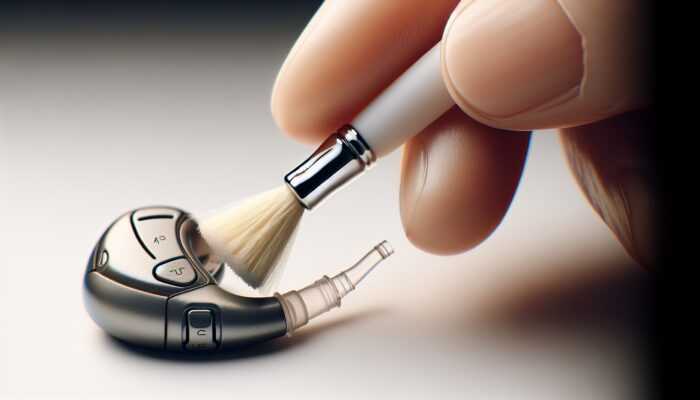
Categories
Uncategorised

Rechargeable Hearing Aids: Tips for Long-lasting Care

Daily Care Practices to Ensure Optimal Functionality of Your Hearing Aids

Proven Methods for Effectively Cleaning Your Hearing Aids

A soft brush cleaning earwax and debris from a modern hearing aid, ensuring clear sound.

Keeping your hearing aids clean is essential for their performance and longevity. Start your daily maintenance by using a soft brush to carefully remove any debris, dirt, or earwax that might accumulate on the devices. This routine prevents unwanted buildup and ensures that the microphones and speakers function optimally, maintaining sound quality and clarity. Modern hearing aids are intricately designed, and even the smallest particles can hinder sound transmission. Incorporating this cleaning practice into your morning or evening routine guarantees that your hearing aids remain in peak condition and ready for daily use.

Consider the environmental factors that may affect your hearing aids. For instance, individuals living in coastal areas may face challenges due to salt and moisture, while those in urban environments might contend with dust and pollution. Tailoring your cleaning regimen to suit these specific conditions can be highly beneficial. If your hearing aids are frequently exposed to moisture or humidity, increase the frequency of your cleaning schedule. Always refer to the manufacturer’s guidelines regarding appropriate cleaning products or tools, as the wrong materials could potentially damage your devices. While cleaning, take a moment to recognise the invaluable role these small devices play in connecting you to the rich sounds of life around you.

Why Regular Moisture Checks are Essential for Your Hearing Aids

Moisture can stealthily impair the functionality of your hearing aids, leading to internal damage that affects their performance. Checking your devices regularly for any signs of moisture is a crucial part of your daily maintenance routine. This is especially important for those living in hot, humid climates or participating in activities that may cause sweating. A simple visual inspection can be quite effective; look for signs of condensation in the battery compartment or around the microphones, as these could indicate moisture problems.

Implementing protective measures is equally important. Using a dehumidifier or moisture-absorbing packets specifically designed for hearing aids can significantly mitigate the risk of moisture damage. These tools are particularly useful during humid seasons or in regions with high humidity. If you suspect that moisture has impacted your hearing aids, allow them to dry completely before using them again. Keeping a drying kit readily available at home can be an invaluable resource for maintaining your hearing aids’ condition.

Best Practices for Storing Your Hearing Aids Safely

Properly storing your hearing aids when not in use is just as vital as the maintenance you provide. Always keep your devices in a dry, cool space to protect them from environmental hazards. Avoid leaving them in places like your car, where temperature fluctuations can adversely affect their components. Instead, consider using a dedicated storage case that protects against dirt, moisture, and physical impacts.

If you travel frequently, investing in a sturdy yet compact travel case can be extremely beneficial. This case will protect your hearing aids as you explore new environments, whether hiking through the Amazon rainforest or navigating bustling street markets in Morocco. Proper storage ensures that your hearing aids are functional and ready for any adventures life may bring.

Best Charging Practices for Your Hearing Aids

Using the Manufacturer’s Charger to Ensure Optimal Functionality

Utilising the correct charger is crucial for the effective operation of rechargeable hearing aids. Each device is specifically designed to work best with its designated charger, ensuring both safety and efficiency during charging. Using a third-party charger could lead to malfunctions or even irreparable damage to the internal battery. always keep the charger provided by the manufacturer within easy reach and make it your primary charging tool.

To optimise your charging experience, consider setting up a designated charging station in your home. This specific area can serve as a daily reminder to charge your hearing aids, making it an easy part of your routine. A small, organised space on your bedside table or desk keeps your charger and hearing aids together, helping you remember to charge them regularly and fostering consistent habits.

How to Prevent Overcharging Your Hearing Aids

While it may be tempting to leave your hearing aids plugged in overnight, overcharging can cause battery deterioration, ultimately shortening their lifespan. Instead, aim to establish a charging schedule that fits with your daily routine. Many modern hearing aids are designed to charge quickly, providing hours of use from just a brief charging period.

By monitoring your charging cycles closely, you can prevent potential issues while maximising the longevity of your devices. Some users find it helpful to set reminders on their smartphones to alert them when charging is complete, ensuring they disconnect promptly. This proactive approach is essential for anyone looking to maintain the optimal performance of their hearing aids.

Keeping Track of Battery Health for Your Hearing Aids

A person checks hearing aid battery health on a smartphone app, showing usage graph in a modern living room.

An important aspect of caring for your rechargeable hearing aids involves monitoring their battery health. Dedicate a few moments each day to check the battery indicator, which is often accessible via the hearing aid app or directly on the device. Being informed about battery levels can help you avoid unexpected surprises when you need to use your hearing aids.

Consider keeping a record of your battery usage patterns, noting how long the battery lasts under different conditions. For example, if you wear your hearing aids for extended periods during social interactions, track how this impacts battery life. This information can be invaluable when discussing performance with your hearing care professional, allowing for more informed decisions about your hearing aid use and maintenance.

Expert Handling and Usage Techniques for Hearing Aids

The Importance of Gentle Handling to Prevent Damage

Handling your hearing aids with care is vital to avoid physical damage. These sophisticated devices are quite delicate, and rough handling can easily lead to breakage. Always use gentle movements when inserting or removing them from your ears, being careful not to apply unnecessary pressure that could compromise their structure.

Exercise caution when cleaning your hearing aids or changing batteries. Handling small components can lead to accidents, so consider using a designated tray or a soft surface to work on. This way, if something slips, there is less chance of it hitting a hard surface and sustaining damage.

Strategies to Prevent Water Exposure for Your Hearing Aids

Water and electronic devices generally do not mix, and hearing aids are no exception. Keeping them away from water sources is crucial for their longevity. Even slight exposure to moisture can encourage mould growth or cause internal component damage, which can be costly to repair.

Reflect on the activities you engage in throughout the day. If you enjoy swimming or running in the rain, be mindful of how your hearing aids may react. Investing in waterproof cases or choosing hearing aids designed with water-resistant features can help protect against these risks. make it a habit to remove your hearing aids before showering or swimming to avoid accidental exposure.

Managing Feedback to Enhance Sound Quality

Feedback can be a frustrating issue for hearing aid users, often manifesting as a high-pitched whistling sound. To effectively manage feedback, it is essential to ensure a proper fit. Hearing aids must sit snugly in your ears to minimise sound leakage that can trigger feedback.

Regular adjustments may be necessary to maintain both comfort and prevent feedback issues. Schedule visits to your audiologist for periodic fitting adjustments and to discuss any changes in your hearing needs. This collaborative approach enhances sound quality and makes your overall hearing experience much more enjoyable.

The Crucial Role of Regular Cleaning and Maintenance

Incorporating regular cleaning into your routine goes beyond surface-level care; it is vital for ensuring that your hearing aids function at their best. The longevity of your devices hinges on a steadfast commitment to cleanliness, especially in removing earwax and debris that can accumulate within your hearing aids.

A soft brush can be your most valuable tool in this regard. Dedicating just a few minutes each day will help ensure that your hearing aids are free from obstructions that could impair sound quality. consider investing in specialised cleaning tools designed specifically for hearing aids, as they can assist in reaching challenging areas and ensuring thorough cleaning.

Seeking Expert Care for Your Hearing Aids

The Importance of Regular Check-ups with Hearing Care Professionals

Scheduling regular appointments with a hearing care professional is crucial for maintaining your hearing aids. Just as you would visit a dentist for routine check-ups to ensure oral health, your hearing aids deserve the same level of attention. These specialists can assess the functionality of your devices, making necessary adjustments to guarantee peak performance.

Many individuals may underestimate the significance of these check-ups, but neglect can lead to deteriorated sound quality and overall performance. A hearing care professional can provide valuable insights into how well your hearing aids are serving you and recommend improvements or upgrades when necessary, ensuring you continue to enjoy the best possible hearing experience.

The Advantages of Professional Cleaning for Your Hearing Aids

While daily cleaning is essential, certain buildups may require professional intervention for thorough removal. Over time, wax and debris can accumulate in hard-to-reach areas, potentially leading to performance issues. A professional cleaning session can effectively eliminate these stubborn particles, restoring your hearing aids to peak operational condition.

Consider professional cleaning as a spa day for your devices, allowing them to perform at their best. Many hearing care providers offer this service as part of routine maintenance, ensuring that your hearing aids remain in excellent condition and ready for use.

Keeping Firmware Updated for Enhanced Performance

Staying informed about firmware updates is essential for maintaining the latest features and performance enhancements for your hearing aids. Many manufacturers offer updates that improve functionality or address potential issues that may arise over time. Your audiologist can assist you in checking for updates, ensuring you benefit from the latest advancements in hearing technology.

Updating firmware can sometimes be as simple as connecting your hearing aids to a smartphone app or computer. Make it a regular practice to check for these updates, as they can significantly enhance your experience and overall satisfaction with your devices.

Understanding Environmental Factors Affecting Hearing Aids

Protecting Hearing Aids from Extreme Temperature Fluctuations

Extreme temperatures can negatively impact the performance and longevity of your hearing aids. Both excessive heat and cold can lead to battery malfunctions or even physical damage to components. For example, leaving your hearing aids in a hot car or exposing them to freezing conditions can cause serious harm.

When on the move, consider investing in an insulated case that can shield your hearing aids from temperature changes. This simple yet effective measure can be transformative for individuals living in regions with extreme climates, ensuring that your devices remain safe, functional, and reliable.

Managing Humidity to Safeguard Your Hearing Aids

Humidity is another environmental factor that can significantly affect the functionality of your hearing aids. Living in humid areas can lead to moisture buildup, creating conditions that encourage mould and bacteria growth. To combat this issue, consider using a specialised drying kit or a dehumidifier designed specifically for hearing aids.

Incorporating these tools into your routine can greatly extend the lifespan of your devices. Make it a habit to dry your hearing aids after any exposure to moisture or humidity, particularly following activities that may introduce excess moisture into them.

Protecting Hearing Aids from Dust and Environmental Pollutants

Dust and pollutants are often unavoidable in our environments, yet they can pose a significant threat to the performance of your hearing aids. Keeping your devices away from dusty areas and polluted environments can greatly enhance sound quality and clarity, ensuring a more enjoyable hearing experience.

To mitigate these risks, consider using protective covers when storing your hearing aids in environments prone to dust or debris. This simple yet effective step can prevent contamination and ensure that your devices remain in optimal working condition, ready for use at all times.

Implementing Proper Storage and Handling Techniques

Proper storage and careful handling of your hearing aids are crucial for protecting them from damage. When not in use, always place them in a protective case to shield them from dust, moisture, and physical impacts. This practice prolongs the lifespan of your devices and keeps them easily accessible for those moments when you need them most.

Make it a habit to handle your hearing aids gently. Before placing them in their case, ensure they are clean and dry. This attention to detail is vital for maintaining their functionality and performance, allowing you to enjoy the rich sounds of life without interruptions.

Troubleshooting Common Hearing Aid Issues

Effective Solutions for Connectivity Problems

Connectivity issues can be particularly frustrating, especially as reliance on Bluetooth technology in hearing aids increases. If you encounter connectivity problems, a simple restart of your devices can often resolve the issue.

Check that your hearing aids are correctly paired with your devices. Verify your smartphone or other Bluetooth-enabled devices to confirm that the connection is established. If issues persist, do not hesitate to consult your hearing care professional for further assistance and troubleshooting.

Strategies for Resolving Sound Distortion Problems

Sound distortion can significantly detract from your overall hearing experience, causing frustration and dissatisfaction. If you notice a change in sound quality, start by checking for any obstructions that could affect performance. Thorough cleaning of your hearing aids can often resolve this issue.

Consider whether your hearing aids are properly fitted. Misalignment can lead to sound distortion, so if you suspect this may be the case, seek a professional fitting. Achieving seamless sound quality is essential for your overall comfort and satisfaction.

Addressing Battery Drainage Concerns

If you find that your hearing aids are rapidly depleting their batteries, it’s crucial to evaluate your usage patterns and settings. Certain features may consume more power than necessary, so adjusting these settings can help extend battery life.

Consider lowering the volume or disabling specific features when your hearing aids are not in use. Keeping a close eye on battery health and usage empowers you to make adjustments that prolong the life of your devices and enhance your auditory experience.

Long-term Strategies for Effective Hearing Aid Care

The Importance of Regularly Replacing Ear Tips and Domes

Maintaining a proper fit is essential for the effectiveness of your hearing aids, and routinely replacing ear tips and domes is a crucial part of this process. Over time, these components can accumulate wax and debris, which can hinder sound quality and comfort.

As a general guideline, replace ear tips and domes every few months or as needed based on usage. This simple step ensures hygiene and guarantees a comfortable fit. Consult your hearing care professional for advice on selecting the right materials that cater to your individual needs and preferences, enhancing your overall hearing experience.

Updating Accessories for Optimal Hearing Aid Maintenance

Keeping your accessories, such as cleaning tools and protective cases, up to date is often an overlooked aspect of long-term care for hearing aids. Investing in high-quality tools allows you to maintain your hearing aids effectively, ensuring their longevity and performance.

Consider the environmental conditions where you live when selecting accessories. For example, if you reside in a humid area, opt for moisture-resistant cleaning tools and storage options. This attention to detail can significantly impact the durability and functionality of your devices, helping you achieve the best possible hearing experience.

Frequently Asked Questions Regarding Hearing Aids

How frequently should I clean my rechargeable hearing aids for optimal performance?

You should clean your hearing aids daily to remove debris and prevent buildup. Regular maintenance is vital for prolonging their lifespan and ensuring optimal performance.

Is it safe to use any charger for my hearing aids without risking damage?

No, always utilise the charger provided by the manufacturer. Third-party chargers may not be compatible and could potentially lead to device damage or malfunction.

What should I do if my hearing aids get wet?

If your hearing aids become wet, turn them off immediately and allow them to dry completely before using them again. Consider employing a drying kit for added safety and protection.

How can I effectively prevent feedback in my hearing aids?

Ensure that your hearing aids fit snugly in your ears to minimise sound leakage and feedback. Regular adjustments from your audiologist can also help achieve a better fit.

What is the recommended frequency for professional cleaning of my hearing aids?

Aim for professional cleaning every six months or as necessary, particularly if you notice performance issues that daily cleaning fails to address.

What is the best method for storing my hearing aids when not in use?

Store your hearing aids in a cool, dry place inside a protective case when they are not in use, ensuring you avoid areas with extreme temperatures.

How can I effectively monitor the battery life of my hearing aids?

Many hearing aids feature a battery indicator or connect to an app displaying battery life. Regularly check this feature to prevent unexpected battery drainage.

What actions should I take if I experience sound distortion in my hearing aids?

Check for any obstructions in your hearing aids and ensure they are fitted correctly. If issues persist, consult your hearing care professional for further evaluation and assistance.

How long can I expect the batteries in rechargeable hearing aids to last?

Rechargeable hearing aid batteries typically last between 10 to 20 hours, depending on usage patterns and settings. Regularly check the battery health indicator for timely updates.

Am I allowed to make adjustments to my hearing aids myself?

While minor adjustments like volume control can often be managed by the user, more significant changes should be performed by a hearing care professional to ensure optimal results and performance.

Discover more about us on X!

The post Rechargeable Hearing Aids: Essential Care Tips for Longevity appeared first on The Microsuction Ear Wax Removal Network.

Originally posted 2025-05-09 03:12:48.

The post Rechargeable Hearing Aids: Tips for Long-lasting Care appeared first on Healthcare Marketing Service.

Categories
Uncategorised

Hearing Aids Improve Speech Clarity and Communication Skills

Mastering the Fundamental Components of Speech Clarity

Identifying the Essential Elements of Speech Clarity

Speech clarity is a vital aspect of effective communication, emphasising the distinction and understandability of spoken language. It goes beyond merely perceiving sounds; it encompasses grasping the message being shared. Key factors that enhance the clarity of speech include articulation, appropriate intonation, and a distraction-free environment. For individuals with hearing impairments, the ability to make sense of these sounds can greatly influence their daily interactions and overall quality of life. Pursuing optimal speech clarity fosters smoother conversations, enriching both personal connections and professional relationships, and contributing to a more interconnected existence.

Understanding the Importance of Speech Clarity in Everyday Life

The importance of clear speech is significant across various aspects of life, affecting everything from personal relationships to workplace interactions. In social contexts, effective communication builds connections, reduces misunderstandings, and cultivates trust among individuals. For professionals, clarity in speech is essential for delivering impactful presentations, engaging in successful negotiations, and promoting teamwork, ultimately enhancing career opportunities. Articulate speech also boosts an individual’s confidence, making them feel more competent in diverse social situations. The ability to communicate clearly not only facilitates better emotional expression but also contributes to improved mental well-being, underscoring the extensive advantages of speech clarity.

Recognising and Addressing Barriers to Speech Clarity

Various challenges can hinder speech clarity, including background noise, hearing loss, and specific speech disorders. In bustling environments, such as restaurants or busy streets, overwhelming sounds can obscure crucial conversational elements, making it difficult to follow spoken dialogue. With millions affected by hearing loss globally, individuals may struggle with muffled auditory inputs and distorted speech, complicating communication efforts. speech disorders like stuttering or dysarthria can further impair clarity, resulting in frustration for both speakers and listeners. Recognising these challenges is the first step toward implementing effective solutions, such as the use of hearing aids, to enhance communication.

Effective Strategies for Improving Speech Clarity

A speech therapist guiding a client in a serene room with articulation diagrams and a hearing aid on a table.

Enhancing speech clarity can be accomplished through various techniques, including articulation exercises, breathing techniques, and structured speech therapy. Articulation exercises specifically address the accurate formation of sounds, significantly improving intelligibility. Breathing methods are crucial for managing the flow of speech, allowing individuals to articulate their thoughts with greater clarity and assurance. professional speech therapy provides customised guidance and exercises tailored to each individual’s unique challenges, empowering them to overcome barriers. When combined with modern technology, such as hearing aids, these strategies can substantially enhance communication effectiveness and clarity.

How Technology Is Revolutionising Speech Clarity

Technological advancements have profoundly transformed the approach to enhancing speech clarity. State-of-the-art hearing aids now feature sophisticated functionalities that improve sound quality, ensuring that conversations remain intelligible even in distracting settings. Tools like speech-to-text software and noise-cancellation technologies enable users to engage fully in discussions, effectively bridging the communication gap caused by hearing impairments or environmental noise. With these innovations, individuals can enjoy a richer auditory experience, enhancing their ability to connect with others and participate meaningfully in both social and professional environments.

Understanding the Functionality of Hearing Aids

Exploring How Hearing Aids Operate

A close-up of a hearing aid capturing and amplifying sound waves for a person's ear.

Hearing aids serve as essential tools for individuals experiencing hearing loss, as they amplify sound to facilitate better comprehension of auditory information. Their primary function involves capturing sound through built-in microphones, converting it into digital signals, and amplifying these signals for delivery to the ear. This amplification process enables users to perceive sounds that may have previously been inaudible, fostering a clearer understanding of speech and enriching their overall auditory experience. The effectiveness of hearing aids can vary based on individual needs and the extent of hearing loss, yet they remain vital instruments for enhancing quality of life.

Exploring Various Types of Hearing Aids to Suit Different Needs

A diverse range of hearing aid models is available, each specifically designed with unique features to meet different user needs and preferences. Behind-the-ear (BTE) models are widely appreciated for their user-friendly design and adaptability. In-the-ear (ITE) aids are custom-fitted, providing a more discreet option, while completely-in-canal (CIC) hearing aids, though less visible, offer a more natural auditory experience. Each type presents its own advantages and disadvantages, allowing users to choose based on comfort, visibility, and amplification needs. Understanding these options is essential for individuals seeking to effectively and comfortably enhance their speech clarity.

The Influence of Technology on Modern Hearing Aids

Contemporary hearing aids utilise digital signal processing technology to significantly improve sound quality and speech clarity. This advanced technology enables precise adjustments based on each user’s unique hearing profile, optimising the amplification of speech frequencies while minimising background noise. Many modern devices include advanced features such as feedback suppression, which eliminates annoying whistling sounds, and automatic adjustments that respond to changing environmental conditions. As hearing aid technology continues to evolve, users benefit from ongoing enhancements that enrich their auditory experiences, making communication more effective and enjoyable.

Optimising Speech Clarity with Hearing Aids

Understanding the Advantages of Noise Reduction Features

Noise reduction is a pivotal feature in modern hearing aids, specifically designed to filter out unwanted background noise while amplifying speech clarity. Through advanced algorithms, these devices can distinguish between speech and ambient sounds, enabling users to focus on conversations without distractions. This capability is particularly beneficial in noisy environments, such as bustling cafés or crowded workplaces, where background chatter can obscure vital verbal nuances. The ability to prioritise essential sounds paves the way for more meaningful and engaging interactions, empowering users to confidently participate in social situations.

Improving Conversations with Directional Microphones

Directional microphones are another innovative feature that significantly enhances speech clarity in hearing aids. These microphones are designed to focus on sounds coming from specific directions, typically from the front, allowing users to concentrate on conversations even in lively settings. By reducing sounds from other directions, users can effectively isolate dialogue, making it easier to comprehend what is being communicated without excessive effort. This technology greatly enhances the overall user experience, particularly in social gatherings or meetings, where multiple conversations may occur simultaneously. For individuals aiming to improve their communication skills, the introduction of directional microphones is truly transformative.

Leveraging Frequency Compression for Enhanced Understanding

Frequency compression technology is crucial for improving speech comprehension, especially for individuals experiencing high-frequency hearing loss. It works by compressing high-frequency sounds into lower frequencies that users can hear more effectively. This modification preserves important speech cues, such as consonants, which are essential for language comprehension. By adjusting sound to a more accessible range, frequency compression empowers individuals to engage more fully in conversations and interactions, thereby enhancing their overall communication abilities. This technology exemplifies how hearing aids can be precisely customised to meet specific auditory needs.

The Multifaceted Advantages of Improved Speech Clarity

Enhancing Social Connections Through Clear Communication

Improved speech clarity can significantly transform social interactions, enabling individuals to communicate more effectively and confidently. Clearer speech reduces the risk of misunderstandings and encourages genuine conversations, fostering deeper connections among friends, family, and colleagues. In various social settings, from casual outings to formal events, the ability to articulate thoughts and respond clearly contributes to more enjoyable and fulfilling interactions. As relationships flourish through enhanced communication, individuals experience a greater sense of belonging and emotional well-being, highlighting the profound impact of how hearing aids enhance speech clarity.

Enhancing Professional Success Through Clear Speech

In a professional environment, enhanced speech clarity can lead to increased productivity and greater self-assurance. Clear communication is crucial for effective collaboration, impactful presentations, and successful negotiations, where misunderstandings can result in costly errors. The ability to express ideas and engage in discussions with clarity not only enhances job performance but also opens doors to career advancement opportunities. Employers benefit as well; teams made up of members who communicate effectively tend to demonstrate greater cohesion and creativity. investing in technologies that improve speech clarity, such as hearing aids, is a prudent choice for both individuals and organisations aspiring to succeed.

Supporting Emotional Well-being Through Effective Communication

The link between communication and emotional well-being is undeniable. When individuals can articulate their thoughts clearly and understand others without barriers, it fosters a sense of empowerment and alleviates feelings of isolation. Enhanced speech clarity through hearing aids reduces frustration in social situations, allowing users to engage more comfortably and freely. This improved communication capability supports positive mental health, nurturing relationships that are essential for emotional support and resilience. the benefits of enhanced speech clarity extend far beyond practical communication, significantly enriching the emotional lives of individuals.

Adjusting to Life with Hearing Aids

Navigating the Initial Adjustment Period

Adjusting to hearing aids signifies a substantial transition that requires patience and time. Many users face an initial adaptation period where they must become accustomed to the new sounds and sensations provided by their hearing aids. It is common to feel overwhelmed by a surge of auditory information, ranging from subtle environmental sounds to the full range of conversations. This adjustment phase can vary from a few days to several weeks, influenced by personal experiences and the extent of hearing loss. Approaching this period with an open mind is crucial for maximising the benefits of enhanced speech clarity.

Customisation and Fine-tuning by Professionals

Professional adjustments and fine-tuning are essential steps in optimising hearing aids to cater to individual needs. Audiologists play a critical role in this process, customising settings based on the user’s specific hearing profile and lifestyle. Fine-tuning may involve modifying sound levels, frequency responses, and noise reduction features to ensure optimal clarity across various environments. This customisation is vital for maximising the effectiveness of hearing aids, as it allows users to experience tailored solutions that address their unique auditory challenges. Regular follow-ups with audiologists can further enhance hearing aid performance over time, ensuring lasting satisfaction.

Ensuring Continuous Support and Maintenance for Hearing Aids

Regular check-ups and maintenance are crucial for ensuring that hearing aids continue to function effectively. Users should arrange periodic appointments with audiologists to assess the performance of their devices and make any necessary adjustments. Maintenance tasks may include cleaning, battery replacements, and software updates to improve performance and longevity. By prioritising these ongoing support measures, users can enjoy consistent speech clarity and an enhanced auditory experience, minimising the likelihood of frustration or communication barriers over time.

Strategies for Adapting to Varied Environments

Learning to effectively use hearing aids in different settings is essential for maximising their benefits. Users should develop adaptation strategies, such as choosing optimal seating arrangements in noisy restaurants or employing assistive listening devices in larger venues. Familiarising oneself with various listening environments can build confidence in engaging in conversations. techniques like focusing on the speaker’s lips during discussions can further enhance sound clarity in challenging contexts. Mastering these strategies can significantly improve overall satisfaction with hearing aids and the communication experiences they facilitate.

Addressing Psychological Adjustments and Counselling Needs

The psychological aspects of hearing loss can present challenges for many users, making emotional support and counselling vital to the adjustment process. Coping with hearing loss may evoke feelings of frustration, isolation, and anxiety, adversely affecting an individual’s mental health. Seeking assistance from professionals who specialise in auditory-related psychological issues can provide valuable coping strategies and support systems. Counselling can empower users to view their hearing aids as tools for connection rather than limitations. This holistic approach to adjustment not only enhances speech clarity but also fosters resilience and emotional health.

Innovations in Hearing Aid Technology

The Groundbreaking Integration of Artificial Intelligence

The incorporation of artificial intelligence (AI) into hearing aids marks a significant advancement in enhancing speech clarity. AI technology allows hearing aids to analyse sound environments in real-time, automatically adjusting settings to optimise clarity based on surrounding noise levels and types of sounds. This capability greatly enhances the user experience, simplifying navigation through different auditory environments, from quiet meetings to lively social gatherings. As AI technology continues to evolve, the potential for further innovations in hearing aids holds the promise of even greater improvements in communication effectiveness and user satisfaction.

Wireless Connectivity for Effortless Communication

Wireless connectivity in hearing aids enables seamless integration with smartphones and other devices, enhancing speech clarity through direct streaming capabilities. This feature facilitates clear communication during phone calls, video conferences, and audio streaming, offering users a more immersive auditory experience. By connecting to various devices, hearing aids can automatically adjust settings according to context, further improving clarity in conversations. This level of connectivity empowers users to engage with modern communication methods without the barriers that traditional hearing aids may impose, significantly enhancing their social interactions and daily experiences.

Future Trends in Hearing Aid Technology

Continuous research in hearing aid technology suggests promising innovations aimed at improving speech clarity. Emerging trends include the development of smaller, more discreet devices equipped with advanced functionalities, such as enhanced noise-cancellation and improved sound processing algorithms. Innovations in battery technology may also lead to longer-lasting devices with quicker charging capabilities. As these advancements unfold, they will further empower individuals with hearing loss, allowing them to enjoy clearer communication and richer auditory experiences, thus transforming their interactions with the world.

Guidelines for Choosing the Right Hearing Aid

Evaluating Personal Needs for Optimal Hearing Aid Selection

Selecting the appropriate hearing aid begins with a thorough assessment of individual needs. Audiologists evaluate the severity of hearing loss, lifestyle preferences, and personal objectives to recommend the most suitable hearing aid model. This tailored approach ensures that users receive devices aligned with their unique auditory requirements, maximising the potential for improved speech clarity. Factors such as budget, desired features, and aesthetic preferences also play a significant role in the decision-making process. By understanding their specific needs, users can make informed choices that lead to more effective communication solutions and overall satisfaction.

The Importance of Trial Periods and Demonstrations

Trial periods and demonstrations are vital components of the hearing aid selection process. Many audiologists offer opportunities for users to try out different models, allowing them to experience firsthand how each device enhances speech clarity in real-world situations. This practical approach helps users assess their comfort levels, evaluate sound quality, and determine which features best suit their lifestyles. Engaging in trial periods empowers individuals to make confident decisions, ensuring they choose hearing aids that genuinely meet their needs and preferences for optimal communication.

Understanding Costs and Insurance Considerations in Hearing Aid Selection

Gaining a clear understanding of the costs associated with hearing aids is essential for prospective users. Prices can vary significantly based on the features, technology, and brand of the device. insurance coverage for hearing aids can differ greatly, with some plans offering partial reimbursement while others may not cover expenses at all. Individuals should explore their insurance options and consider financial assistance programmes when budgeting for hearing aids. By being well-informed about costs and insurance considerations, users can navigate the financial landscape more effectively, ensuring access to the best solutions for their hearing needs.

Common Inquiries Regarding Hearing Aids

What are the key advantages of using hearing aids?

Hearing aids primarily enhance speech clarity, improve social interactions, boost confidence in professional environments, and contribute to overall emotional well-being. They make communication more accessible, significantly enriching the user’s quality of life and social engagement.

In what way do hearing aids improve speech clarity?

Hearing aids enhance speech clarity by amplifying sound, minimising background noise, and incorporating features such as directional microphones and frequency compression, allowing users to focus on conversations even in challenging auditory environments.

Do all hearing aids come with the same features?

No, hearing aids vary significantly in features based on models and brands. Some may include advanced options like noise reduction, wireless connectivity, and artificial intelligence integration, while others may focus primarily on basic amplification functionalities.

How long does it typically take to adjust to wearing hearing aids?

The adjustment period differs among individuals but typically ranges from a few days to several weeks. Users may initially experience an overwhelming sensation as they adjust to new sounds and auditory information.

Can hearing aids assist with background noise?

Yes, many modern hearing aids incorporate noise reduction features that help filter out background noise, allowing users to focus more effectively on speech and important sounds in their surroundings.

What factors should I take into account when choosing a hearing aid?

Consider factors such as the severity of hearing loss, lifestyle preferences, comfort, desired features, and budget. Consulting with an audiologist can provide valuable insights tailored to individual needs, ensuring the best choice of hearing aids.

Are hearing aids covered by insurance?

Coverage for hearing aids varies widely among insurance plans. Some may offer partial reimbursement, while others may not provide coverage at all. It is essential to verify with your provider for specific coverage details.

What advancements are being made in hearing aid technology?

Recent advancements include the integration of artificial intelligence, improved noise cancellation, and enhanced wireless connectivity, all aimed at enhancing user experience and speech clarity in diverse environments.

How often should I have my hearing aids checked?

Regular check-ups are recommended every six months to maintain optimal functionality. This includes cleaning, maintenance checks, and potential adjustments to accommodate any changes in hearing needs.

Can I wear my hearing aids while exercising?

Yes, many hearing aids are designed to withstand sweat and moisture. it is advisable to consult with your audiologist regarding specific models that are best suited for active lifestyles and physical activities.

Follow our journey on X!

The post Hearing Aids Enhance Communication and Speech Clarity appeared first on The Microsuction Ear Wax Removal Network.

Originally posted 2025-05-08 03:12:21.

The post Hearing Aids Improve Speech Clarity and Communication Skills appeared first on Healthcare Marketing Service.

Categories
Uncategorised

Hearing Aids: Your Essential Guide to Enjoying TV

Last Updated on 04/05/2025 by Admin

Enhance Your Television Viewing Experience with Hearing Aids

To fully enjoy television while using hearing aids, it is crucial to comprehend how different hearing aids interact with various television audio systems. Not all hearing aids provide the same connectivity options, making it essential to select a model that suits your viewing preferences and lifestyle. Currently, the market offers a wide array of hearing aid types, including behind-the-ear (BTE) models, known for their extensive features, and in-the-ear (ITE) styles that provide a more discreet alternative. Each type has its own strengths and weaknesses regarding connecting to television audio, underscoring the importance of choosing a model that aligns with your personal needs and daily routines.

Understanding the Varied Types of Hearing Aids

Becoming familiar with the different categories of hearing aids can significantly enhance your television viewing experience. Behind-the-ear (BTE) hearing aids tend to be the most versatile, featuring ample space for advanced technology that improves audio clarity. They typically connect effortlessly to television audio systems through Bluetooth or telecoil connections, enabling you to enjoy crisp sound directly from your television, free from external noise distractions. In contrast, in-the-ear (ITE) models fit snugly within the ear canal, and while they often come with Bluetooth capabilities, their size can sometimes compromise audio quality, particularly regarding clarity.

For those who wish to combine both options, receiver-in-canal (RIC) hearing aids present an ideal blend, offering excellent sound quality while maintaining a discreet profile. When aiming to enhance your TV experience with hearing aids, it is vital to select a model that is compatible with your television’s audio output system to guarantee optimal performance.

Identifying Audio Output Options for Hearing Aids

Understanding the various audio output options is vital for ensuring that hearing aids effectively communicate with your television. Many modern hearing aids come equipped with Bluetooth technology, allowing seamless audio streaming directly from your TV. This capability enables viewers to immerse themselves in their favourite programmes without the distraction of surrounding noise, significantly enhancing the overall viewing experience.

Another option worth exploring is telecoils, which capture electromagnetic signals from the television and transmit them directly into your hearing aids. direct audio input (DAI) cables can provide a traditional and reliable connection from your hearing aids to the TV’s audio output. Understanding these various audio output options empowers users to create a viewing environment tailored to their specific needs and preferences, ensuring an enjoyable experience every time they sit down to watch television.

Customising Hearing Aid Settings for Optimal TV Viewing

The ability to customise settings within hearing aids can greatly enhance your television watching experience. Many users can adjust settings to amplify specific frequencies, making dialogue clearer while simultaneously reducing background noise. Volume control is critical in this regard, as the ability to fine-tune audio levels can dramatically improve your overall enjoyment while viewing.

Certain hearing aids also offer the opportunity for sound equalization, enabling users to tailor the audio profile according to their personal preferences. Whether you prefer a bass-heavy sound for action-packed films or a more balanced tone for insightful documentaries, these customisation features cater to diverse listening needs. By learning how to optimise these settings, you can transform your television watching into a personalised and immersive experience.

Enhancing Audio Quality for Hearing Aid Users While Watching Television

Audio quality during television viewing is paramount for hearing aid users, and numerous innovative solutions can significantly improve this experience. Exploring options such as soundbars, wireless headphones, and adjusting your television’s audio settings can dramatically enhance how sound is perceived, making your television time much more enjoyable.

Improving Sound with Soundbars

Soundbars can be an excellent addition for enhancing television audio quality, especially for those who wear hearing aids. They are designed to deliver clearer and more balanced sound profiles, which is particularly beneficial for dialogue-heavy content, such as news broadcasts or films. When choosing a soundbar, ensure it supports Bluetooth connectivity, allowing direct connection to your hearing aids for a seamless audio experience.

Many soundbars are equipped with technology specifically aimed at improving speech intelligibility, a crucial feature for hearing aid users. This technology effectively filters out distracting background noise while emphasising dialogue, ensuring that you do not miss any important lines during your favourite shows or films.

Enhancing Your Experience with Wireless Headphones

Wireless headphones can serve as another excellent option for enriching your television viewing experience. These devices can connect to both televisions and hearing aids, allowing for a customised sound experience that does not disturb others in the same room. Numerous headphone models feature adjustable sound profiles, enabling users to modify audio settings based on the type of content, whether it’s an engaging documentary, an exciting film, or a thrilling live sports event.

Selecting headphones with noise cancellation capabilities can further enhance audio clarity by minimising distractions from household noises. By effectively integrating technology, wireless headphones provide a close and personal auditory experience that can transform your television viewing sessions into a delightful escape.

Optimising Television Audio Settings for Enhanced Clarity

Adjusting your television’s audio settings can significantly improve the experience for hearing aid users. Modern televisions come equipped with a variety of features, including speech enhancement and surround sound settings. Speech enhancement technology is designed to amplify dialogue frequencies while suppressing background noise, effectively making conversations more understandable.

On the other hand, surround sound settings can create a more immersive listening environment. It is essential to confirm that these settings are compatible with your hearing aids. Some users may find that simpler audio modes, such as stereo, provide a more straightforward sound that is easier to comprehend. Experimenting with these various audio settings can lead to a more enriching and satisfying viewing experience.

Choosing the Perfect Television for Hearing Aid Users

When selecting a television that caters to the needs of hearing aid users, several factors must be taken into account. From advanced audio technologies to critical accessibility features, understanding what to prioritise can significantly enhance your viewing experience.

Selecting TVs Equipped with Advanced Audio Technology

Choosing a television that features advanced audio technology, such as Dolby Atmos, can greatly enhance the viewing experience for those using hearing aids. Dolby Atmos creates a three-dimensional sound environment, enabling listeners to perceive where sounds originate, adding depth to the audio experience. This improved sound quality is particularly beneficial when watching action films or engaging shows.

Investing in a television that supports high-definition audio formats is crucial to ensure that sound quality remains uncompromised. This aspect is especially important for individuals who rely on hearing aids, as the clarity of audio can significantly impact their enjoyment and comprehension of the content presented.

Essential Accessibility Features for Improved Viewing

Accessibility features play a vital role in enhancing the viewing experience for hearing aid users. Options such as closed captions and audio descriptions serve as invaluable tools that allow users to engage more fully with content. Closed captions provide a text representation of the dialogue, which can be immensely helpful for individuals who may struggle with audio clarity.

Many modern televisions now include built-in audio description services, narrating scenes and actions for viewers. This feature aids hearing aid users in grasping the context of a scene, enriching their viewing experience and making it more enjoyable overall.

Evaluating Screen Size and Optimal Placement

The screen size and placement of your television can also significantly impact sound quality and the effectiveness of hearing aids. Larger screens positioned at appropriate angles can promote better sound dispersion, ensuring that users do not miss any crucial audio cues. placing the television at a level where sound can travel evenly throughout the room can enhance audio clarity and overall quality.

Room acoustics play a critical role as well; spaces with hard surfaces may amplify echoes and distort sound. incorporating softer materials like rugs and curtains can create a more conducive environment for sound reproduction, significantly benefiting those who rely on hearing aids.

Maintaining Optimal Hearing Aid Performance

To fully enjoy your television time, consistently maintaining the performance of your hearing aids is essential. Regular cleaning, effective battery management, and professional check-ups are critical practices to ensure optimal functionality and sound quality.

The Significance of Regular Cleaning

Keeping hearing aids clean is vital for their effectiveness, especially for users who depend on them during television viewing. The accumulation of dust, moisture, and earwax can obstruct sound clarity and disrupt overall performance. Utilise a soft brush or a specialised cleaning kit to carefully remove any debris that may have built up on your devices.

Consulting your audiologist for tailored recommendations on cleaning techniques specific to your hearing aid model is wise. Regular maintenance not only prolongs the lifespan of your devices but also enhances the quality of sound they deliver, leading to a more enjoyable television viewing experience.

Strategies for Effective Battery Management

Proper management of hearing aid batteries is crucial to avoid interruptions during your TV watching sessions. One effective strategy is to monitor battery life closely and establish a charging routine or maintain a stock of backup batteries. Many modern hearing aids come with rechargeable batteries, offering a more convenient option and alleviating concerns about sudden power loss.

Investing in a hearing aid dehumidifier is a smart choice, as moisture can negatively impact battery performance. Storing batteries in a cool, dry environment can significantly extend their lifespan, ensuring that you can enjoy uninterrupted content on your television.

The Importance of Professional Check-ups

Regular professional check-ups are essential for ensuring your hearing aids function properly. Audiologists can identify potential issues or necessary adjustments that can enhance performance, particularly regarding TV viewing. These experts can also help fine-tune settings to suit specific environments, ultimately improving clarity and sound quality.

Scheduling routine visits ensures that your hearing aids are well-calibrated and functioning at their best. This proactive approach is key to maximising your enjoyment of television shows, movies, and other media.

Overcoming Common Challenges in Television Viewing

Despite advancements in hearing aid technology, users may still face challenges while watching television. Issues like background noise, sound distortion, and discomfort can detract from the experience. effective strategies exist to overcome these obstacles.

Reducing Background Noise for Enhanced Clarity

Background noise often presents a challenge for hearing aid users, particularly when trying to watch television in a lively environment. One effective strategy to mitigate this distraction is to establish a designated viewing area that is free from excessive ambient sounds. Whenever possible, utilise curtains or furniture to absorb sound reflections, creating a quieter atmosphere conducive to focused viewing.

Smart sound technology in hearing aids can assist in filtering out background noise, honing in on the auditory signals emanating from the television. Collaborating with audiologists can help users identify the most suitable settings tailored to their specific environments, enhancing overall audio clarity during viewing.

Addressing Sound Distortion Issues

Experiencing sound distortion while using hearing aids with televisions can be frustrating, but fortunately, these issues can often be resolved. The first step is to ensure that the audio output settings on your television are compatible with your hearing aids. Adjusting the equalisation settings can help eliminate muffled or unclear sounds that may hinder your viewing experience.

If sound distortion continues to be problematic, it is advisable to consult your audiologist to review the settings on your hearing aids. They may recommend specific adjustments or even suggest upgrading to a newer model designed to better manage complex audio signals, ensuring a more enjoyable and pleasant viewing experience overall.

Ensuring Comfort and Proper Fit

Comfort during extended television viewing sessions is vital, especially for individuals wearing hearing aids. Users should ensure that their devices fit properly, as an ill-fitting hearing aid can lead to discomfort and irritation. Regularly checking the fit and making necessary adjustments or consulting a professional for re-fitting is essential for optimal comfort.

Taking breaks during prolonged viewing sessions can alleviate discomfort. Engaging in alternative activities—such as going for a walk or listening to music—during these breaks can refresh both your mind and ears, thereby enhancing your overall enjoyment of television.

Enhancing the Overall Viewing Experience

To elevate the television watching experience for hearing aid users, consider integrating various aids, including subtitles, audio descriptions, and interactive features. These enhancements can transform typical viewing into a captivating and immersive experience.

Incorporating Subtitles and Captions

Utilising subtitles and closed captions is an effective way to enhance the experience of hearing aid users while watching television. These tools provide a visual representation of audio, allowing users to follow dialogue and sound effects more accurately. They are especially useful during fast-paced scenes or when characters speak softly, ensuring that critical plot points are not missed.

Most modern televisions offer customizable caption settings, allowing users to adjust font size, colour, and background for improved visibility. This personalisation ensures that you won’t overlook any significant dialogue or plot twists, significantly enriching your overall television viewing experience.

Leveraging Audio Description Services

Audio description services present an incredible opportunity for hearing aid users to grasp context that might otherwise be missed. This service provides an audio track that narrates essential visual elements, including actions, settings, and character expressions.

By utilising audio descriptions, viewers can acquire a deeper understanding of the storyline, enriching their connection with the content. Familiarising yourself with the audio description settings available on your television can help you maximise this feature and enhance your overall engagement with the material.

Making Use of Interactive Features

Interactive features available on many modern televisions empower viewers to pause, rewind, or replay scenes, which can be particularly beneficial for hearing aid users. These options allow individuals to revisit dialogue moments that may have been unclear, ensuring complete comprehension of the content.

Utilising these features provides users with greater control over their viewing experience. If a character’s dialogue is difficult to understand, rewinding a few seconds can provide the clarity needed, avoiding the frustration of missing vital information.

Customising Audio Settings for Individual Preferences

Customisable audio settings can greatly enhance the overall experience for individuals using hearing aids. Many televisions allow users to adjust treble, bass, and balance, enabling them to tailor sound to their specific preferences. Engaging with these settings can create a sound profile that aligns with personal tastes while accommodating hearing aid specifications.

Experimenting with these settings while watching different genres can yield significant improvements. Some viewers may prefer a richer bass for music performances, while others might benefit from enhanced treble for documentaries. Discovering the ideal balance can truly elevate your television viewing experience to new heights.

Incorporating Visual Aids and Sign Language

To create a more inclusive viewing experience, integrating visual aids and sign language options can be incredibly beneficial. Many programmes offer sign language interpretation, providing an alternative way for hearing aid users to follow the content effectively.

Visual aids, such as on-screen graphics or animations, can help illustrate complex ideas or scenarios. By utilising these tools, viewers can enjoy a more fulfilling engagement with the content, ensuring they do not miss out on nuances that audio alone may not convey.

Building Community and Finding Support

Connecting with a community of fellow hearing aid users can significantly enhance your television viewing experience. Whether through online forums, local groups, or educational workshops, sharing experiences and strategies can provide invaluable insights and support.

Engaging in Online Communities

Joining online forums dedicated to hearing aid users can be transformative. These communities offer a platform for sharing experiences, tips, and advice on enhancing your TV viewing experience with hearing aids. Members can discuss various audio options, recommend devices, or share personal strategies for improving audio clarity.

Active participation in these forums can lead to discovering new technologies or services that may enhance your television watching experience. By exchanging information with a diverse group, you may uncover innovative solutions to common challenges faced by hearing aid users.

Participating in Support Networks

Engaging in local or virtual support groups can foster a sense of belonging and understanding among hearing aid users. These groups often focus on discussing challenges and sharing solutions specific to the needs of hearing aid users.

Interacting with peers can yield valuable tips on enjoying television more effectively, while also promoting a supportive atmosphere where users can share both frustrations and successes. This shared journey can enhance the overall experience and provide a network of understanding friends.

Seeking Guidance from Professionals

Consulting with professionals can offer tailored solutions for optimising hearing aids for television use. Audiologists and hearing specialists can provide insights into the latest technologies and adjustments that can enhance sound quality, ensuring users can fully enjoy all forms of media.

Regular consultations can also keep users informed about advancements in hearing aid technology, providing solutions that further improve their viewing experience and overall satisfaction.

Attending Educational Workshops

Participating in workshops focused on maximising hearing aid use with televisions can provide valuable hands-on learning experiences. These sessions often feature expert advice on enhancing the viewing experience, ensuring participants leave with actionable tips and knowledge.

Workshops also facilitate connections with fellow hearing aid users, creating a supportive network where experiences are shared and solutions are explored. These educational opportunities can be invaluable in navigating the complexities of television viewing alongside hearing aids.

Frequently Asked Questions

Can I connect my hearing aids to my television?

Absolutely! Many modern hearing aids feature Bluetooth technology, allowing for direct connectivity to your television for a seamless audio experience.

What types of hearing aids are best suited for watching television?

Typically, behind-the-ear (BTE) and receiver-in-canal (RIC) hearing aids are the most effective options for television viewing due to their advanced features and superior sound quality.

How can I enhance sound clarity on my TV with hearing aids?

Utilising soundbars, adjusting your television’s audio settings, and ensuring a proper fit for your hearing aids can significantly improve sound clarity while watching TV.

Are there specific television features designed for hearing aid users?

Yes, look for features like closed captions, audio descriptions, and speech enhancement technologies that improve accessibility for hearing aid users.

What steps should I take if I experience sound distortion with my hearing aids?

First, check the audio output settings on your television. If issues persist, consult with an audiologist to confirm your hearing aids are calibrated correctly.

How frequently should I clean my hearing aids?

Regular cleaning is crucial; aim to clean your hearing aids at least once a week to maintain optimal performance.

What are the best practices for managing hearing aid batteries?

Keep track of battery life, consider investing in a hearing aid dehumidifier, and think about using rechargeable models to minimise interruptions while watching television.

How can I effectively use subtitles while watching TV?

Most modern televisions allow customisation of subtitle settings, so adjust font size and colour to ensure visibility and enhance your viewing experience.

Are there support groups available for hearing aid users?

Indeed, many local and online support groups exist, connecting users and providing a space to share challenges and solutions related to hearing aid use.

What resources can I access for learning about hearing aids and TV use?

Look for workshops, online forums, and professional consultations to gain insights and practical tips on optimising your hearing aids for an improved TV experience.

Join us on our journey on X!

The post Enjoy TV with Hearing Aids: Your Essential Guide appeared first on The Microsuction Ear Wax Removal Network.

Originally posted 2025-05-05 03:12:22.

The post Hearing Aids: Your Essential Guide to Enjoying TV appeared first on Healthcare Marketing Service.